
Farm Biosecurity: 7 Simple Steps to Protect Your Livestock
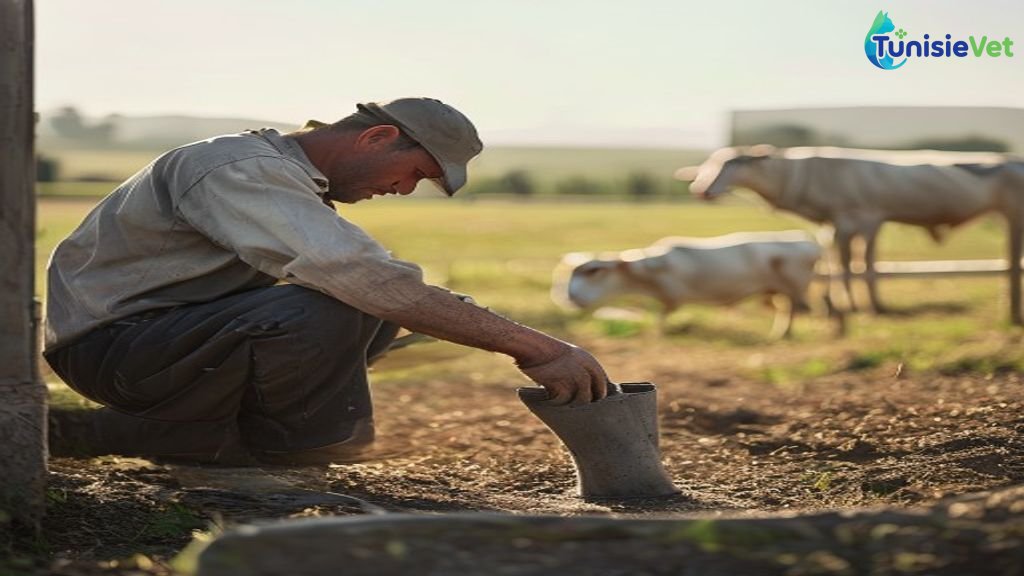
Farm biosecurity covers all the simple measures that prevent diseases from entering and spreading on a farm. Whether you raise cattle, sheep, goats or poultry, protecting your livestock doesn't necessarily require big investments: it mainly comes down to adopting rigorous, consistent habits. These steps, often overlooked for lack of time, are actually the first line of defense against outbreaks that can wipe out a herd within weeks.
Why biosecurity is the foundation of disease prevention on the farm
Disease prevention on the farm rests on one simple principle: it's always better to keep a pathogen out than to fight it once it has taken hold. Viruses, bacteria and parasites can be carried in by newly introduced animals, but also by visitors, vehicles, equipment, rodents or even footwear. A farm that neglects these entry points exposes itself to significant economic losses, lower productivity, and costly, sometimes ineffective treatments once disease has set in.
Quarantine: an essential step for every new animal
Every animal arriving on the farm, whether purchased, borrowed or returning from a show or market, should be isolated before joining the rest of the herd.
- Set up a separate pen or building, ideally away from other animals and with its own ventilation.
- Watch the animal closely for a sufficient period to spot any signs of illness (fever, coughing, diarrhea, lameness, loss of appetite).
- Attend to quarantined animals last, after caring for the rest of the herd, to avoid carrying germs between groups.
- Use dedicated equipment (buckets, brushes, tools) for this isolation area.
The same principle applies to sick animals, which should be isolated as soon as the first symptoms appear, in order to limit contamination of the rest of the herd.
Housing and equipment hygiene: a pillar of biosecurity
A clean environment greatly limits the survival and spread of pathogens.
Regular cleaning and disinfection
- Clean bedding areas, feeders and waterers on a daily basis.
- Regularly remove manure and soiled bedding to limit moisture buildup and germ growth.
- Disinfect equipment after each use, especially when it is shared between several groups of animals.
Water and feed management
- Provide clean, fresh water at all times, cleaning waterers regularly.
- Store feed away from moisture and pests to prevent contamination and mold growth.
- Avoid any contact between feed and droppings or manure.
Pest control
Rodents, wild birds and insects can carry diseases from one farm to another. Restricting their access to buildings, securing feed storage and keeping the farm's surroundings clean greatly reduces this risk.
Controlling farm traffic to better protect your livestock
Visitors, delivery workers and even the farmer themselves can unintentionally carry pathogens from one farm to another.
- Restrict farm access to people who genuinely need to be there.
- Provide dedicated boots or shoe covers for use on the farm, along with a handwashing station or disinfectant solution at the entrance.
- Prevent outside vehicles (deliveries, animal transport) from driving directly into livestock areas.
- Change clothes or wear a clean, farm-dedicated outfit if you visit other farms.
These simple steps, applied consistently, greatly reduce the risk of introducing contagious diseases.
Daily monitoring: catch problems early to act fast
Biosecurity isn't limited to occasional preventive measures: it also requires close, regular observation of the herd.
- Check the behavior, appetite and overall condition of the animals every day.
- Note any unusual changes (drop in production, lethargy, coughing, diarrhea) so you can react quickly.
- Keep a simple log of treatments, vaccinations and health events on the farm.
As soon as there's any doubt about an animal's health, it's essential to consult a professional quickly. A veterinarian specialized in livestock can provide a reliable diagnosis, tailor biosecurity measures to your farm, and guide you through a customized prevention plan.
What are the first biosecurity steps to put in place on a small farm?
For a small farm, start by quarantining every new animal, cleaning living and feeding areas regularly, and limiting access for outside visitors. These three simple, low-cost steps already provide a solid foundation for effectively protecting your livestock.
Leave a comment
Be the first to comment on this article.