
Farm Biosecurity: Essential Steps to Protect Your Livestock
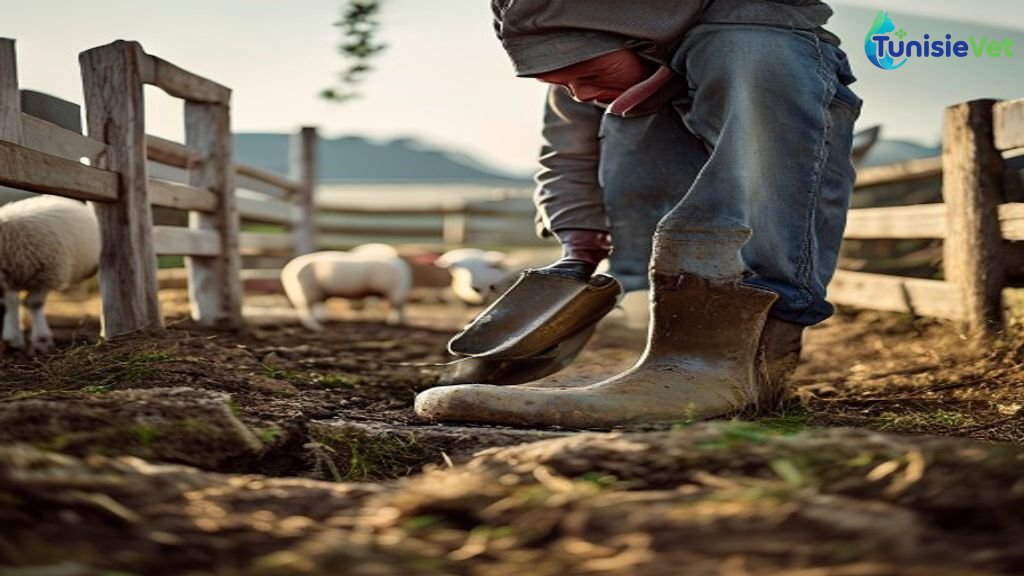
Farm biosecurity covers the simple, everyday measures that keep diseases from entering and spreading through a farm. Whether you raise cattle, sheep, goats or poultry, protecting your livestock rarely starts with costly treatments. It starts with daily habits of prevention, hygiene and careful observation. These straightforward practices dramatically reduce health risks and help avoid painful economic and emotional losses.
Why disease prevention on the farm starts with quarantine
Bringing in a new animal is one of the riskiest moments for any livestock operation. An animal that looks perfectly healthy can still be carrying a pathogen without showing a single symptom.
- Isolate every newly acquired animal in a separate area, away from the rest of the herd, for a sufficient observation period.
- Check appetite, behavior, droppings and overall condition daily before allowing any contact with the rest of the livestock.
- Apply the same quarantine rule to animals returning from a show, a market or collective transport.
- Set aside an isolation area for any sick animal found within the herd, to limit spread to healthy companions.
This step, often skipped due to lack of space or time, remains one of the most effective ways to keep disease from taking hold on the farm.
Farm hygiene: the foundation for protecting your livestock
A clean environment greatly reduces the load of pathogens present in buildings, bedding and water points.
Regular cleaning and disinfection
- Clean and disinfect shelters, feeders, waterers and floors regularly before introducing new animals into a pen.
- Change bedding often to limit moisture, which creates ideal conditions for bacteria and parasites to thrive.
- Ensure good ventilation in buildings to reduce ammonia concentration and ambient humidity.
Water and feed
- Provide access to clean, fresh water, changed regularly, especially during hot weather.
- Store feed away from moisture, rodents and wild birds, which are potential disease carriers.
- Avoid waste and leftover feed, which attract pests and insects around the facilities.
Controlling traffic: visitors, equipment and vehicles
Diseases don't spread only from animal to animal: they can also travel via people, tools or vehicles moving between different farms.
- Limit farm access to people who genuinely need to be there, and keep a simple visitor log.
- Provide dedicated boots or shoe covers, along with a handwashing station at the entrance to livestock areas.
- Disinfect shared equipment (tools, wheelbarrows, transport crates) before and after each use, especially if it moves between several sites.
- Prevent outside vehicles (deliveries, visitors) from driving directly into sensitive areas where animals live.
- Keep different species and age groups separated whenever possible, since some diseases spread more easily among animals of similar susceptibility.
Daily monitoring and early detection
Biosecurity isn't just about physical measures: it also relies on careful, regular observation of the herd.
- Quickly spot signs of illness: lethargy, loss of appetite, coughing, diarrhea, lameness or an animal isolating itself from the group.
- Keep a simple log recording births, treatments, animal movements and any health-related events.
- Regularly check fences and enclosures to prevent contact with stray or wild animals, which may carry disease.
- Manage pests (rodents, insects) on an ongoing basis, as they are common disease vectors.
As soon as there's any doubt about an animal's health, it's essential to consult a professional quickly rather than wait for the situation to worsen. A directory of veterinarians makes it easy to find a practitioner near your farm for advice, a diagnosis, or help setting up a prevention plan tailored to your livestock.
How to protect your livestock without heavy investment
Effective biosecurity doesn't depend on expensive equipment but on consistent habits: quarantining new arrivals, maintaining strict hygiene in living areas, controlling traffic on the farm, and monitoring the herd every day. Applied consistently, these simple practices significantly reduce the risk of disease introduction and spread, while preserving the health and welfare of the entire herd.
Leave a comment
Be the first to comment on this article.