
Farm Biosecurity: Simple Steps to Protect Your Whole Herd
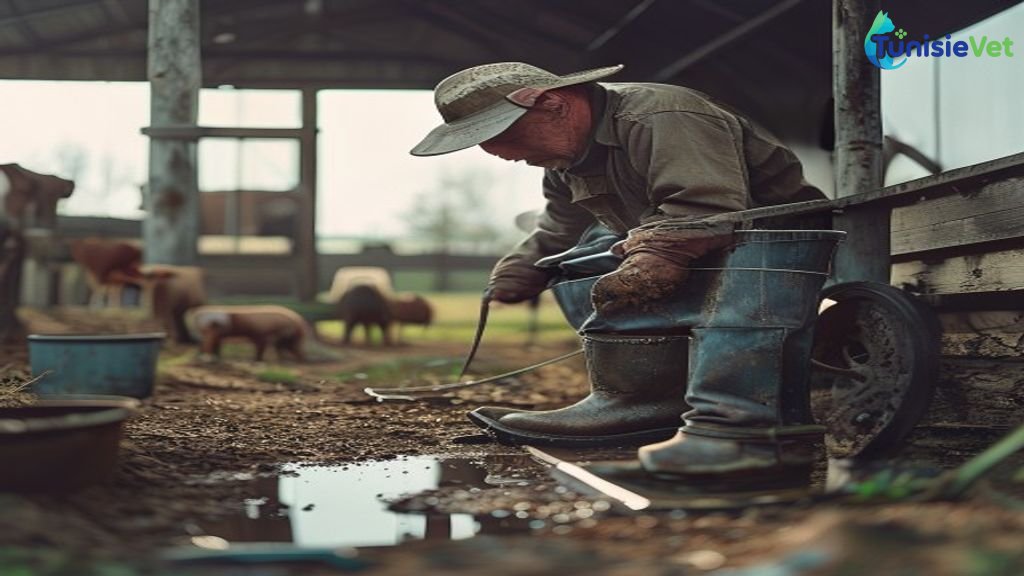
Farm biosecurity covers all the simple measures that prevent diseases from entering and spreading within a farm. Long before treatments and vaccines come into play, biosecurity is often the first line of defense to protect your herd, your income and animal welfare. The good news is that most of these steps cost almost nothing and rely mainly on daily organization and discipline.
Why biosecurity is the foundation of disease prevention on the farm
A farm is never a completely closed environment: new animals, visitors, vehicles, equipment, wild birds or rodents can all introduce disease-causing agents. Farm disease prevention aims to reduce these entry points as much as possible, rather than dealing with the consequences once an infection has already taken hold. Good biosecurity practices help limit:
- The risk of outbreaks that can affect an entire herd or flock within just a few days.
- Economic losses linked to reduced production, treatment costs and mortality.
- The transmission of certain diseases between animals, and sometimes to humans.
Quarantine: the golden rule for every new animal
Whether an animal is purchased, given as a gift, or returning from a show or market, every animal entering the farm should be isolated before joining the rest of the herd. This step, often overlooked due to lack of time or space, is actually one of the most effective.
How to set up an effective quarantine
- Set up a separate space, ideally with its own feeding and watering area.
- Observe the animal daily: appetite, behavior, stool consistency, breathing, and any signs of lameness or skin lesions.
- Use dedicated equipment (buckets, wheelbarrows, boots) to avoid transferring pathogens to the rest of the herd.
- Take care of quarantined animals last, after tending to the rest of the herd.
- Only reintroduce the animal to the group after a sufficient observation period, and seek professional advice if in doubt.
Daily hygiene: a simple but often underestimated pillar
Keeping animal living areas clean significantly reduces the pathogen load in the environment. This applies both to buildings and to the equipment used every day.
Good hygiene practices to put in place
- Regularly clean and disinfect shelters, feeders, waterers and bedding.
- Replace bedding as soon as it becomes damp or soiled, since moisture helps germs survive.
- Ensure good ventilation in buildings to limit the buildup of ammonia and humidity.
- Set up footbaths or boot-cleaning areas at the entrance to pens or buildings.
- Properly manage manure and waste, keeping them away from animal living areas.
- Always provide clean, fresh water, changed regularly.
Controlling visitors, vehicles and passing animals
Outside visitors and vehicles moving between farms are a common, often invisible, route of disease transmission. A few simple habits can reduce this risk without complicating daily farm life.
- Limit visits to essential people only, and keep a log of visits if possible.
- Provide visitors with clean boots or shoe covers, or even dedicated protective clothing.
- Disinfect the wheels of vehicles entering the farm area, especially those coming from other operations.
- Avoid direct contact between animals from different farms at markets, fairs or during shared transport.
- Protect feed and water storage from rodents, wild birds and other stray animals, which are often silent disease carriers.
Monitoring and reacting quickly to abnormal signs
Biosecurity doesn't stop at prevention: it also means keeping a close, regular eye on the herd. An animal that seems lethargic, eats less, coughs, limps or has diarrhea should be isolated quickly, before the symptom worsens or spreads.
- Observe the animals at least once a day, ideally at the same time.
- Note any change in behavior, production or appearance.
- Immediately isolate any animal showing suspicious signs, even if in doubt.
- Never introduce a sick or weakened animal into the main group.
If you have any doubts about an animal's health, or want to set up a biosecurity plan tailored to your farm, it's always best to consult a veterinarian near you who can assess the situation and recommend the most suitable measures for your operation.
How long should quarantine last for a new animal?
The exact duration depends on the species and the context, but the key is to observe the animal long enough to detect any signs of illness before it has contact with the rest of the herd. If in doubt, it's better to extend the isolation period and seek professional advice rather than risk the health of the whole herd.
Adopting these biosecurity habits day to day takes discipline, but it protects the health, productivity and welfare of the entire herd over the long run. Prevention is always better than managing an outbreak that's already underway: a few minutes of attention each day often make all the difference.
Leave a comment
Be the first to comment on this article.