
Farm Biosecurity: Simple Steps to Protect Your Whole Herd
Farm biosecurity covers the simple set of measures that prevent diseases from entering and spreading through a farm. Far from being reserved for large industrial operations, it matters to anyone who wants to protect their livestock, whether that's a handful of hens, a flock of sheep, or a cattle herd. A few daily habits are often enough to avoid major losses and keep animals healthy over the long run.
Why biosecurity is the first line of defence against disease
Pathogens (viruses, bacteria, parasites) most often spread through direct contact between animals, or via equipment, vehicles, footwear, and pests. Disease prevention on the farm therefore rests on one simple principle: limit as many opportunities for contamination as possible before a problem ever appears. Once a disease has taken hold in a herd, it's usually harder, slower, and more expensive to eliminate than it would have been to simply prevent it in the first place. Investing time in biosecurity means investing in the future health and productivity of your farm.
Quarantine: a step you should never skip
Any new animal brought onto the farm, whether purchased, exchanged, or returning from a show, can carry a disease without showing a single visible symptom. Quarantine means isolating that animal for an observation period before letting it mix with the rest of the herd.
- Set up a separate space, ideally well away from other farm buildings.
- Check the animal's appetite, behaviour, droppings, and overall condition every day.
- Use dedicated equipment (buckets, bedding, tools) just for this quarantine area.
- Only introduce the animal to the rest of the herd once its good health is confirmed, ideally with a vet's opinion.
This simple step prevents a hidden disease from silently spreading through the whole herd.
Sick or injured animals
An animal showing signs of illness should also be isolated from the group immediately, until the cause of the problem is identified and treated. This limits contagion and allows for closer monitoring.
Site hygiene: the foundation of any biosecurity strategy
A clean environment considerably reduces the pathogen load on a farm. A few essential habits:
- Clean and disinfect shelters, feeders, and drinkers regularly.
- Change bedding frequently to limit moisture, which encourages germ growth.
- Ensure good ventilation in buildings to avoid a build-up of ammonia and humidity.
- Dispose of manure and organic waste properly, without letting it pile up near where the animals live.
- Keep pests (rodents, insects) under control, as they can carry disease.
- Always provide clean, fresh water, changed regularly.
Repeated daily, these habits form the backbone of good farm hygiene and naturally reduce infection pressure.
Controlling access: visitors, vehicles, and equipment
People and vehicles moving between different farms are one of the main ways diseases travel from one operation to another. A few precautions can reduce this risk:
- Restrict access to livestock areas to only those who truly need to be there.
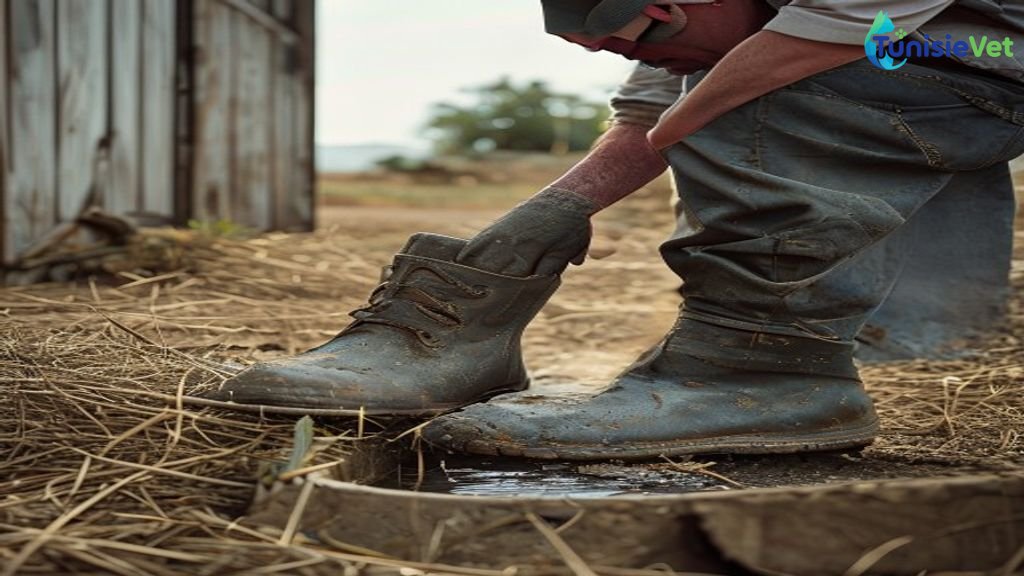
- Provide visitors with dedicated boots or shoe covers, along with a handwashing point.
- Disinfect the wheels of vehicles entering the farm whenever possible.
- Avoid lending or borrowing farm equipment without cleaning it first.
- Keep a simple visitor log, useful for tracing possible contacts if a disease is suspected.
These measures, often seen as a hassle at first, quickly become simple habits that protect the herd for the long term.
Separating species and organising animal groups
Some diseases spread easily between different species or between young and adult animals. It's recommended to:
- Keep different species on the farm separated wherever possible.
- Isolate young animals, which are more vulnerable, from adults whenever there's any health concern.
- Avoid mixing animals of different ages or origins without an adjustment period.
Clearly organised spaces also make daily cleaning and herd monitoring much easier.
The role of regular veterinary follow-up
Biosecurity doesn't replace veterinary care, it complements it. A suitable vaccination schedule, regular deworming, and check-up visits help catch any abnormal sign early. It's best to consult a professional to set up a health protocol tailored to your type of farm and your region. You can find qualified professionals through our veterinary directory to set up personalised support for your herd.
What is the single most important biosecurity measure on a farm?
If you had to pick just one, quarantining every new animal remains the most effective measure, since it prevents an unknown disease from being introduced directly into the herd. Combined with good daily hygiene and strict control over visitors, it forms a solid foundation of protection for any farm.
Leave a comment
Be the first to comment on this article.