
Farm Biosecurity: Simple Steps That Protect Your Whole Herd
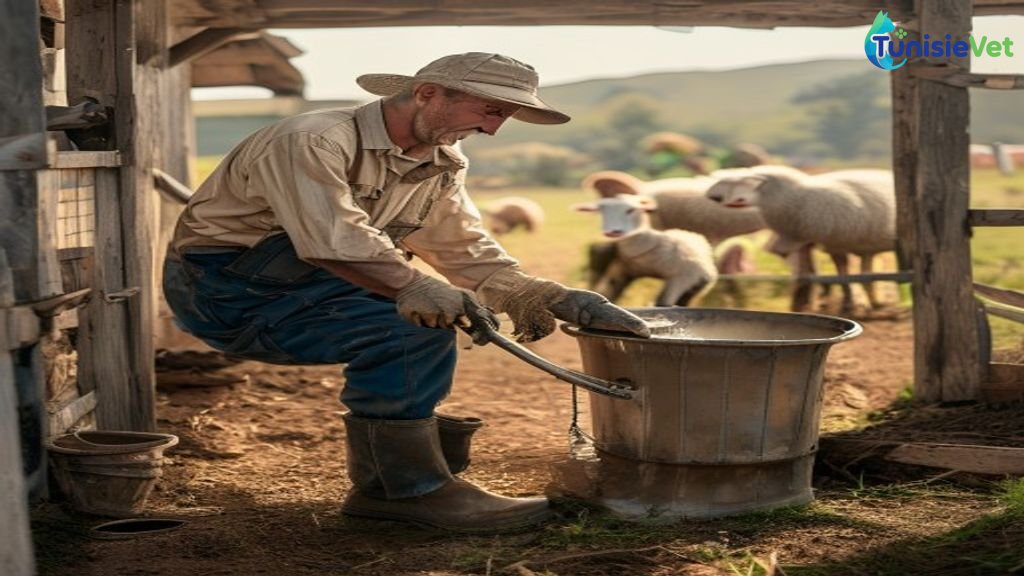
Farm biosecurity covers the simple, practical measures that keep diseases out of a farm — or stop them from spreading once they're in. Whether you keep cattle, sheep, goats, camels or poultry, protecting your herd doesn't necessarily require big investments: a few consistent habits are often enough to prevent heavy losses, stress and costly vet bills. Here are the essential steps for effective, lasting disease prevention on the farm.
Why biosecurity is the herd's first line of defence
Any farm, whatever its size, is constantly exposed to pathogens carried in by newly introduced animals, visitors, vehicles, shared equipment or even pests. Biosecurity is about minimising these entry points as much as possible. Contrary to popular belief, this isn't just for large commercial operations: even a small family herd or a backyard flock benefits enormously from these simple, low-cost habits.
Quarantine: a step you should never skip
Any animal arriving on the farm — whether bought, borrowed for breeding, or returning from a show — can carry disease without showing a single visible symptom. Quarantine allows you to observe the animal before it joins the rest of the herd.
- Isolate every new animal in a separate space, with its own equipment (buckets, feeders, care tools).
- Check daily on its behaviour, appetite, droppings and overall condition.
- Avoid any direct or indirect contact with the rest of the herd during the observation period.
- Only mix the animal in once you're confident there are no signs of disease.
This simple precaution stops a single sick animal from contaminating the entire herd within days.
Hygiene and environmental management
A clean environment greatly limits the survival and spread of infectious agents. Disease prevention on the farm relies heavily on simple but consistent hygiene habits.
Cleaning and disinfection
- Regularly clean shelters, bedding, feeders and drinkers.
- Remove manure and organic waste promptly, as they encourage parasites and bacteria to develop.
- Disinfect equipment shared between animals, especially after treatment or handling.
- Make sure buildings are well ventilated to limit humidity, which favours many pathogens.
Water and feed
- Provide clean water, refreshed regularly.
- Store feed away from damp and pests (rodents, wild birds).
- Prevent animals from trampling or fouling their own food.
Controlling visitors and outside contractors
People who move between several farms (visitors, technicians, delivery drivers, other farmers) can carry pathogens on their boots, clothing or equipment, even without realising it. A few simple rules significantly reduce this risk:
- Restrict access to farm areas to only those who really need it.
- Provide clean boots or overshoes, or even a footbath at the entrance to buildings.
- Ask visitors to wash their hands before and after contact with the animals.
- Avoid sharing equipment (tools, wheelbarrows, buckets) between different farms without cleaning it first.
- Clean vehicles that regularly enter the farm, particularly the wheels and flatbed.
Daily monitoring and managing sick animals
Biosecurity doesn't stop at controlling what comes in — it also means watching the herd closely and continuously.
- Check appetite, behaviour, gait and overall condition every day.
- Isolate immediately any animal showing unusual signs (lethargy, diarrhoea, coughing, lameness, discharge).
- Keep a simple health log to spot abnormal changes more easily.
- Avoid introducing new animals during stressful periods (transport, extreme heat, near calving/lambing/kidding).
If you're in doubt or symptoms persist, it's essential to call in a professional quickly rather than wait for things to get worse. You can browse the directory of veterinarians specialised in livestock and farm animals to get advice tailored to your herd, whether it's cattle, sheep, goats, camels or poultry.
Frequently asked questions
How long should a new animal stay in quarantine?
The exact length depends on the species and the situation, but a sufficiently long observation period before introducing the animal to the herd helps catch most signs of disease that weren't visible on arrival. If in doubt, a professional can advise on the most suitable duration for your situation.
Is biosecurity worth it even for a small family farm?
Yes, absolutely. A backyard flock or a small herd of just a few animals faces the same risks as a large farm: a new carrier animal, a visitor, shared equipment or pests. The same simple hygiene and access-control habits apply, just on a smaller scale.
By adopting these simple farm biosecurity habits — quarantine, rigorous hygiene, visitor control and daily monitoring — every farmer protects their herd for the long term, reduces the need for curative treatments, and safeguards their animals' health year after year.
Leave a comment
Be the first to comment on this article.