
Livestock Lameness Causes: Seasonal Prevention on Pasture
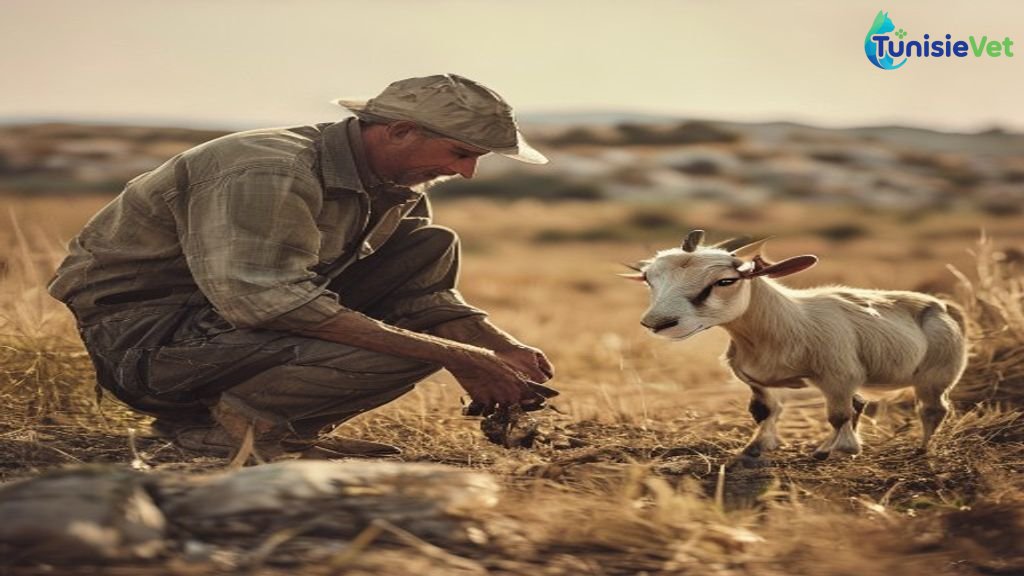
Livestock lameness causes are numerous, and lameness remains one of the most common and costly problems for cattle, sheep and goat farmers. A lame animal eats less, moves around less, grows weaker, and can suffer a noticeable drop in milk yield or growth rate. Knowing how to quickly identify the source of the problem and taking preventive action according to the season can stop a few affected animals from disrupting the whole herd.
Why moisture increases lameness on pasture
After rainfall, waterlogged ground and muddy patches around water points or troughs soften the horn of the hoof. This weakened horn becomes an easy entry point for the bacteria responsible for foot rot in livestock, a painful inflammation of the skin between the claws. Animals that stand for long periods in mud or wet manure are especially at risk, as are those housed in poorly drained barns.
- Softened horn = more frequent wear and injuries
- Moisture + manure = ideal conditions for bacteria
- Prolonged standing in mud = interdigital irritation
Rocky ground and mechanical injuries
On the other hand, dry, stony or uneven pastures cause a different type of injury: cuts, sole bruising, foreign objects trapped between the claws, or excessive horn wear. These open wounds can then become infected and develop into a hoof abscess in livestock, recognisable by sudden and often severe lameness in a single leg, with the animal refusing to put weight on the affected foot.
Warning signs to watch for
- An animal that isolates itself from the herd or stays lying down
- Refusal to bear weight on a limb, hesitant gait
- Heat, swelling or an unusual smell around the foot
- Loss of appetite and reduced milk production
Poor hoof trimming: an often overlooked cause
A poorly maintained claw grows unevenly, throws off the animal's balance and increases pressure on certain sensitive areas of the foot. Regular goat and sheep hoof trimming, just like trimming in cattle, helps correct the shape of the hoof before deformities lead to chronic pain. Neglected trimming over several months is often the underlying cause of recurring lameness that seems to appear "for no reason."
- Regularly check the shape and length of the claws
- Trim before the wet season, when the horn is softer and easier to work with
- Never neglect older or less mobile animals, which are harder to examine
Effective prevention adapted to each season
Herd lameness prevention relies above all on managing the environment and keeping up regular monitoring, season after season.
During the wet season
- Ensure good drainage in high-traffic areas and around water troughs
- Change bedding frequently to limit prolonged contact with moisture
- Avoid overcrowding, which encourages trampling and mud build-up
During the dry season and on rocky ground
- Inspect feet after returning from pasture if the terrain is rough
- Avoid moving the herd over scorching ground during the hottest hours
- Promptly remove any visible foreign object stuck between the claws
General barn hygiene
Good barn hygiene for lameness prevention means regular cleaning, clean and dry bedding, and enough space for every animal to rest without trampling its herd mates. These simple measures significantly reduce the risk of wet pasture lameness and secondary infections.
Hoof care: an essential routine practice
Hoof care for ruminants shouldn't be reserved only for animals that are already lame: periodic inspection of the whole herd helps catch early warning signs before they worsen. If lameness persists, swelling is significant, or you notice a suspicious smell, don't wait: quickly consult veterinarians for cattle or veterinarians for sheep near you, or check the directory of veterinarians specialised in livestock for an accurate diagnosis and appropriate treatment.
Can mild lameness go away on its own?
Sometimes a brief discomfort caused by a simple stone stuck in the hoof can improve on its own once the irritant is removed. But any lameness that lasts more than a day or two, comes with swelling, or affects several animals in the herd should be examined without delay, since an untreated abscess or infection can worsen quickly.
Leave a comment
Be the first to comment on this article.