
Heat Stress in Chickens: Preventing Deaths During Power Cuts
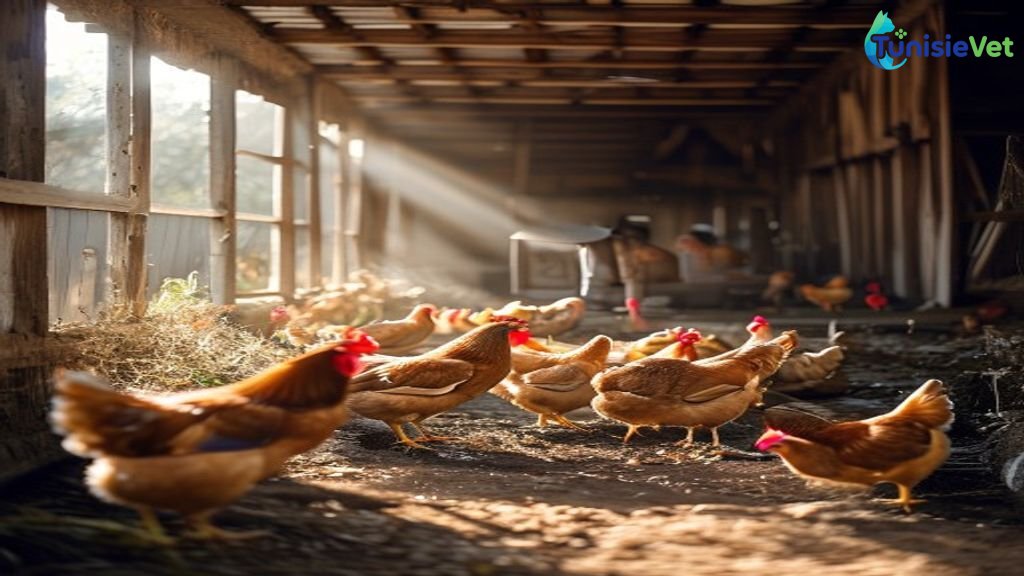
Heat stress in chickens is one of the most serious threats facing backyard flocks and large poultry farms alike every summer. Soaring temperatures combined with power outages can leave birds without ventilation and fresh water for hours at a time, sometimes with devastating consequences for the flock's health. Here are the essential steps to reduce heat stress and lower the risk of mortality in chickens and other poultry.
Why is heat so dangerous for poultry?
Unlike humans, chickens barely sweat. They release excess heat mainly through panting and via their combs and wattles. Once ambient temperatures rise above a certain threshold, this natural cooling mechanism becomes insufficient, especially in humid or poorly ventilated conditions. The resulting heat stress leads to:
- a sharp drop in feed intake and, consequently, egg production;
- rapid dehydration, particularly if water supply is inadequate;
- general weakness that makes birds more vulnerable to disease;
- in the most severe cases, a risk of death from hyperthermia, especially in already vulnerable birds (chicks, older animals, heavier breeds).
A power outage makes the situation immediately worse on farms that rely on fans or air extractors: temperatures inside the coop can then rise very quickly, leaving the birds with no way to escape the heat.
Smart moves to reduce heat stress
Ensure constant access to fresh water
Water is the top priority during a heatwave. It's recommended to:
- set up multiple drinking points to avoid queues and competition among birds;
- refresh the water several times a day so it stays cool;
- place drinkers in the shade, never in direct sunlight;
- check that no drinker is blocked or empty, especially after a power cut if the system is automated.
Boost natural ventilation
During a power outage, you need to make up for the loss of fans with maximum natural airflow:
- open all coop doors, windows and vents as wide as possible;
- create cross-drafts to encourage air circulation;
- reduce stocking density per square metre where possible, to limit the heat produced by the birds' bodies;
- avoid handling or transporting birds during the hottest hours of the day.
Adjust feeding times to the cooler hours
Digestion generates metabolic heat, so it's best to:
- feed early in the morning or later in the evening, when temperatures drop;
- offer slightly lower-energy rations during heatwaves;
- never leave feeders empty for too long, as this adds extra stress.
Planning ahead for power cuts on poultry farms
Power outages, common during periods of high summer energy demand, mean farmers need backup solutions in place:
- Keep a backup generator on hand to maintain ventilation during extended outages.
- Set up passive shading systems (tarps, vegetation, insulating materials) that don't rely on any power source.
- Install additional manual openings that allow immediate airflow without electricity.
- Watch for warning signs in the birds' behaviour, such as excessive panting, spread wings or lethargy, and don't ignore them.
Close monitoring during heat peaks often makes it possible to step in in time, before the situation turns critical for the whole flock.
When should you call a vet?
If, despite these precautions, you notice unusual mortality, a significant drop in egg-laying, or signs of illness in your birds, don't wait to seek professional advice. A prompt diagnosis can often prevent a problem from spreading through the entire flock. You can check the directory of veterinarians specialising in poultry for guidance tailored to your situation.
How long can a chicken survive without water during a heatwave?
A chicken deprived of water during a heatwave can become dangerously dehydrated in just a few hours. That's why it's essential to check several times a day that drinkers are working properly, especially when the system is electric and vulnerable to power cuts.
Need a professional opinion? If in doubt or in an emergency, find a veterinarian near you on TunisieVet.
Leave a comment
Be the first to comment on this article.