
Mineral Deficiency in Tunisian Livestock: Warning Signs

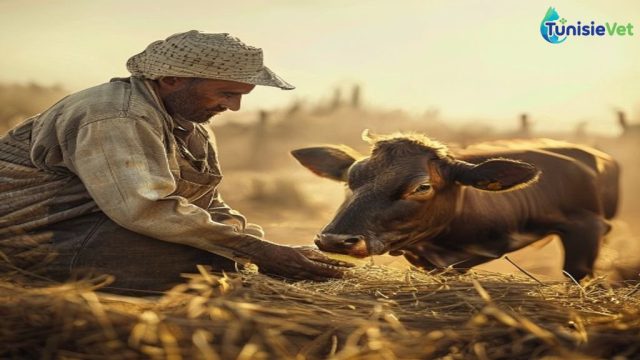
Mineral deficiency in livestock is a common concern for cattle, sheep and goat farmers in Tunisia, especially during droughts or periods of forage transition. An animal lacking minerals and vitamins loses fertility, growth and milk production long before any disease becomes visible to the naked eye. Learning to spot the warning signs early often helps avoid significant economic losses and preserves the herd's welfare, without automatically resorting to costly treatments.
Recognizing signs of calcium deficiency in cattle and other essential minerals
Calcium, phosphorus and magnesium are the pillars of the skeleton, lactation and proper muscle function. An established deficiency often shows through gradual signs that need to be observed on a daily basis.
Calcium and phosphorus
- Stiff gait, recurring lameness with no visible injury
- Fractures or bone deformities in growing young animals
- Noticeable drop in milk production in lactating cows or ewes
- Milk fever (difficulty standing up) around calving, particularly in dairy cows
- Picky appetite, animal licking soil, walls or metal objects (pica)
Magnesium
- Excessive nervousness, muscle tremors
- Convulsions or tetany, especially on young, lush pasture
- Sudden collapse with no apparent traumatic cause
Vitamin deficiencies in the herd: vitamins A and D on the front line
The fat-soluble vitamins A and D are often overlooked, yet they govern eyesight, reproduction, immunity and bone strength.
Vitamin A
- Vision problems, especially at dusk (night blindness)
- Growth delays in young animals
- Reproductive issues: irregular heat cycles, repeated abortions
- Dull skin and mucous membranes, rough coat
Vitamin D
- Bone weakness, rickets in young animals
- Poor calcium absorption despite an adequate dietary intake
- Animals with little sun exposure, kept indoors for long periods, are particularly at risk
These signs are not always specific to a single deficiency: a reliable diagnosis requires a full clinical examination and, if needed, lab tests. This is why it remains essential to consult a veterinarian as soon as persistent symptoms appear, in order to rule out other causes and fine-tune the correction.
Natural nutritional correction on the farm: adjusting the ration before medicating
The good news is that most deficiencies can be prevented and corrected through smart feeding adjustments, without excessive spending on medicinal supplements.
- Diversify forage: alternating legumes (alfalfa, vetch) with grasses allows for a better natural mineral balance.
- Provide a mineral or salt lick block on a free-choice basis, particularly useful during periods of poor pasture.
- Encourage sun exposure to stimulate natural vitamin D synthesis, especially for animals frequently kept indoors.
- Incorporate local agricultural by-products (bran, oilseed cakes) which provide phosphorus and trace elements at low cost.
- Avoid pastures that are exclusively young and wet early in the season, as these are often low in magnesium.
- Monitor drinking water, which must stay clean and fresh so it doesn't limit overall feed intake.
Mineral-rich forage in Tunisia: which local resources to prioritize
In Tunisia, several local forage resources and agricultural by-products can be used to naturally boost mineral intake:
- Alfalfa, rich in calcium, particularly suited to dairy cows and lactating ewes
- Legume haulms (broad beans, chickpeas) after harvest
- Wheat bran, a valuable source of phosphorus
- Olive and prickly pear residues, useful as a ration supplement during the dry season, provided they are introduced gradually
A forage plan designed for the whole year, taking into account Tunisia's typical dry seasons, considerably reduces the risk of deficiency without systematically relying on costly imported supplements.
Animal welfare and deficiencies: why prevention outweighs treatment
A deficient animal suffers silently before showing clear clinical signs. Regularly observing the herd's coat condition, gait, appetite and behavior allows for early intervention. Animal welfare also depends on a balanced diet, tailored to age, physiological stage (pregnancy, lactation, growth) and season.
What are the first signs of mineral deficiency in livestock?
The first signs include reduced appetite, a dull coat, declining milk production and sometimes abnormal licking behavior (pica). As soon as these signs appear, it is recommended to adjust the ration and consult a professional to confirm the diagnosis.
If you have lingering doubts about your herd's nutritional status, don't hesitate to contact a veterinarian specialized in cattle or check the professional directory for guidance tailored to your sheep and goats.
Leave a comment
Be the first to comment on this article.

📱 عندك صفحة على فايسبوك؟ باهي… أما وين موقعك؟ الصفحة وحدها ما تكفيش. موقعك يخلي الناس تلقاك، يعرفوك أكثر ويثقو في خدمتك. 🌐 موقع باسم مشروعك 📲 يخدم أربعة وعشرين ساعة 🤝 يعطي ثقة واحترافية .📈 يعاونك تكبّر خدمتك خلّيه موجود وين الناس تلوّج عليه 🚀نعملولك موقع يشرّف مشروعك
WhatsApp