
Goat and Sheep Breeding Cycle: Heat Signs and Mating Timing
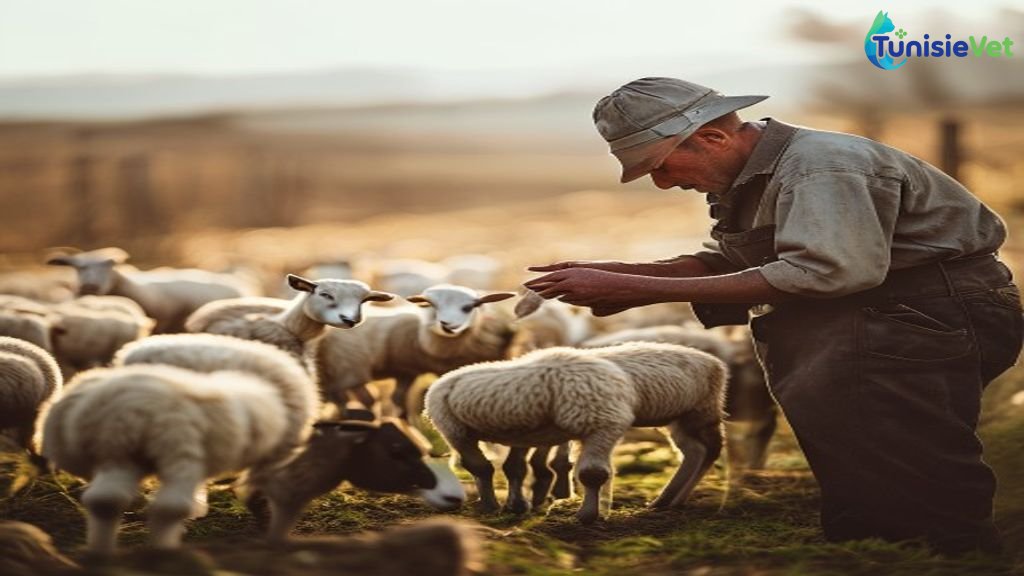
Understanding the goat and sheep breeding cycle is one of the keys to a profitable, sustainable flock. Good heat detection in sheep and goats helps you time mating correctly, reduce failed conceptions, and lower the risk of abortion. Yet many farmers, even experienced ones, miss subtle signs or misjudge the ideal timing. This practical guide covers how to spot heat signs, manage breeding, and avoid the most common mistakes.
Recognizing Signs of Estrus in Ewes and Does
Signs of estrus in ewes and does show up through both behavioral changes and physical symptoms. Careful daily observation of the flock, ideally morning and evening, remains the best detection tool.
Behavioral Signs
- Unusual restlessness, more frequent bleating, repeated pacing around the pen.
- Actively seeking out the male, or, when a buck/ram is present, staying close and accepting mounting.
- Reduced appetite and temporary nervousness.
- Mounting between females (a "riding" behavior that can occur even without a male present).
Physical Signs
- Slightly swollen vulva, redder than usual.
- Clear, stringy vaginal discharge, more noticeable at the start or end of heat.
- Frequent tail wagging (a classic sign in both ewes and does).
Cycle Length and Repetition
Heat generally lasts anywhere from a few hours to just over a day, and the cycle repeats at regular intervals if fertilization hasn't occurred. That's why keeping a breeding log or a simple calendar noting the date heat appears for each female is so valuable: it helps you anticipate the next heat and fine-tune mating timing for the following cycle.
Getting the Timing Right for Natural Mating in Small Ruminants
Successful fertilization depends heavily on choosing the right moment for mating. Natural mating in small ruminants carried out too early or too late in the heat period significantly lowers the chances of pregnancy.
- Favor the second half of the observed heat period, when physical signs (swelling, discharge) are most pronounced.
- Keep the male with the female in heat long enough to allow several matings, which increases the odds of success.
- Avoid switching males too often or disrupting the flock's environment during this sensitive period, since stress can throw off the cycle.
- For scheduled artificial insemination, work with a professional to precisely time the intervention based on the signs observed in each animal.
Preventing Abortions and Recurring Infertility
Good fertility in sheep and goats doesn't depend on mating timing alone: it also relies on the animal's overall condition and on sound flock management throughout pregnancy.
- Provide a balanced diet before and during breeding, avoiding any sudden change in feed, especially in early pregnancy.
- Supply clean, fresh water at all times, essential for proper hormonal function and overall health.
- Limit sources of stress: transport, changes in housing, overcrowding, or rough handling can all trigger abortions.
- Quickly isolate any female that has aborted or shows abnormal discharge, to prevent a potential infectious cause from spreading to the rest of the flock.
- Regularly monitor pregnant females for any abnormal signs (lethargy, discharge, or lack of felt fetal movement as term approaches).
If infertility keeps recurring despite good heat detection and correct mating timing, it's best to seek outside advice rather than keep trying without success. Consulting veterinarians specialized in goats or veterinarians experienced in sheep health can help identify an underlying cause (nutritional imbalance, health issue, or male fertility problem) and adjust flock breeding management accordingly.
Setting Up Simple, Effective Monitoring
- Keep a record for each animal noting observed heat dates, mating dates, and expected lambing/kidding dates.
- Group females intended for breeding together to make daily observation easier.
- Train anyone working with the flock to recognize basic heat signs, so no mating window is missed.
- Schedule a preventive veterinary visit before the breeding season to check the overall health of both male and female breeding stock.
How Long Does Heat Last in Goats and Sheep?
The heat period generally lasts from a few hours to just over a day, depending on the animal and conditions. That's why close observation, several times a day, is essential to avoid missing the optimal mating window.
Need a professional opinion? If in doubt or in an emergency, find a veterinarian near you on TunisieVet.
Leave a comment
Be the first to comment on this article.