
Livestock Dehydration in Tunisia: Warning Signs and First Aid

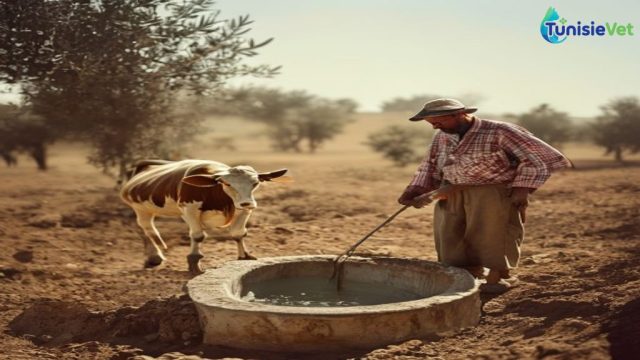
Livestock dehydration in Tunisia is one of the most common emergencies farmers face, especially during the long hot spells that hit the central and southern regions. Cattle, sheep and goats can dehydrate quickly when water points are far away, fodder is too dry or temperatures soar. Knowing how to spot the signs of dehydration in cattle, sheep or goats, and reacting with the right steps, can literally save an animal within hours.
Why does livestock dehydrate so easily in a Mediterranean climate?
Tunisia's climate, marked by long hot summers and rural areas where water access isn't always immediate, puts herds at particular risk of dehydration. Several factors make this worse:
- Long distances between grazing areas and watering points.
- Water that is sometimes insufficient in quantity or poor in quality (too warm, cloudy or salty).
- Bouts of diarrhea, fever or intense heat that increase the animal's fluid loss.
- Prolonged transport to markets or slaughterhouses without adequate watering breaks.
Young animals, lactating females and animals already weakened by illness are the most vulnerable and need closer monitoring.
Signs of dehydration in cattle, sheep and goats
Spotting the signs of dehydration in cattle or small ruminants early allows you to step in before the situation turns critical. Here are the most reliable indicators to watch for:
Dry mucous membranes and sunken eyes
Dry mucous membranes in livestock (gums, inner lips, vaginal mucosa) are a classic warning sign. In a well-hydrated animal, the mucous membranes are moist and pink; in a dehydrated one, they become tacky, pale or grayish. Sunken eyes and a dull-looking gaze are also very telling.
The skin tent test
The skin tent test for dehydrated livestock is the simplest and most widely used method in the field. Gently pinch the skin at the neck or shoulder area, then release it:
- If the skin snaps back immediately, the animal is properly hydrated.
- If the fold takes several seconds to flatten out, this is a clear sign of moderate to severe dehydration.
Other signs to watch for
- A noticeable drop in water and fodder intake.
- General weakness, wobbly gait or an animal lying down for an unusually long time.
- Scant, dark urine, or persistent diarrhea.
- Drop in milk yield in lactating cows and goats.
- Rapid breathing and panting, especially during heatwaves.
Emergency rehydration protocol for the herd
When an animal shows signs of dehydration, a well-managed emergency watering of the herd can prevent rapid worsening. Here are the recommended steps:
- Isolate the affected animal in the shade, in a calm, well-ventilated spot, away from direct sunlight.
- Offer fresh, clean water in small, repeated amounts rather than one large quantity, to avoid digestive upset.
- Add electrolytes to the drinking water if the animal has diarrhea or is sweating heavily, to make up for lost minerals.
- Check that the rest of the herd has free access to water, making sure troughs aren't blocked, tipped over or dry.
- Monitor progress over the following hours: return of appetite, normal skin tent response, more abundant urination.
- Call a veterinarian without delay if the animal won't drink on its own, stays lying down, has severe diarrhea, or shows no improvement after the first steps.
Oral rehydration only works if the animal is still able to drink on its own. In severe cases of advanced dehydration (a prostrate animal unable to stand), only a professional can administer proper rehydration treatment. It's strongly recommended to contact a veterinarian specializing in cattle or, depending on the herd concerned, to check the veterinarian directory to quickly find a professional near your farm.
Preventing dehydration during hot weather
Preventing dehydration in hot climates relies on simple but regular measures:
- Increase the number of accessible water points along grazing routes, especially in summer.
- Clean troughs regularly to ensure fresh, clean water.
- Provide enough shaded areas to limit heat stress on the herd.
- Adjust grazing hours to avoid the hottest part of the day.
- Keep a close eye on young, pregnant or already sick animals, which are more prone to dehydration.
- Plan ahead for water needs during transport, scheduling regular watering stops.
How long can a dehydrated animal last without treatment?
There's no universal timeframe: it depends on the animal's age, the severity of the dehydration and the ambient temperature. However, as soon as signs such as a persistent skin tent, dry mucous membranes or a recumbent animal appear, action must be taken immediately. The faster the response, the better the chances of full recovery.
Leave a comment
Be the first to comment on this article.

📱 عندك صفحة على فايسبوك؟ باهي… أما وين موقعك؟ الصفحة وحدها ما تكفيش. موقعك يخلي الناس تلقاك، يعرفوك أكثر ويثقو في خدمتك. 🌐 موقع باسم مشروعك 📲 يخدم أربعة وعشرين ساعة 🤝 يعطي ثقة واحترافية .📈 يعاونك تكبّر خدمتك خلّيه موجود وين الناس تلوّج عليه 🚀نعملولك موقع يشرّف مشروعك
WhatsApp