
Livestock Infertility: Signs, Causes and Natural Fixes
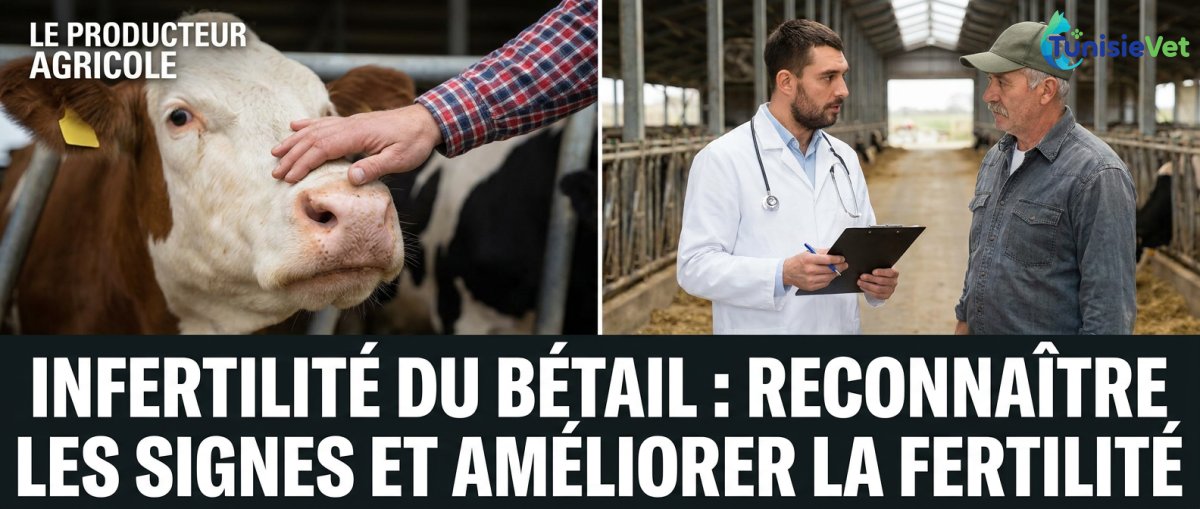
Livestock infertility is one of the most silent economic losses in farming: a cow that never comes back into heat, a ewe that refuses the ram, a buck that just isn't getting the job done… and suddenly a whole litter or lactation cycle is lost. Spotting the early signs of declining fertility, understanding what causes them, and taking simple corrective steps can often save you from resorting to heavy-handed treatments. Here's a practical guide for farmers, covering both females and males.
Warning signs to watch for in females
In cows, ewes and does, certain symptoms point to a reproductive problem that shouldn't be brushed aside:
- Absent, irregular or very subtle heat cycles
- Repeated returns to heat after mating or insemination
- Abnormal vaginal discharge (unusual color or smell)
- Repeated abortions or premature births
- Difficult births (dystocia) requiring assistance every time
- Weight loss combined with declining fertility
A female that cycles repeatedly without conceiving, or that suffers repeated abortions, deserves a thorough veterinary check rather than simply being put back with the male again and again.
Dystocia: a signal worth watching closely
Dystocia (difficult birthing) isn't just a one-off problem: when it keeps recurring within the same bloodlines or the same group of animals, it can point to a nutritional imbalance, a poor size match between male and female, or the mother's poor physical condition. Any female that has gone through a severe dystocia should be closely monitored during her next cycle.
Male fertility: an often-overlooked factor
Too often the female gets blamed when the breeding male is actually the problem. In bulls, rams and bucks, keep an eye out for:
- Reduced libido or refusal to mount
- Lameness or pain that interferes with mounting
- Swelling, heat or asymmetry in the testicles
- An unusually low conception rate across the herd despite healthy females
Excessive heat, poor nutrition or overuse (too many females for a single male) all clearly reduce semen quality. Rotating breeding males and giving them proper rest periods often improves results without any treatment at all.
Main causes of declining fertility
Nutrition and body condition
An unbalanced diet is the most common cause of infertility — and the easiest to fix:
- An energy deficit delays or suppresses heat cycles
- Excess fattening can also harm fertility
- Mineral and trace element deficiencies disrupt cycles and reduce egg and semen quality
- Constant access to clean, fresh water is essential for proper hormonal function
Heat stress
Excessive heat is a well-known obstacle to reproduction in all ruminants. It reduces the visibility of heat signs, damages embryo quality, and lowers sperm fertility in males. To limit this impact:
- Provide natural or artificial shade at all times
- Schedule grazing or work hours during the cooler parts of the day
- Ensure adequate ventilation in barns and shelters
- Set up multiple fresh water points around the farm
General stress and herd management
Chronic stress — from transport, rough handling, overcrowding, or frequent changes in environment — disrupts reproductive hormones. Calm handling, consistent routines and adequate space per animal all support more regular cycles.
Cycle tracking and good farming practices
To improve herd fertility naturally and sustainably:
- Keep a record of heat cycles, matings and births to spot irregularities
- Observe female behavior daily, especially during the breeding season
- Adjust feed rations based on body condition and physiological stage (pre-mating, pregnancy, lactation)
- Isolate and have examined any female or male showing repeated signs of infertility
- Schedule rest periods for heavily used breeding males
This kind of simple monitoring, even without sophisticated equipment, often catches a problem before it becomes entrenched in the herd.
When should you call a vet?
Some signs call for prompt professional advice rather than just watching and waiting:
- Several cycles without conception despite repeated matings
- Repeated abortions, especially clustered close together in time
- Frequent or unusually difficult births
- Suspected male infertility affecting several females
A clinical exam, sometimes backed up by lab testing, can identify an underlying pathological cause (infection, hormonal imbalance, anatomical issue) that better herd management alone won't fix. Don't hesitate to consult a vet specialized in cattle or, depending on the species involved, a sheep vet or a goat vet to get an accurate diagnosis and an action plan tailored to your farm.
How long should you wait before seeing a vet about infertility?
As a general rule, if a female fails to conceive after two to three normal mating cycles, or if a male fails with several different females, it's time to seek veterinary advice. Waiting longer only delays diagnosis and extends the economic losses caused by unproductive animals.
Need a professional opinion? If in doubt or in an emergency, find a veterinarian near you on TunisieVet.
Leave a comment
Be the first to comment on this article.