
Respiratory Diseases in Poultry in Tunisia: Signs & Prevention

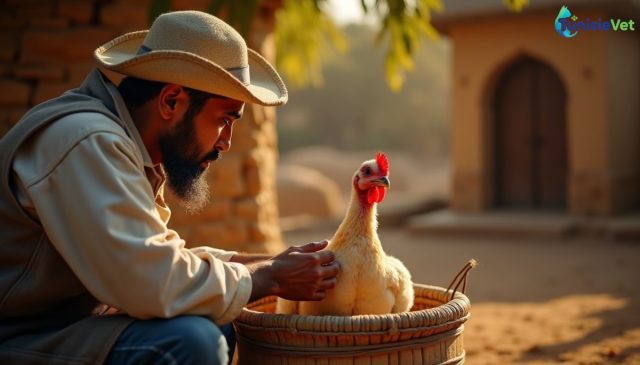
Respiratory diseases in poultry in Tunisia are among the most common health issues seen in both backyard flocks and small family farms. Coughing, sneezing, rattling sounds or nasal discharge tend to show up whenever temperatures shift abruptly — a hallmark of the Tunisian climate, swinging between scorching summers and damp winters. This practical guide will help you spot the early warning signs, set up proper prevention, and know which simple steps to take before calling in a vet.
Why do chickens cough in Tunisia? Understanding the causes
A bird's respiratory tract is highly sensitive to air quality, humidity and cold drafts. In Tunisia, several factors tend to trigger respiratory trouble:
- Sharp temperature swings between day and night, especially in spring and autumn.
- Poor ventilation, or conversely, direct drafts blowing straight onto the birds.
- Damp or dirty bedding that releases ammonia and irritates the airways.
- Overcrowding in the coop, which speeds up the spread of illness between birds.
- Stress from transport, the introduction of new birds, or an unbalanced diet.
None of these factors automatically leads to serious disease, but they do weaken a bird's natural defences and leave the door open to respiratory infections.
Coughing and sneezing chickens: symptoms to watch for
Spotting the warning signs early lets you act before things get worse or spread through the whole coop. Keep an eye out for the following:
- Repeated coughing and sneezing, sometimes with a rattling or wheezing sound.
- Nasal or eye discharge, swollen or gummed-up eyes.
- Open-beak breathing, a sign of marked respiratory distress.
- Lethargy, ruffled feathers, a bird sitting hunched apart from the group.
- Loss of appetite and a noticeable drop in egg-laying.
As soon as any one of these signs appears, it's best to isolate the affected bird from the rest of the flock to limit the risk of spread, and to keep a close eye on how it develops.
Coop management in hot and cold weather: prevention beats cure
Prevention remains the best defence against respiratory disease. It relies on careful management of the coop environment, whatever the season.
Summer coop ventilation: avoiding excess heat
- Ensure good airflow without creating direct drafts onto the birds.
- Provide shade and fresh water available at all times.
- Avoid overcrowding, which raises ambient heat and bedding humidity.
Winter coop ventilation: limiting damp and cold
- Keep bedding clean and dry, changing it regularly.
- Close off openings exposed to prevailing winds while keeping a minimum level of airflow.
- Avoid sudden day-to-night temperature swings by insulating the coop.
General health and hygiene practices
- Clean and disinfect the coop, feeders and waterers on a regular basis.
- Quarantine any new bird before introducing it to the flock.
- Provide a balanced diet to strengthen natural immunity.
- Reduce sources of stress: excessive handling, noise, or overly high stocking density.
Natural remedies for poultry: simple steps before the vet
When mild symptoms first appear, a few simple measures and natural remedies can bring relief while you wait to see if the bird improves, before a vet visit becomes necessary:
- Isolate the sick bird immediately in a dry, warm and quiet spot.
- Offer fresh, clean water at all times, refreshed several times a day.
- Add crushed garlic or thyme to feed or drinking water, traditionally used to help boost natural defences.
- Ventilate without exposing the bird to drafts, refreshing the air without letting it get cold.
- Gently clean the nostrils and eyes if discharge is visible.
These measures are in no way a substitute for a proper diagnosis or veterinary treatment. If symptoms persist beyond a few days, worsen, or affect several birds at once, a vet visit becomes essential to pinpoint the exact cause and prevent the illness from spreading through the whole coop.
Should you vaccinate chickens against respiratory diseases?
Vaccination may be recommended for certain flocks, depending on local health conditions and the type of poultry being raised. Only a vet can assess whether a vaccination protocol is right for your coop and your region of Tunisia. They remain your best resource for building a tailored prevention plan.
By combining good ventilation, strict hygiene and daily observation of your birds, you can significantly cut the risk of respiratory disease. If in doubt, don't hesitate to consult a vet to protect the health of your entire flock.
Need a professional opinion? If in doubt or in an emergency, find a veterinarian near you on TunisieVet.
Leave a comment
Be the first to comment on this article.

📱 عندك صفحة على فايسبوك؟ باهي… أما وين موقعك؟ الصفحة وحدها ما تكفيش. موقعك يخلي الناس تلقاك، يعرفوك أكثر ويثقو في خدمتك. 🌐 موقع باسم مشروعك 📲 يخدم أربعة وعشرين ساعة 🤝 يعطي ثقة واحترافية .📈 يعاونك تكبّر خدمتك خلّيه موجود وين الناس تلوّج عليه 🚀نعملولك موقع يشرّف مشروعك
WhatsApp