
Chicken Diseases: Spot the Signs Early for a Healthy Coop
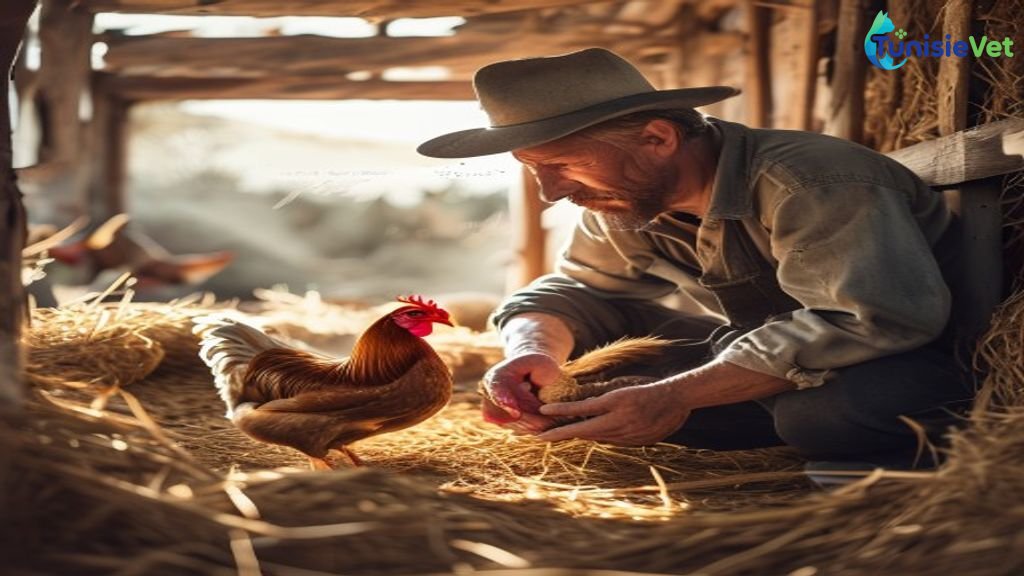
Chicken diseases are one of the top concerns for any poultry keeper, whether you're raising a few hens in the backyard or running a larger family coop. Learning to recognize the early warning signs and following good hygiene practices can prevent many health disasters. This overview covers the most common poultry ailments, the symptoms to watch for, and simple daily habits to keep your flock healthy.
Respiratory diseases: a common risk in chicken keeping
Chickens are especially sensitive to temperature swings and poor air quality, which often leads to respiratory problems. These illnesses spread quickly from bird to bird, particularly in a cramped or poorly ventilated space.
Warning signs to watch for
- Sneezing, coughing, or audible rattling
- Discharge from the eyes or nostrils
- Noisy breathing with an open beak
- Lethargy and ruffled feathers
- Drop in egg production
As soon as these symptoms appear, it's best to isolate the suspected bird from the rest of the flock to limit the spread, then monitor its condition over the following days.
Parasites: a hidden threat to flock health
External parasites (red mites, lice) and internal ones (intestinal worms) gradually weaken chickens without always causing dramatic symptoms at first. A poorly maintained coop creates the perfect breeding ground for them to spread.
How to spot a parasite infestation
- Frequent scratching or excessive feather pecking
- Damaged feathers or bald patches
- Pale comb, a possible sign of anemia
- Weight loss despite a normal appetite
- Diarrhea or abnormal droppings in cases of intestinal worms
Regularly checking the plumage, legs, and perches, especially at night when red mites come out of hiding, helps catch problems early.
Best practices for a healthy flock
Prevention is still a chicken keeper's best tool. A clean, dry, well-ventilated environment greatly reduces the risk of disease.
Essential daily habits
- Clean the coop regularly and refresh the bedding
- Ensure adequate ventilation without direct drafts
- Provide clean, fresh water at all times, changing it more often during hot weather
- Offer a balanced diet suited to the birds' age and production needs
- Avoid overcrowding, which increases stress and disease transmission
- Quarantine any new bird before introducing it to the flock
- Disinfect feeders, waterers, and perches on a regular basis
When should you call a vet for your chickens?
Certain signs call for prompt veterinary attention: marked breathing difficulties, unusual mortality, a sudden drop in egg-laying, persistent diarrhea, or generalized lethargy. An accurate diagnosis from a professional prevents unsuitable treatments and protects the whole flock. It's advisable to contact a vet specialized in chicken care as soon as doubt arises, rather than waiting for symptoms to worsen.
Should you vaccinate your chickens against disease?
Vaccination can be part of a prevention strategy, but it should be discussed with a vet based on the size of your flock, its setup, and local disease risks. In any case, it complements rather than replaces good daily coop hygiene.
By combining careful observation, strict hygiene, and prompt professional help when in doubt, every keeper can give their chickens a healthy environment and keep the most common diseases at bay for good.
Need a professional opinion? If in doubt or in an emergency, find a veterinarian near you on TunisieVet.
Leave a comment
Be the first to comment on this article.