
Chicken Diseases: Warning Signs of a Healthy Flock
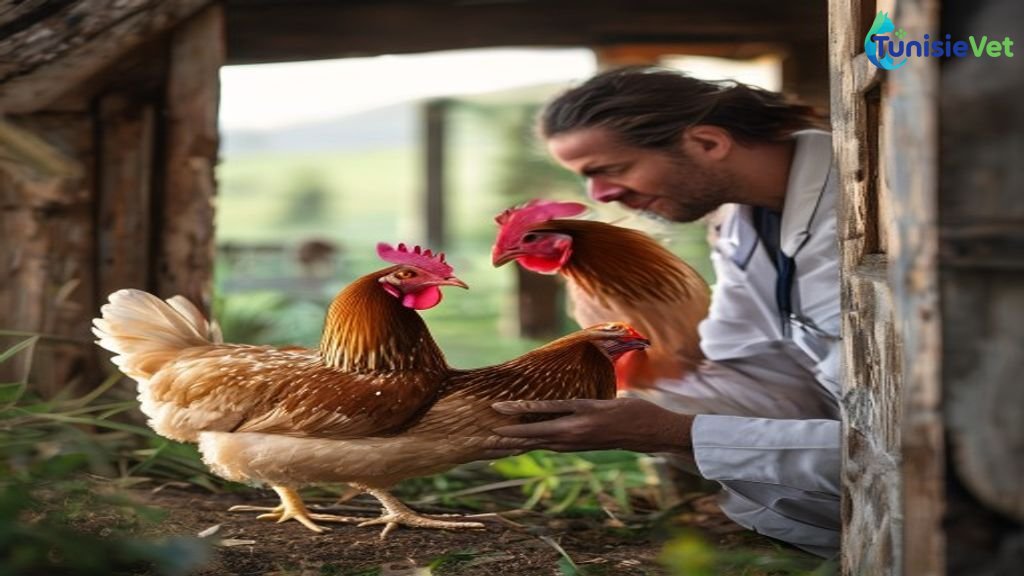
Chicken diseases are something every poultry keeper needs to recognize early, whether you're raising a handful of hens in the backyard or managing a larger flock. Chickens and other poultry live in groups, often in tight quarters, which makes it easy for respiratory infections and parasites to spread quickly. Learning to spot the first warning signs allows you to step in early, reduce animal suffering, and avoid major losses in your flock. Here's an overview of the most common issues and the best practices to keep your flock health in good shape day to day.
Respiratory Disease: A Constant Risk in Poultry Farming
Respiratory problems are among the most widespread issues in chicken keeping. They spread easily through the air, droppings, or shared equipment, and tend to develop especially in coops that are poorly ventilated or too damp.
Warning Signs to Watch For
- Sneezing, coughing, or audible rattling
- Discharge from the eyes or nostrils
- Open-mouth breathing or breathlessness even at rest
- Loss of appetite and drop in egg laying
- Dull feathers and a listless bird staying away from the group
As soon as any of these signs appear, it's best to isolate the affected bird to prevent the infection from spreading to the rest of the flock, monitor how things develop over the next few hours, and seek professional advice if symptoms persist or worsen.
Internal and External Parasites: A Quiet but Common Threat
Parasites, whether internal (intestinal worms) or external (lice, mites, fleas), gradually weaken poultry without always causing dramatic symptoms at first. Their presence lowers overall vitality, slows growth in young birds, and can pave the way for other illnesses by weakening the immune system.
How to Spot Them
- Weight loss despite a normal or only slightly reduced appetite
- Damaged, dull feathers or bald patches
- Excessive scratching, restlessness, or unusual agitation
- Diarrhea or abnormal droppings
- Pale comb, a possible sign of parasite-related anemia
Regularly checking the feathers and skin, especially around the vent and under the wings, often helps catch lice and mites before an infestation gets out of hand.
Good Farming Practices for a Healthy Coop
Prevention remains the best defense against chicken diseases. A clean, dry, well-ventilated environment greatly reduces the risk of infection.
Hygiene and Space Management
- Clean and disinfect the coop, feeders, and drinkers on a regular basis
- Change the bedding frequently to prevent moisture and ammonia buildup
- Ensure adequate ventilation without creating cold drafts
- Avoid overcrowding, which causes stress and speeds up the spread of germs
- Provide fresh, clean water at all times, especially during hot weather
Quarantine and Monitoring
Any new bird brought into the flock should be kept separate for a few days before joining the rest of the group. This simple precaution helps catch any early signs of illness before they can spread. Likewise, checking behavior, appetite, and droppings daily makes it easier to spot problems early.
Diet and Natural Immunity
A balanced diet, suited to the age and production stage of your birds, strengthens their natural defenses against disease. Access to a clean outdoor area, away from damp or stagnant spots, also reduces exposure to parasites and pathogens found in the soil.
If symptoms persist, worsen, or affect several birds at once, it's essential to consult a professional quickly. You can find a specialized practitioner through our directory of chicken veterinarians, who can provide an accurate diagnosis and recommend a treatment suited to your flock.
Should You Vaccinate Your Chickens to Prevent Disease?
Vaccination is one of the prevention tools used in poultry farming, alongside good hygiene and regular monitoring. Which vaccines to use and what schedule to follow depend on your flock's specific situation and should be discussed with a veterinarian, who alone is qualified to assess your coop's actual needs.
Need a professional opinion? If in doubt or in an emergency, find a veterinarian near you on TunisieVet.
Leave a comment
Be the first to comment on this article.