
Mastitis in Livestock: Early Signs You Shouldn't Ignore
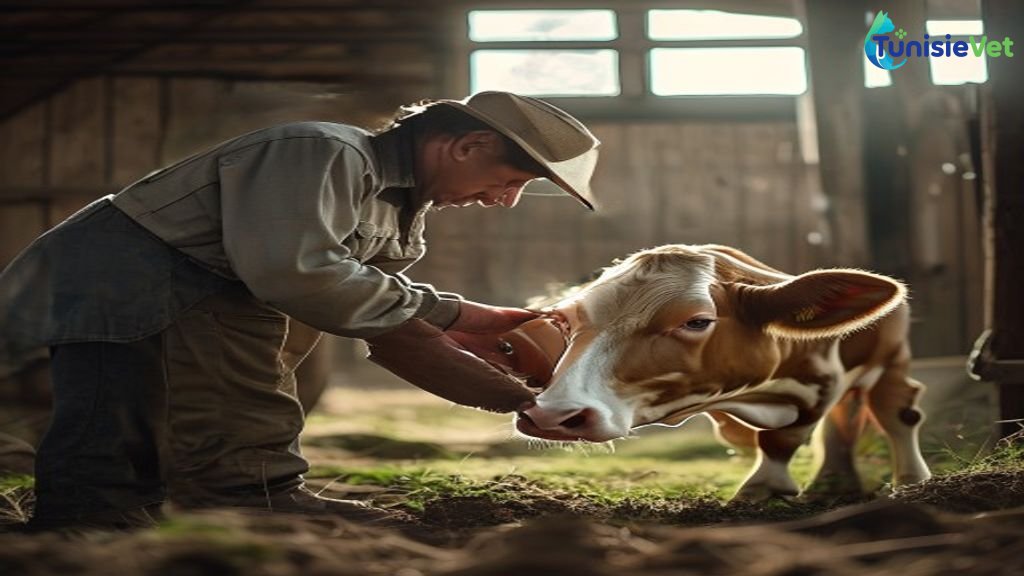
Mastitis in livestock remains one of the biggest threats to a dairy herd's health, whether we're talking about cows, ewes, or goats. This inflammation of the udder, most often caused by infection, can progress rapidly from a mild, barely noticeable discomfort to a severe infection that jeopardizes milk production—or even the animal's life. Recognizing the early signs allows you to act before things get worse, while also limiting the routine use of antibiotics. Here's a practical guide to help you monitor your herd effectively.
Understanding Udder Inflammation in Cows, Ewes, and Goats
Udder inflammation in cows (and in the mammary gland of small ruminants) usually occurs when bacteria enter through the teat, often facilitated by poor hygiene, improper milking technique, or a damp, dirty environment. The mammary gland then responds with inflammation that disrupts both milk production and quality. In cows, since the udder is larger and used continuously, the signs are sometimes more visible; in ewes and goats, the inflammation can stay subtle for longer, which often delays detection.
Early Mastitis Signs You Should Never Overlook
Early mastitis signs are often subtle. Still, an attentive farmer can spot them before serious symptoms appear:
- A slight change in the milk's texture or color (clots, a watery look, a faint yellowish or pinkish tinge)
- Mild warmth or tenderness of the udder when touched during milking
- A gradual drop in milk yield from one quarter or one half of the udder
- Unusual behavior during milking (restlessness, reluctance to be milked)
- Slight swelling or asymmetry between the two halves of the udder
- A subtle decrease in appetite or overall activity
Taken individually, these signals may seem harmless. But their combination, even a mild one, should raise a red flag: the earlier the detection, the higher the chances of a quick recovery without complications.
Simple Tools for Early Detection
A systematic visual and hands-on check of the udder before and after each milking remains the simplest and most effective habit. Checking the first streams of milk against a dark surface also helps spot clots or an abnormal texture that wouldn't be visible in the bucket. Repeated daily, this routine quickly becomes second nature and provides lasting protection for the health of the dairy herd.
Mastitis Treatment in Sheep, Goats, and Cows: Act Without Delay
As soon as an early sign is spotted, a few simple reflexes can prevent things from getting worse:
- Temporarily separate the suspect animal from the rest of the herd to prevent spread
- Milk that quarter or udder last, using separately disinfected equipment
- Do not add this milk to the collection or consumption supply
- Step up hygiene in the bedding, milking area, and the farmer's hands
- Monitor how things evolve over a few milkings before concluding whether it's mild irritation or an established infection
Mastitis treatment in sheep and goats, just like in cows, should always be tailored to each individual case. Routine, unguided use of antibiotics encourages resistance and can harm the overall quality of the milk collected. That's why it's essential to have a professional confirm the diagnosis before deciding on any treatment. Consulting quickly with a veterinarian specialized in cattle care helps you find the most suitable approach, whether that's a local treatment, an adjustment to milking practices, or simply closer monitoring.
Preventing Dairy Infections: Daily Habits That Make a Difference
Preventing dairy infections relies above all on simple but consistent habits:
- Clean and disinfect the teats systematically before and after milking
- Regularly check that milking equipment is working properly and well maintained
- Keep bedding clean and dry to limit bacterial growth
- Avoid injuries or irritation to the teats, common entry points for infection
- Provide a balanced diet to support the animal's natural defenses
- Train anyone involved in milking on proper hygiene practices
Applied consistently, these measures directly contribute to the quality of the milk collected and to the profitability of the farm, all while reducing stress and suffering for the animals.
How Can You Tell If Milk Is Still Safe to Consume After a Mild Case of Mastitis?
As soon as a sign of inflammation or an abnormal texture or color is noticed, milk from the affected udder should not be mixed with the rest of the supply. Only a professional can confirm, after an examination, when the milk is safe for collection again.
Protecting the health of the dairy herd starts with rigorous daily observation and a quick response at the slightest doubt. If a sign persists or you're unsure how to proceed, it's always best to seek advice from a veterinarian specialized in livestock rather than waiting for the situation to worsen.
Leave a comment
Be the first to comment on this article.