
Mastitis in Dairy Cows: Prevention and Natural Care

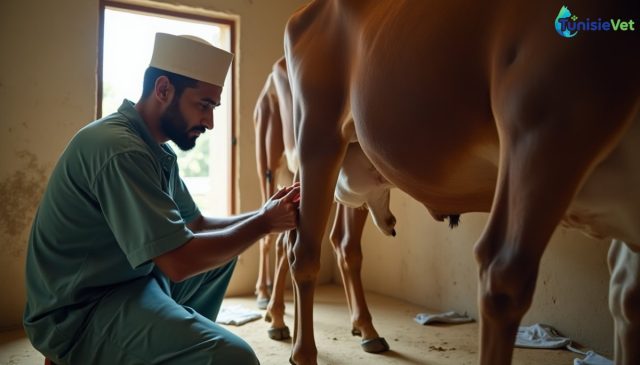
Mastitis is one of the biggest concerns for any dairy farmer in Tunisia, whether managing a handful of cows or a large herd. This inflammation of the udder affects small family farms and modern operations alike, and it can quickly take a toll on milk production as well as the quality of milk sold or processed. Learning to spot the warning signs, practicing good milking hygiene, and knowing a few natural remedies can go a long way in keeping this problem under control year-round.
What is mastitis, and why udder health matters
Mastitis is an inflammation of the udder tissue, most often caused by bacteria, affecting one or more quarters of the udder. It can appear in a clinical form, visible to the naked eye, or in a subclinical form, which is harder to detect but just as damaging to milk quality and overall herd health. Either way, an unhealthy udder means lower milk yield and poorer milk quality, which directly hits the farmer's income.
High-producing cows tend to be more vulnerable, as are animals kept in poor hygiene conditions or milked with poorly maintained equipment. This is why prevention needs to be a constant priority, not just something you think about once symptoms appear.
Warning signs to watch for in dairy cows
Catching mastitis early makes all the difference before things get worse. Here are the main signs to check for on a daily basis:
- An udder that feels warm, swollen, hard, or painful to the touch
- Milk with clots, flakes, or an unusual color
- A sudden drop in milk output from one or more quarters
- Unusual behavior from the animal: restlessness during milking, loss of appetite, general dullness
- Visible redness of the udder skin in more advanced cases
A simple visual check of the milk at every milking, quarter by quarter, remains the easiest and most effective way to catch a problem early.
Milking hygiene: best practices to follow
Most cases of mastitis can be avoided with strict hygiene at milking time. Here are the key steps to follow:
- Clean and thoroughly dry the udder before every milking
- Use a clean cloth or paper towel for each cow, never shared between animals
- Regularly check the condition and cleanliness of milking equipment, whether manual or mechanical
- Dip the teats in a suitable disinfectant solution after milking
- Milk in a logical order, starting with healthy cows before moving on to suspect or already infected ones
- Keep bedding clean and dry, changing it regularly to reduce contact with dirty surfaces
The importance of comfort and environment
A cow that lies down in mud or damp bedding exposes her teats to more bacteria. Keeping the barn clean, ensuring good ventilation, and providing easy access to fresh, clean water all indirectly support udder health and the animal's overall well-being.
Natural remedies and herd support
Alongside good hygiene practices, many Tunisian farmers turn to natural approaches to support udder health and strengthen the animal's defenses:
- A balanced diet suited to the lactation stage, supporting the animal's overall condition
- A steady supply of clean, fresh water, essential for proper bodily function
- Gentle massage of the udder after milking to stimulate circulation
- Traditional use of plants or natural preparations applied locally, always as a complement and never as a substitute for professional advice
- Rest and stress reduction, which play an important role in the animal's natural resistance to infection
It's worth remembering that natural remedies are a preventive support and can never replace proper treatment once mastitis has set in. When clear clinical signs appear, prompt intervention remains essential to avoid complications that could have a lasting impact on the udder and the cow's productive life.
When should you call a vet?
As soon as signs of clinical mastitis appear, or if you have any lingering doubts about the udder's condition, it's strongly recommended to call in a professional. An accurate diagnosis allows treatment to be tailored to each animal and helps prevent the problem from spreading through the herd. You can check the directory of veterinarians specializing in cattle to find a professional near your farm in Tunisia.
Can mastitis come back after treatment?
Yes, a cow that has already had mastitis remains more vulnerable and can suffer a relapse, especially if milking hygiene isn't strictly maintained. Regular monitoring of the udder and consistent adherence to good hygiene practices remain the best protection against recurrence.
Need a professional opinion? If in doubt or in an emergency, find a veterinarian near you on TunisieVet.
Leave a comment
Be the first to comment on this article.

📱 عندك صفحة على فايسبوك؟ باهي… أما وين موقعك؟ الصفحة وحدها ما تكفيش. موقعك يخلي الناس تلقاك، يعرفوك أكثر ويثقو في خدمتك. 🌐 موقع باسم مشروعك 📲 يخدم أربعة وعشرين ساعة 🤝 يعطي ثقة واحترافية .📈 يعاونك تكبّر خدمتك خلّيه موجود وين الناس تلوّج عليه 🚀نعملولك موقع يشرّف مشروعك
WhatsApp