
Mastitis in Goats and Sheep: Early Signs to Catch in Time
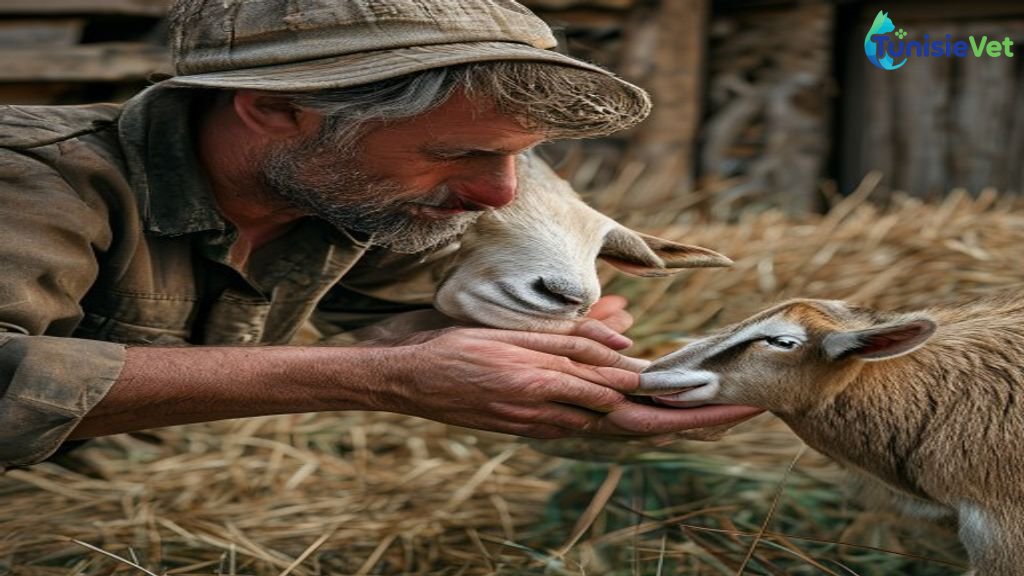
Mastitis in goats and sheep is one of the most feared conditions among small ruminant farmers, and for good reason: it can jeopardize milk production, the mother's health and the survival of her young, all while remaining invisible for several days. Learning to recognize early mastitis signs makes it possible to act before inflammation settles permanently in the udder. This practical guide reviews the subtle symptoms to watch for, the most common causes on farms, and simple prevention habits that make a real difference day to day.
Spotting the early signs of a struggling udder
Mastitis doesn't always show up as a red, swollen udder overnight. Quite often, the first clues are subtle and go unnoticed unless you take the time to regularly observe your animals.
- Localized hardening of the udder: an area that feels firmer, warmer or slightly swollen to the touch, sometimes asymmetrical compared to the other side.
- Abnormal milk in goats and sheep: lumps or clots, stringy texture, a color turning yellowish or pinkish, or a texture that's either more watery or thicker than usual.
- Sudden drop in milk yield with no apparent change in feed or season.
- Changes in the mother's behavior: she may become more restless during milking or nursing, refuse to let her young approach, limp slightly on a hind leg to relieve the udder, or stay away from the herd.
- Subtle loss of appetite and a slight drop in energy, often the very first warning sign, even before the udder changes in appearance.
The best habit is regular udder palpation, ideally at the same time each day, to catch the slightest change in texture or temperature.
Understanding the common causes of a hard, inflamed udder
Several factors contribute to mastitis and udder hardening in small ruminants, and most are directly tied to farming practices and the surrounding environment.
Poor milking hygiene
Dirty hands, poorly maintained milking equipment, or unclean bedding all make it easier for bacteria to enter through the teat. Rough or incomplete milking, which leaves residual milk in the udder, also creates conditions favorable to infection.
Seasonal changes
Sharp weather shifts, excess humidity in winter or intense heat in summer weaken the animal's natural defenses and alter milk quality, leaving the udder more vulnerable.
Genetic and individual factors
Some bloodlines have an udder or teat conformation that makes it easier for germs to get in. The female's age, her number of past lactations, and previous injuries to the udder also play a significant role.
Weaning and housing conditions
Poorly managed weaning, untreated engorgement, or damp, soiled bedding are all aggravating factors that encourage bacterial growth around the udder.
Mastitis prevention on the farm: simple, lasting habits
The good news is that most cases of mastitis can be prevented through simple, low-cost practices that are easy to build into a daily routine.
- Adopt strict milking hygiene for small ruminants: clean hands, disinfected equipment, and teat cleaning before and after milking.
- Always milk in the same order and at regular times to reduce stress and ensure the udder is fully emptied.
- Keep bedding dry, clean and changed frequently, especially during humid periods.
- Check the herd daily: behavior, appetite, gait, and milk appearance.
- Quickly isolate any suspect female to prevent the infection from spreading to other animals and limit contact with the young.
- Provide a balanced diet and constant access to clean water, particularly during seasonal changes.
- Manage weaning gradually to avoid sudden udder engorgement.
As soon as a suspicious sign appears, it's best to act without delay: consulting a professional quickly often prevents the infection from getting worse. For guidance tailored to your herd, it's recommended to reach out to veterinarians specialized in goat health or to veterinarians experienced in sheep farming for an accurate diagnosis and appropriate treatment.
Can mastitis heal without treatment?
Some mild cases of mastitis may ease up on their own if the underlying cause is corrected quickly, but relying on spontaneous recovery is risky. Without proper care, the infection can worsen, cause lasting damage to the udder and affect future milk production. A veterinary opinion remains the safest option at the first sign of doubt.
Need a professional opinion? If in doubt or in an emergency, find a veterinarian near you on TunisieVet.
Leave a comment
Be the first to comment on this article.