
Heat Stress in Livestock: Signs, Water Needs & Fixes
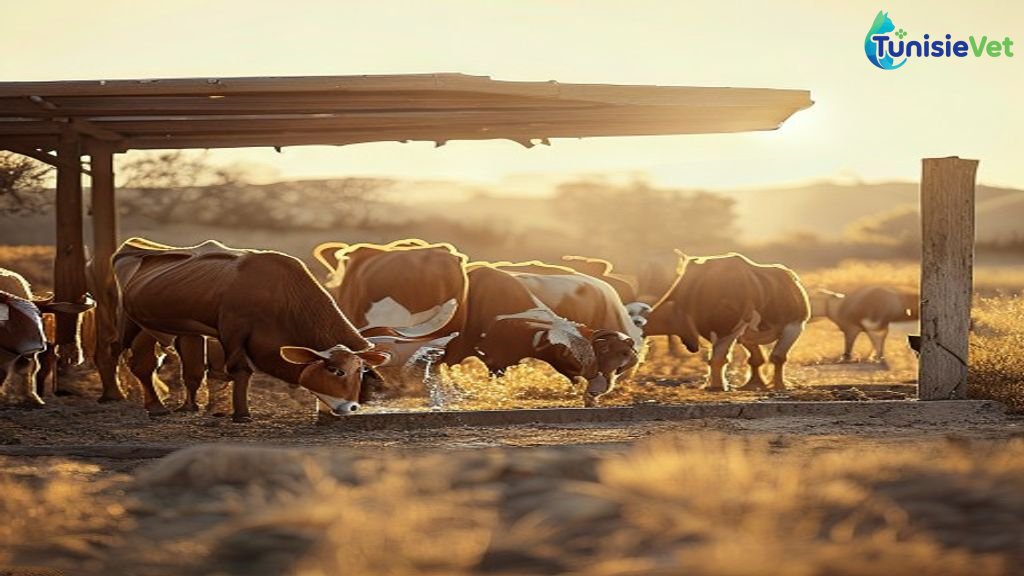
Heat stress in livestock is one of the most underestimated dangers of the hot season for farmers. Cattle, sheep, goats, horses and poultry all struggle with high heat combined with humidity, and heatstroke can strike quickly, sometimes with serious consequences for health and productivity. Recognizing the early warning signs and adjusting farm management can prevent the worst outcomes. Here are the key points to limit losses caused by heat on the farm.
Recognizing the Signs of Heat Stress in Animals
Heat stress builds up gradually before turning into an emergency. The sooner a farmer spots the warning signs, the more effectively they can act.
- Rapid panting and open-mouth breathing, especially in cattle and sheep, which sweat very little.
- Loss of appetite and a clear drop in forage intake.
- Actively seeking shade or water, with animals gathering around cooler spots.
- Reduced activity: the animal stays still, lying down, or conversely becomes unusually restless.
- Excessive drooling and red or congested mucous membranes.
- Drop in output: less milk, fewer eggs, slower growth.
In poultry, wings held away from the body and continuous panting are warning signs that should never be ignored: birds are especially vulnerable to extreme heat.
When Heatstroke Becomes an Emergency
If an animal is staggering, collapses, shows very rapid and shallow breathing, or feels noticeably hot to the touch (hot skin, burning-hot ears), this is a life-threatening emergency. Move it to shade immediately, cool it down gradually, and contact a veterinarian without delay.
Watering Animals: The Top Priority in Summer
Adequate, good-quality water access for animals is the single most effective measure against heat stress. Dehydration rapidly worsens the effects of heat and can, on its own, trigger heatstroke.
- Add more water points across pens and pastures to avoid queues and competition between animals.
- Check several times a day that troughs aren't empty, dirty, or left in direct sunlight (animals drink less water when it's warm).
- Clean water tanks regularly to prevent algae and bacteria buildup.
- Adjust water flow for large herds so every animal can drink freely, without restriction.
- Pay special attention to young animals, nursing females, and older animals, who are more vulnerable to dehydration.
During heatwaves, a healthy animal may drink noticeably more than usual: never restrict access to water is an absolute rule.
Shade, Ventilation and Barn Setup
After water, shade is the second pillar of prevention. An animal left in direct sun with no shelter quickly builds up body heat it can no longer release.
- Provide shaded areas, whether natural (trees) or artificial (shade netting, roofing), accessible to the whole herd at once.
- Improve ventilation in farm buildings: openings, fans, and extractors where possible.
- Avoid overcrowding in pens and buildings, which prevents heat from dissipating.
- Use misting or sprinkler systems where needed to cool the surrounding air, especially in poultry and pig housing.
- Insulate metal roofing, which traps heat strongly.
Practical Steps to Reduce Losses During Heatwaves
Beyond water and shade, a few simple daily adjustments make a real difference during heatwaves.
- Shift daily tasks: moving animals, shearing, vaccinating or transport should happen early in the morning or late in the evening, never during the hottest hours.
- Adjust feeding times: distribute forage during the cooler hours, when appetite is better.
- Limit transport of animals during heat peaks, as it adds extra stress.
- Watch at-risk animals closely: high-producing breeds, pregnant animals, young and elderly animals need extra attention.
- Have an emergency plan ready: know where to quickly find shade, cool water, and a vet's contact in case of confirmed heatstroke.
Whenever there's doubt about an animal's condition, or in case of severe symptoms, it's essential to consult a professional quickly. The vet directory makes it easy to find a practitioner near your farm for advice or emergency care.
How Can You Tell If an Animal Is Having Heatstroke?
Heatstroke shows up as very rapid breathing, sudden weakness, staggering, very red mucous membranes, and sometimes collapse. Move the animal to shade immediately, offer cool (never ice-cold) water, and contact a veterinarian right away, as its condition can deteriorate very quickly.
Leave a comment
Be the first to comment on this article.