
Cattle Abortion: Warning Signs and Pregnancy Loss Prevention
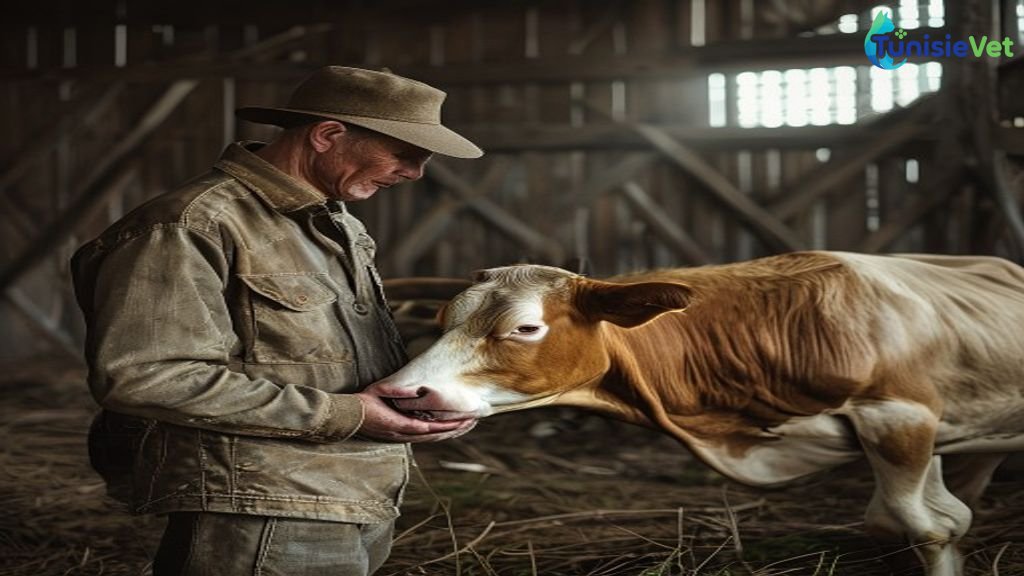
Cattle abortion is one of the most economically and emotionally difficult losses a livestock farmer can face. Pregnant cows, ewes and does can lose their offspring for a variety of reasons: stress, poor nutrition, infections or physical trauma. Recognizing the warning signs of pregnancy problems in time and adopting good practices can significantly reduce these pregnancy losses, often without requiring costly investment. This practical guide covers the common causes and the sustainable prevention measures every farm should put in place.
Common causes of abortion and pregnancy loss in livestock
Before discussing prevention, it's essential to understand what can trigger a pregnancy loss. The causes are numerous and often combined.
Stress: an underestimated factor
Pregnant females are particularly sensitive to sudden changes: transport, rough handling, excessive noise, overcrowding in the pen, or a sudden change of environment. Chronic stress disrupts the hormonal balance needed to maintain pregnancy, especially in late pregnancy when the animal is more vulnerable.
Inadequate nutrition
Poorly balanced nutrition for pregnant livestock is one of the leading causes of pregnancy complications. A deficiency in energy, protein or essential minerals (calcium, phosphorus, trace elements) can weaken the pregnancy, just as overfeeding can lead to excess weight that complicates calving or lambing.
Abortion-causing infections
Certain infectious and parasitic diseases are known to cause abortions in livestock, particularly when the herd isn't properly monitored from a health standpoint. Introducing a new animal without quarantine, contact with sick animals, or an unsanitary environment all increase the risk of infectious abortion in livestock.
Physical trauma
Falls, blows, pushing and shoving between dominant and subordinate animals, or overly forceful handling during care can cause a shock severe enough to end a pregnancy, especially during the last trimester.
Warning signs of pregnancy problems to watch for
An attentive farmer can often spot early warning signs before a pregnancy problem develops. Here are the key signs that should never be ignored:
- Abnormal vaginal discharge (discolored, foul-smelling or excessive)
- Sudden loss of appetite or reduced rumination
- The animal isolating itself from the rest of the herd
- General lethargy, a hunched posture, or unusual lameness
- Abnormal or premature udder swelling
- Contractions or restlessness with no due date near
- Fever or a change in body temperature noticeable when touching the ears
As soon as any of these signs appear, it's advisable to isolate the animal from the rest of the herd to limit any risk of spread, and to seek professional advice promptly.
Managing pregnant females: essential practices
Managing pregnant livestock relies on simple but rigorous routines that can be applied on any type of farm.
Provide nutrition suited to each stage
- Gradually adjust the ration as the pregnancy progresses
- Ensure constant access to clean, fresh water
- Provide licking blocks or mineral supplements if forage quality is poor
- Avoid abrupt diet changes, which disrupt digestion and metabolism
Reduce daily stress
- Handle animals calmly, without shouting or sudden movements
- Limit unnecessary transport and movement in late pregnancy
- Provide enough space to prevent overcrowding and pushing
- Separate pregnant females from dominant or aggressive animals
Prevent infectious risks
- Quarantine any new animal introduced into the herd
- Keep bedding clean and dry, especially around calving or lambing
- Ensure regular health monitoring with an animal health professional
- Clean and disinfect calving or lambing areas between each birth
Set up a safe environment
- Check the condition of flooring to prevent slips and falls
- Secure fencing and remove dangerous obstacles
- Set aside a quiet, sheltered area for the final weeks of pregnancy
What to do if you suspect an abortion
If an abortion occurs or seems imminent, it's important to stay calm, isolate the animal, and observe without intervening abruptly. If possible, keeping the fetus and membranes in a cool place can help identify the cause during a professional examination. Consulting a veterinarian quickly not only helps treat the affected female but also protects the rest of the herd from a potential infectious risk. If you suspect any pregnancy disorder, it's strongly advised to contact veterinarians specialized in cattle and livestock care who can provide a reliable diagnosis and recommend the right course of action.
What are the first signs of abortion in a cow?
The first signs often include abnormal vaginal discharge, loss of appetite, the animal isolating itself, and sometimes fever. As soon as these symptoms are observed, it's recommended to isolate the cow and contact an animal health professional without delay.
Need a professional opinion? If in doubt or in an emergency, find a veterinarian near you on TunisieVet.
Leave a comment
Be the first to comment on this article.