
Livestock Drinking Water Quality: A Guide for a Healthy Herd
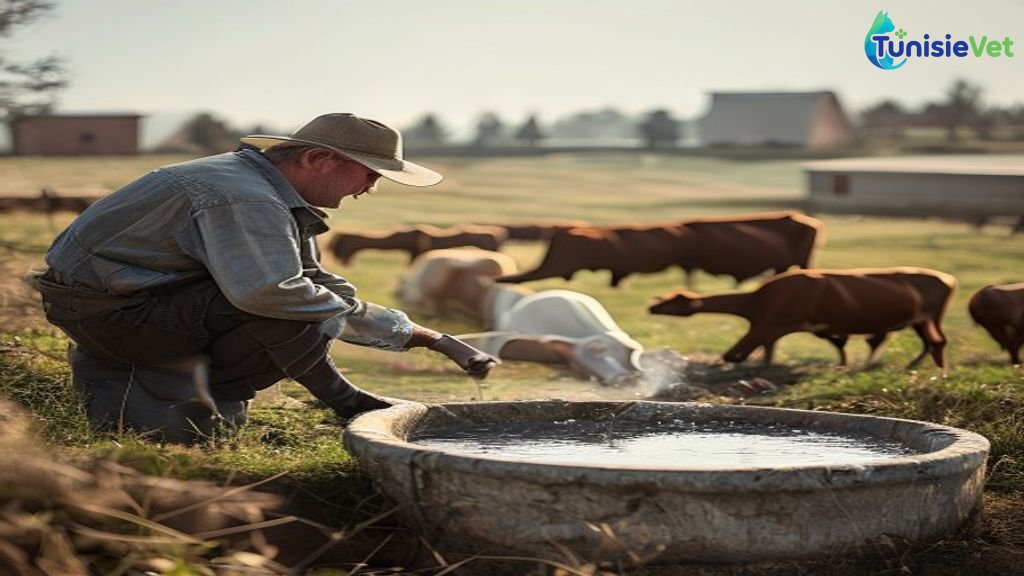
Livestock drinking water quality is often the most overlooked factor in farm health management, even though it directly affects the health, growth and productivity of the entire herd. Contaminated or poorly managed water can trigger digestive disorders, help spread pathogens, and cause a drop in productivity without the cause being immediately obvious. This practical guide reviews the risks linked to poor water quality and the simple daily habits you can adopt to protect your animals, whether cattle, sheep, goats, poultry or horses.
Why drinking water for farm animals deserves constant attention
Water covers an essential part of livestock's physiological needs, often mattering even more than solid feed in the short term. An animal will naturally cut back on its water intake when it is cloudy, foul-smelling or too warm, which leads to lower feed intake, slower growth and reduced milk or egg production. In a Mediterranean climate, water points are especially exposed to heat, evaporation and the growth of algae or bacteria, which calls for closer monitoring during hot spells.
Water contamination in livestock: the main risks to know
Biological contaminants
- Bacteria from faecal matter, animal carcasses or organic waste that falls into drinking troughs
- Parasites and their resistant forms, transmitted through stagnant water
- Algae and biofilms that build up on the walls of poorly maintained tanks and pipes
Physico-chemical contaminants
- Traces of soil, rust or sediment in old, worn-out pipework
- Excess minerals or salts depending on the water source (well, borehole, mains supply)
- Chemical residues from farm treatments carried out near water collection points
These contaminants encourage digestive disorders, diarrhoea and weakened immunity, and can speed up disease transmission between animals sharing the same water point.
Preventing waterborne disease: simple monitoring methods you can put in place
You don't need a sophisticated lab to keep an eye on the essentials of your animals' water quality. A few regular checks are enough to spot a problem early on:
- Daily visual check: look at the colour, cloudiness and any debris or algae in the troughs
- Smell test: an unusual odour (stagnant or chemical) should raise an immediate red flag
- Temperature check: water that's too warm in summer puts animals off drinking and encourages bacterial growth
- Periodic lab testing: have the water tested by a competent laboratory, especially if it comes from an untreated well or spring
- Monitoring animal behaviour: a drop in water intake or unusual drinking habits is often an early warning sign
Trough hygiene: the essential daily habits
Good management starts with regular upkeep of your water equipment. Here are the practices worth building into your farm's daily routine:
- Clean and disinfect troughs, tanks and containers regularly, paying particular attention to the walls where biofilms form
- Replace stagnant water rather than letting it sit for several days
- Keep water points protected from direct access by rodents, wild birds and other potential contamination vectors
- Position troughs in the shade whenever possible to limit warming and algae growth
- Check pipework regularly and repair any visible leak or corrosion without delay
- Where possible, keep drinking points well away from manure or slurry storage areas
These simple measures, applied consistently, greatly reduce the risk of disease spread and contribute to better long-term water management on the farm.
Clean drinking water for animals: when to call in a professional
If, despite strict hygiene practices, you notice reduced water intake, recurring diarrhoea, falling production or signs of illness in several animals at once, don't wait to seek help. A professional can arrange targeted water testing and pinpoint the exact cause before the problem worsens. For a diagnosis tailored to your farm, the veterinarian directory can help you find a practitioner experienced in animal health and herd management.
Frequently asked question: how often should drinking troughs be cleaned?
Troughs should be cleaned several times a week, or even daily during hot weather, since organic build-up and algae develop quickly in lukewarm water. A daily visual check lets you adjust the cleaning frequency to the actual condition of your equipment.
Leave a comment
Be the first to comment on this article.