
Livestock Feed: How to Build a Balanced Ration
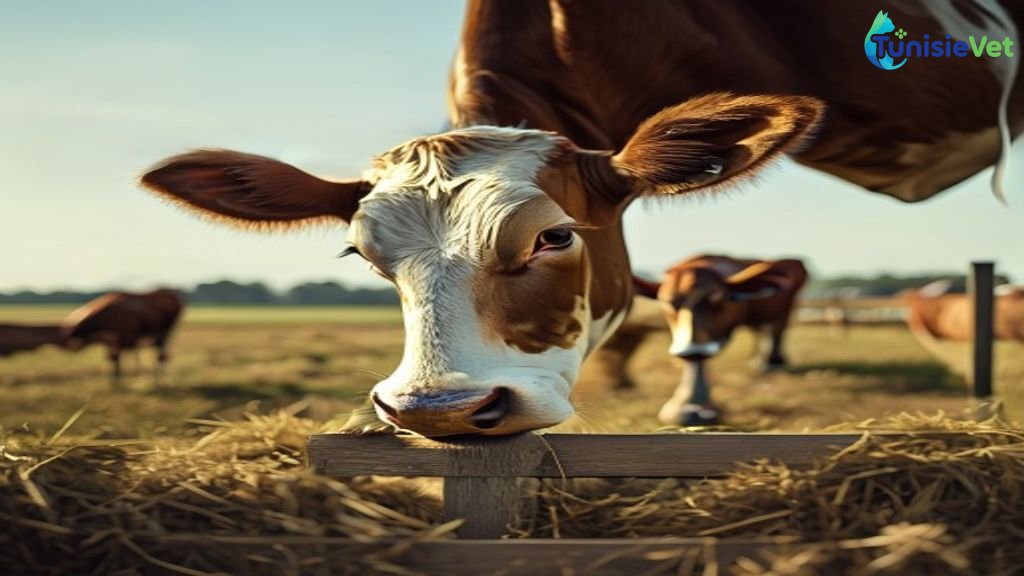
A well-planned livestock feed program is the backbone of any successful farming operation. Whether you're raising dairy cows, beef cattle or a flock of sheep, the cattle ration or sheep ration must be designed around each animal's physiological stage: growth, pregnancy, lactation or maintenance. A poorly balanced ration leads to lower production, digestive problems and a weakened immune system. Here are the essential basics of sound, productive livestock nutrition.
The fundamentals of a balanced ration
A balanced ration must supply energy, protein, fibre, minerals and vitamins in the right proportions. None of these components should be neglected in favour of another, since both deficiencies and excesses have a direct impact on animal health and productivity.
- Energy: sourced from forage and grains, it covers maintenance needs as well as production needs (milk, growth, pregnancy).
- Protein: essential for muscle growth, milk production and reproduction.
- Fibre: crucial for proper rumen function in ruminants, it supports rumination and helps prevent acidosis.
- Minerals and vitamins: calcium, phosphorus, sodium and trace elements support immunity, fertility and bone strength.
Clean, fresh water available at all times rounds out this foundation: an animal that doesn't drink enough eats less and digests poorly, no matter how good its ration is.
Adjusting the ration to each physiological stage
Nutritional needs vary greatly depending on the animal's age and physiological state. A single ration for the whole herd is rarely the best approach.
Growth in young animals
Growing calves, lambs and kids have high protein and energy requirements to support muscle and bone development. A gradual weaning process, combined with quality forage and a suitable concentrate, helps reduce digestive stress.
Pregnancy
During pregnancy, nutritional needs rise sharply toward the end of gestation, as the fetus grows rapidly. Underfeeding at this stage can weaken the mother and compromise the newborn's vitality.
Lactation
This is the most demanding stage: milk production draws heavily on energy, protein and mineral reserves. An inadequate ration causes loss of body condition and a lasting drop in production.
Maintenance
For non-productive adult animals (breeding stock at rest, for example), a simple maintenance ration is enough to keep weight stable without wasting feed.
Forage, concentrates and supplements: striking the right balance
Forage remains the foundation of any cattle or sheep ration: hay, straw, pasture grass or silage. It must be clean, well preserved and free of mould. Concentrates (grains, oilseed meals) supplement energy and protein intake when forage alone isn't enough, especially during periods of high production.
- Prioritise good-quality forage before increasing concentrates.
- Introduce any dietary change gradually, over several days, to avoid digestive upsets.
- Add a suitable mineral-vitamin supplement, particularly during breeding season or hot weather.
- Adjust quantities to the season: energy needs rise as temperatures drop, and water intake must be increased in summer.
Signs of an unbalanced ration
Certain warning signs should alert farmers to a dietary imbalance:
- Abnormal weight loss or gain relative to the animal's physiological stage.
- Dull coat, reduced milk yield or lower fertility.
- Recurring digestive issues (diarrhoea, bloating).
- Lameness or bone weakness, which can point to a mineral deficiency.
If any of these symptoms appear, or to set up a precise feeding plan based on breed, age and production goals, it's best to consult veterinarians specialised in cattle who can assess the herd's body condition and adjust the ration accordingly.
What's the best way to feed a mixed herd of cattle and sheep?
There's no one-size-fits-all ration: cattle and sheep have different nutritional needs and feeding behaviours. It's better to separate groups by species and physiological stage, or adjust concentrate levels according to each group's specific needs, rather than feeding the same ration to the whole herd.
Need a professional opinion? If in doubt or in an emergency, find a veterinarian near you on TunisieVet.
Leave a comment
Be the first to comment on this article.