
Cattle Breed Selection: How to Choose the Right Breed
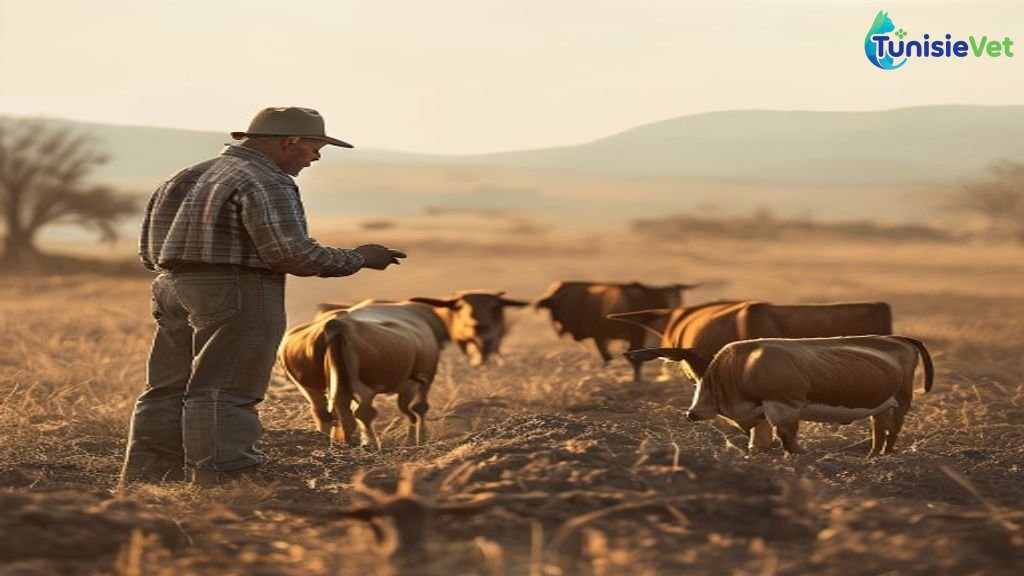
Cattle breed selection is arguably the most strategic decision any farmer will make, whether just starting out or looking to reshape an existing herd. Choosing the right breed isn't simply a matter of preference: it directly shapes profitability, herd health and the long-term viability of the farm. Between dairy breeds, beef breeds, dual-purpose breeds and local breeds suited to the climate, there's an ideal match for every project. This guide offers a straightforward method for identifying the breed that truly fits your goals, your environment and your resources.
Clearly define your farming goal
Before looking at specific breeds, you need to answer one fundamental question: what are you actually trying to produce? This clarity is the starting point when it comes to choosing a dairy cattle breed versus a beef breed.
- Dairy production: dairy breeds are recognizable by their refined build, a digestive system geared toward converting feed into milk, and a generally docile temperament that makes daily milking easier.
- Beef production: beef breeds show well-developed musculature, fast growth rates and an efficient ability to convert forage into muscle mass.
- Dual-purpose farming: some traditional breeds combine decent milk output with satisfactory beef potential, a smart choice for smaller farms looking to diversify income without maintaining multiple herds.
A poorly defined goal from the outset often leads to disappointment: an animal selected for beef will never deliver a satisfactory milk yield, and the reverse is equally true.
Matching the breed to the local climate
Choosing a beef breed suited to the climate is just as important a criterion as productive potential. An animal poorly adapted to its environment will spend a significant share of its energy simply surviving, at the expense of production.
Heat tolerance and adaptability
Heat tolerance in cattle depends on several physiological traits:
- Coat color and thickness, which affect how much solar heat is reflected or absorbed;
- Thermoregulation capacity, since some breeds naturally cope better with high temperatures thanks to more efficient sweating;
- Relative resistance to parasites and diseases that are more common in hot, humid climates.
Tropical cattle breeds, or those originating from semi-arid regions, often carry these natural advantages: they tolerate temperature swings better, make better use of poorer-quality forage, and generally show greater overall resilience under harsh conditions compared with breeds originating from temperate, humid climates.
The value of local breeds
Favoring a local cattle breed brings several concrete benefits: these animals have already been acclimatized over generations, show better resistance to endemic diseases, and typically require fewer veterinary interventions linked to heat stress. They often provide a solid foundation, potentially crossed with more productive breeds to boost yields without sacrificing hardiness.
Assess the resources available on your farm
A breed that looks impressive on paper can turn into an economic failure if it doesn't match the farm's actual resources. Several factors need to be reviewed:
- Forage availability and quality: some high-potential breeds require rich, consistent feed, while others make efficient use of poor pastures.
- Water access: water needs vary by breed and production level; fresh water available in sufficient quantity remains essential, particularly during the hot season.
- Infrastructure and labor: mechanized milking, the availability of shade shelters or ventilation systems all influence the choice between a demanding breed and a hardier one.
- Farmer's expertise: a high-potential breed often requires closer zootechnical and health monitoring.
This honest assessment of available resources is essential to ensuring the long-term economic viability of a cattle operation, far more so than choosing a breed that looks appealing on paper but doesn't suit the real-world context.
Practical criteria to fine-tune your decision
- Look at neighboring farms operating under similar climate and resource conditions;
- Start with a small number of animals to test adaptation before expanding the herd;
- Consider crossbreeding hardy local breeds with productive ones as an interesting compromise;
- Plan ahead for regular veterinary care needs, especially when acclimatizing a new breed.
In every case, guidance from a professional remains invaluable for validating your choices before making any significant investment. It's strongly recommended to consult veterinarians specialized in cattle to assess how well a breed suits your environment and to benefit from appropriate health monitoring right from the animals' introduction.
Which cattle breed should you choose for a hot climate?
For a hot climate, it's best to favor a breed known for its hardiness, heat tolerance and natural resistance to local parasites, rather than a highly productive but fragile breed. Local breeds or crosses with tropical breeds often offer the best balance between production and resilience.
Need a professional opinion? If in doubt or in an emergency, find a veterinarian near you on TunisieVet.
Leave a comment
Be the first to comment on this article.