
Livestock Feed Storage: Preventing Mold and Spoilage
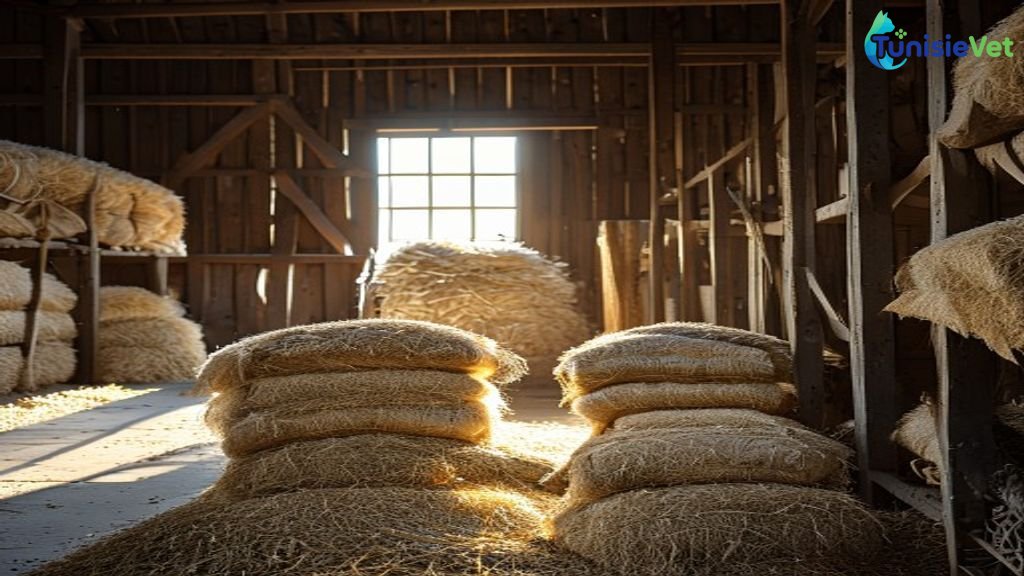
Livestock feed storage is often overlooked, yet it directly affects your herd's health and productivity. In hot, humid climates, forage and grains deteriorate quickly: heat, moisture and poor ventilation encourage mold growth and the formation of dangerous mycotoxins. This practical guide explains how to choose, store and monitor feed to protect your animals while reducing waste.
Why does livestock feed spoil so quickly?
Grains, hay and concentrates are energy-rich organic materials, making them an ideal breeding ground for fungi and bacteria as soon as ambient humidity rises. Three factors speed up spoilage:
- Residual moisture from forage harvested too early or dried improperly.
- Heat, which increases grain respiration and causes condensation inside bags or silos.
- Poor ventilation, which traps warm, damp air against the stored feed.
This feed spoilage prevention process must therefore start right at harvest or purchase, and continue throughout storage.
Choosing the right feed to reduce risks
Feed quality should be assessed before purchase. A few simple checks help you avoid risky batches:
- Choose well-dried forage, free of musty odors or any trace of moisture to the touch.
- Check that grains aren't broken, dull, or clumped together, a possible sign of excess humidity.
- Avoid batches with dark, greenish or whitish spots, which indicate mold already present.
- Buy quantities matched to your herd's actual consumption, to limit how long feed sits in storage.
Careful selection upfront makes long-term forage storage for livestock much easier.
Simple methods for effective grain storage on the farm
Choosing the right storage space
- A dry area, sheltered from rain and rising ground moisture.
- Good airflow, with openings or vents to prevent condensation.
- A raised floor or pallets to keep bags and bales off the damp ground.
Organizing storage day to day
- Stack bags without overcrowding, so air can circulate between rows.
- Follow the first-in, first-out rule: use the oldest batches first.
- Protect silos and bins from rodents and insects, which damage packaging and introduce moisture.
- Avoid mixing a new batch with an older stock that's already been opened.
These simple habits significantly reduce losses linked to poor livestock feed storage, while preserving the nutritional value of the rations.
Recognizing the signs of spoiled feed
Even with good practices in place, regular monitoring of your stock is essential. Watch for these warning signs, and never ignore them:
- A musty, sharp or fermented smell, different from the forage's natural odor.
- Visible mold: white, gray, green or black patches.
- Sticky grains, warm to the touch, or giving off steam in cases of active fermentation.
- Unusual texture: forage that's damp, compacted, or abnormally crumbly.
Any feed showing these signs should be removed from your herd's diet immediately. The main danger is mycotoxin poisoning, which can cause digestive problems, reduced milk production, reproductive issues, or a general weakening of immunity, depending on the animals exposed.
Protecting your herd's health day to day
Beyond storage itself, ongoing vigilance matters: check feeders after every distribution, never force an animal to eat suspicious feed, and regularly clean silos, bins and water troughs. Feed quality preservation depends as much on maintaining your facilities as on choosing the right products from the start.
If you have any doubts about an animal's health after it has eaten suspicious feed, or if you'd like personalized guidance on feeding management for your herd, it's best to consult a professional promptly. You can find a suitable practitioner through the directory of veterinarians for cattle or, for other livestock species, through the general veterinarian directory.
How long can livestock feed be safely stored?
There's no universal time limit: it depends on the type of feed, its initial moisture content, and storage conditions. As a general rule, it's better to rely on fast stock rotation and regular monitoring rather than a fixed shelf life, especially in hot, humid climates.
Leave a comment
Be the first to comment on this article.