
Heat Stress in Livestock: Warning Signs and Life-Saving Steps
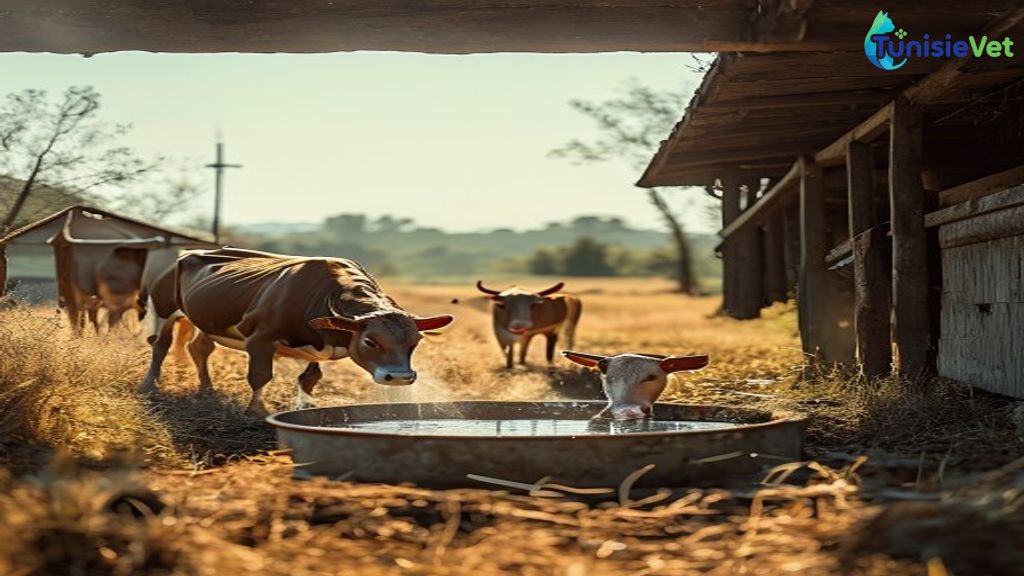
Heat stress in livestock threatens cattle, sheep, goats and poultry on farms every summer. Excessive heat, especially combined with high humidity or a lack of shade, can quickly endanger the health and productivity of farm animals. Knowing how to spot the early signs and act fast helps prevent heavy, often avoidable losses.
Recognizing the signs of heat stress in farm animals
Animals can only express discomfort through changes in behavior and physiology. Learning to observe them daily during hot weather is essential to step in before the situation becomes critical.
- Rapid breathing or panting: cattle, sheep and goats exposed to heat increase their breathing rate to release excess body heat.
- Loss of appetite: an animal that skips its usual feed during hot weather is often trying to limit its metabolic heat production.
- Actively seeking shade or water: animals gather near shaded areas or water troughs, a sign they're trying to cope with the ambient heat.
- Lethargy and prostration: an animal that is unusually still, with its head hanging low, should raise immediate concern.
- Excessive drooling or open mouth/beak: particularly noticeable in cattle and poultry during intense heat.
- Drop in production: reduced egg laying in poultry or lower milk yield in dairy cows is often one of the first measurable warning signs.
These signs can appear gradually or suddenly, especially during midday heat peaks. Regular monitoring, particularly during the hottest hours, helps identify the most vulnerable animals: young ones, elderly animals, pregnant females or high-producing individuals.
Water access: the first line of defense against heat
Sufficient, clean and easily accessible drinking water for livestock is arguably the most important step in limiting the effects of heat. Water needs rise sharply as temperatures climb, since water plays a direct role in the body's thermal regulation.
- Add more water points across pens and pastures to avoid queues and competition between animals.
- Check several times a day that water stays fresh, clean and available in sufficient quantity, especially during peak heat.
- Clean troughs regularly to prevent algae or bacteria buildup, which heat tends to accelerate.
- Place troughs in the shade whenever possible, so the water itself doesn't become a heat source.
An animal that doesn't drink enough is exposed not only to heat stress but also to a higher risk of dehydration, which can quickly worsen its overall condition.
Providing shade and improving ventilation in barns
Beyond water, access to adequate shade is essential. Whether out on pasture or inside a barn, animals need to be able to escape direct sunlight during the hottest hours of the day.
Simple steps you can take
- Set up shelters, shade nets or tree-covered areas in outdoor pens.
- Improve airflow inside livestock buildings: openings, natural ventilation or mechanical fans where possible.
- Avoid overcrowding living spaces: a high stocking density makes the heat feel even more intense for each animal.
- Shift demanding tasks (transport, shearing, handling) to cooler hours, early morning or evening.
- Adjust feeding by cutting back on richer rations during the hottest hours, to reduce heat produced during digestion.
Limiting losses: plan ahead rather than react
Prevention remains the best strategy against heat waves. A simple plan, put together before summer arrives, allows for faster reactions and better protection for the whole herd.
- Identify in advance the most vulnerable animals (young, pregnant or high-producing individuals).
- Set up extra shaded areas and water points before heat peaks hit.
- Train staff or family members working on the farm to recognize the signs of heat stress.
- Keep a trusted veterinary contact on hand in case an animal's condition worsens quickly.
As soon as an animal shows severe signs (marked prostration, inability to move, very fast and shallow breathing), prompt veterinary attention is essential. It's recommended to reach out without delay to a professional through the directory of cattle veterinarians or the general veterinarian directory, depending on the species involved, to get an accurate diagnosis and appropriate care.
Can heat stress affect all types of livestock?
Yes: cattle, sheep, goats and poultry can all be affected by excessive heat, although the signs and sensitivity vary by species. High-producing breeds or those poorly adapted to hot climates are generally more vulnerable. In every case, access to water, shade and good ventilation remains the foundation of prevention.
Leave a comment
Be the first to comment on this article.