
Heat Stress in Livestock: Signs, Prevention & Key Actions
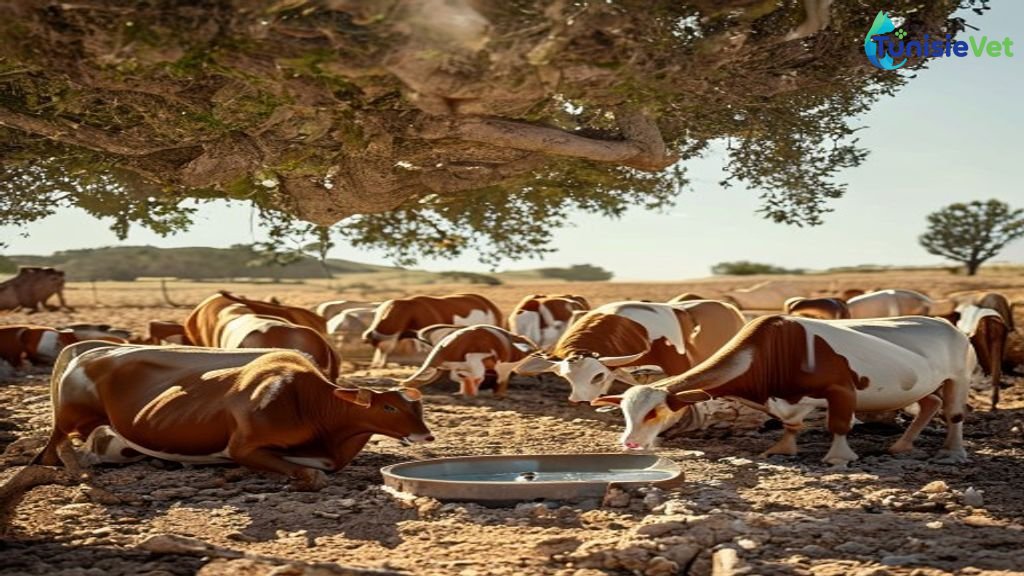
Heat stress in livestock is one of the biggest threats to farms during periods of intense heat. Cattle, sheep, goats and poultry all struggle with high temperatures combined with high humidity, and the consequences can range from a simple drop in production to animal losses if nothing is done. Learning to recognize the warning signs and putting a few simple measures in place can prevent the worst during heatwaves.
Recognizing the signs of heat stress in farm animals
Before talking about prevention, it's essential to know how to spot the symptoms that show an animal is suffering from the heat. The earlier you notice them, the easier it is to step in before any lasting harm is done.
- Rapid breathing or panting: cattle, sheep and goats breathing quickly with an open mouth are trying to release excess heat.
- Loss of appetite and reduced rumination: a heat-stressed animal eats less to limit the internal heat produced by digestion.
- Actively seeking shade or water: animals gather near water points or shaded areas, sometimes abandoning grazing altogether.
- Lethargy or a prostrate animal: a noticeable drop in activity, an animal lying apart from the group or unresponsive, should raise immediate concern.
- In poultry: wings held away from the body, panting, reduced egg-laying, and birds sitting motionless on the ground.
As soon as one or more of these signs appear across several animals in the herd at the same time, act right away: move them to shade, provide cool water, and keep a close watch on them.
Livestock watering: the first line of defense against heat
Providing enough clean, cool water for livestock is the single most effective way to limit the effects of heat. Water needs rise sharply as temperatures climb, and a lack of water quickly makes heat stress worse.
Good watering practices in summer
- Set up multiple water points to avoid queues and competition between dominant and subordinate animals.
- Check several times a day that troughs aren't empty, dirty or blocked.
- Place water points in the shade whenever possible to keep the water cooler.
- Clean troughs and drinkers regularly to prevent algae and bacteria buildup, which puts animals off drinking.
- For poultry, make sure water stays available at all times, including during the hottest hours of the day.
An animal that doesn't drink enough struggles to regulate its body temperature, which speeds up the onset of heat exhaustion.
Managing heat on the farm: adapting the environment to protect your herd
Beyond water, managing heat on livestock farms also relies on simple adjustments that reduce direct sun exposure and improve air circulation.
Provide adequate shade
- Set up natural shaded areas (trees) or artificial ones (sheds, tarps, shade netting) large enough for the whole herd to use at once.
- Avoid overcrowding in shaded areas, as this restricts airflow and locally increases the heat animals actually feel.
Improve ventilation in barns and housing
- Open doors and windows in farm buildings to create airflow.
- Use fans wherever possible, especially in poultry operations where high animal density amplifies heat.
- Reduce stocking density in confined spaces during the hottest periods.
Adjust working hours around the animals
- Shift physical tasks (transport, shearing, care) to the cooler hours, early morning or late in the day.
- Avoid any stressful handling or movement of animals during peak heat.
- Adjust feeding times to favor cooler hours, since digestion itself generates internal heat.
Essential steps to limit losses during extreme heat
When a heatwave settles in for an extended period, a few extra habits can help limit the risk of losses in the herd:
- Check on the most vulnerable animals daily: young ones, older animals, pregnant females, or those already unwell.
- Wet down certain areas (the ground, or the animals themselves in the case of cattle) to encourage cooling through evaporation.
- Limit animal transport during peak heat periods.
- Prepare an action plan for prolonged heatwaves: extra water points, additional shade, and closer monitoring.
- Never ignore a prostrate animal or one refusing to drink: quick action can make all the difference.
If you're unsure about an animal's condition, or if several animals in the herd show worrying signs despite the measures taken, it's essential to reach out to a professional promptly. You can browse the directory of veterinarians specialized in livestock and farm animals to find a practitioner able to step in and advise on the right measures for your herd.
How can you tell if an animal is truly suffering from heatstroke?
An animal experiencing heatstroke typically shows very rapid breathing, extreme weakness, refuses to move or eat, and may appear disoriented. These signs, especially if they affect several animals at once, are an emergency: move the animal to shade immediately, offer cool water, and contact a veterinarian without delay.
Leave a comment
Be the first to comment on this article.