Heat Stress in Chickens in Tunisia: Daily Prevention Tips

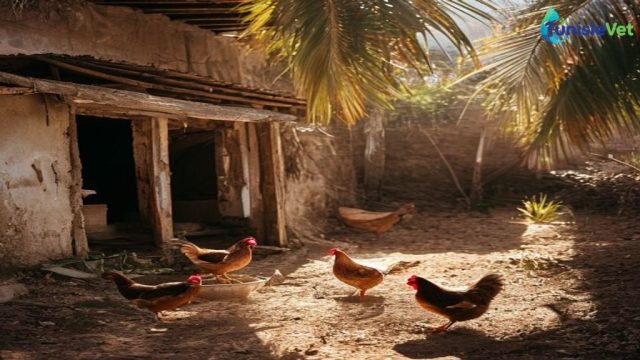
Heat stress in chickens in Tunisia isn't just about the dramatic heatstroke collapse that strikes on a scorching afternoon. Long before a bird is panting on the ground with wings splayed out, its body is quietly fighting excessive heat, day after day, throughout the summer. For Tunisian keepers, whether you have a handful of hens in the backyard or a small semi-professional flock, understanding this daily wear and tear is essential to protect egg laying, growth and overall flock health. This article offers practical, low-cost, passive solutions suited to the local climate and everyday realities.
Spotting the subtle signs of ongoing heat stress
Before a bird collapses, it shows more subtle warning signs that keepers should learn to catch early.
- Frequent panting with an open beak, even outside the hottest hours
- Wings slightly held away from the body to help release heat
- Gradual drop in feed intake
- Reduced egg laying or thinner, more fragile shells
- Lethargy, with birds standing motionless in the shade for long stretches
- Comb and wattles looking paler than usual
These symptoms are often overlooked because they don't seem urgent, yet they point to declining egg production in hot weather: a hen that spends her energy regulating her body temperature has less left over for laying eggs or growing.
Improving shelter and natural airflow in the coop
The quality of the housing is the first line of defence against heat, well before any short-term fix.
Designing a coop for hot weather
- Choose a light-coloured or reflective roof rather than a dark one, which absorbs more solar heat
- Add insulation or an air gap under the roofing to reduce heat transfer inside
- Position the coop in the shade of trees or buildings, ideally oriented to avoid direct sun during the hottest hours
Encouraging natural cross-ventilation
- Add more mesh-covered openings on opposite sides to create a through-breeze
- Avoid overcrowding: fewer birds per square metre means less body heat building up in the space
- Keep bedding thinner in summer, since thick litter can trap moisture and heat
- Set up windbreaks or woven screens around the outdoor run to create shifting shaded areas throughout the day
Summer hydration for chickens: the top priority
Water is the single most important cooling tool a chicken has, even more so than feed during periods of intense heat.
- Add extra drinking points to prevent queues and ensure weaker or lower-ranking birds aren't shut out
- Refresh the water several times a day so it stays cool, especially if drinkers sit in direct sun
- Place drinkers in the shade whenever possible
- Clean containers regularly to prevent bacteria, which multiply faster in the heat
- Check that chicks and weaker birds can reach the water without being pushed away by stronger flock mates
A well-hydrated hen copes better with heat stress and keeps a steadier appetite, which directly supports egg laying.
Adjusting feeding and management routines
Beyond shelter and water, a few simple changes to daily management make a real difference for poultry welfare in hot climates.
- Offer a larger share of the daily feed early in the morning and later in the evening, when temperatures are milder and appetite is better
- Avoid handling or moving birds during the hottest hours, which adds unnecessary stress
- Give access to cool or slightly damp ground (a shaded dust-bathing spot) where chickens can naturally cool down
- Watch group behaviour: birds that isolate themselves, stop roosting normally, or change their usual social habits may be signalling heat discomfort
These simple habits, repeated daily throughout the hot months, help prevent stress from building up and protect the flock's overall health over time.
When should you call a vet?
If, despite these preventive measures, you notice a persistent drop in egg laying, clear signs of weakness, unusual mortality, or symptoms that don't improve with shade and hydration, it's best to seek professional advice. A poultry veterinarian can assess your flock's condition, rule out other causes (parasitic or infectious), and recommend measures tailored to your setup.
What's the best way to cool a chicken coop without electricity?
Combining good cross-ventilation, natural shade (trees, screens) and regularly refreshed cool water remains the most effective and accessible solution. These passive methods, requiring no electrical equipment, are usually enough to keep most small Tunisian flocks comfortably cool.
Need a professional opinion? If in doubt or in an emergency, find a veterinarian near you on TunisieVet.
Leave a comment
Be the first to comment on this article.

Be among the first to use our app. Sign up and get early Google Play access.
Discover