
Livestock Vaccination: How to Protect Your Herd Effectively
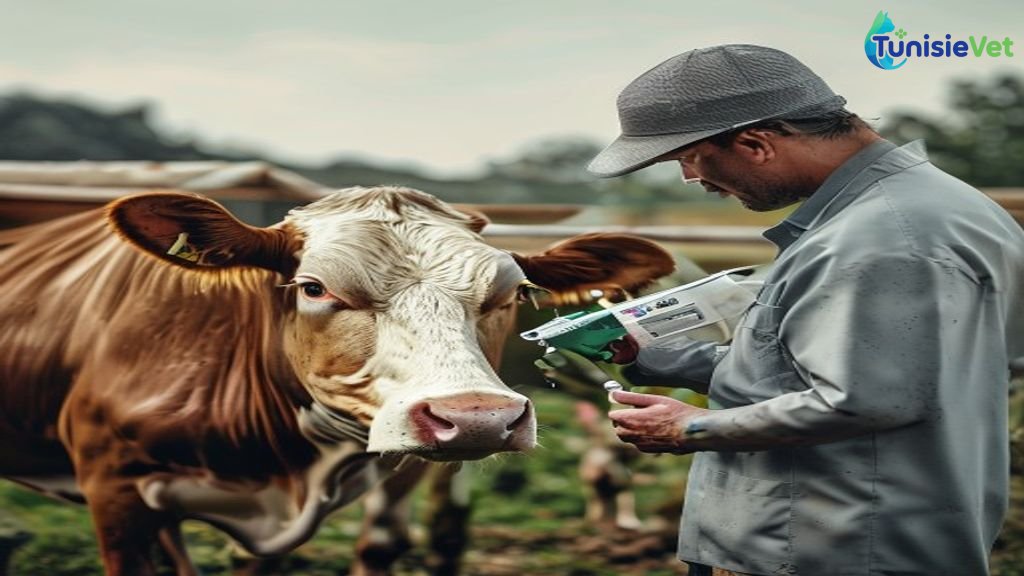
Livestock vaccination is one of the cornerstones of a healthy, profitable farming operation. Whether you raise cattle, sheep, goats or camels, protecting your herd against preventable infectious diseases isn't a luxury—it's an economic and health necessity. Sound farm disease prevention helps limit losses, maintain animal productivity, and stop the spread of diseases that can sometimes pass to humans. In this article, we look at the role of vaccination, the diseases most commonly targeted, and how to organize effective monitoring with the help of a veterinarian.
Why vaccinate your herd?
Vaccination works as a preventive barrier: it stimulates the animal's immune system so it can recognize and fight off a pathogen before illness even sets in. For a farmer, this translates into several concrete benefits:
- A reduced risk of serious diseases that can lead to animal deaths or abortions.
- Better growth and more consistent milk or meat production.
- Less reliance on curative treatments, which are often costlier and more demanding than well-managed prevention.
- Collective protection for the herd: the more animals vaccinated, the more the spread of the pathogen is slowed down.
- Stronger health safety for farmers themselves, since some animal diseases can be transmitted to humans.
Vaccinating is therefore an investment in the long-term viability of your farm, rather than a way of dealing with the sometimes severe consequences of an uncontrolled outbreak.
The main diseases preventable through vaccination
Depending on the species raised, several infectious or viral diseases can be effectively prevented with a suitable vaccination protocol. Without going into region-specific technical details, the following conditions are commonly seen:
In cattle
- Infectious respiratory diseases, which particularly affect young calves.
- Enterotoxemia and bacterial digestive infections.
- Certain abortive diseases that can seriously impact herd reproduction.
In sheep and goats
- Enterotoxemia, very common and often fatal if not prevented.
- Respiratory diseases affecting newborn lambs and kids.
A veterinarian is best placed to identify, based on the geographic area, the farm's history and the type of animals involved, the priority diseases to cover in the vaccination schedule.
Setting up a suitable vaccination schedule
Successful disease prevention doesn't rely solely on choosing the right vaccines, but also on strictly following a schedule. Here are a few general principles to keep in mind:
- Vaccinate young animals as soon as their maternal immunity starts to wane, the period when they become most vulnerable.
- Stick to booster shots: a single injection is usually not enough to ensure lasting protection.
- Adapt the schedule to the seasons, since certain diseases are more active at specific times of the year.
- Vaccinate ahead of high-risk periods, such as introducing new animals into the herd or gatherings (markets, seasonal migration).
- Keep a record of vaccinations given to each animal or group, so no booster is missed.
Such a schedule should remain flexible and be reviewed regularly based on how the herd evolves and on professional recommendations.
The importance of veterinary follow-up
Vaccination alone isn't enough to guarantee a herd's health. It needs to be part of a broader health management approach that includes:
- Regular observation of the animals' behavior and general condition.
- Good hygiene in barns and grazing areas.
- A balanced diet, essential for an effective immune response.
- Access to clean, fresh water year-round.
- Regular visits from a professional to fine-tune the vaccination protocol and catch potential issues early.
Working with a qualified professional means getting a protocol that's truly suited to your herd, your region and your farming conditions. You can consult veterinarians specialized in cattle care or, depending on your herd, browse the full list of practitioners in the veterinarian directory to organize a tailor-made prevention plan.
How often should a herd be vaccinated?
The frequency depends on the type of vaccine, the species and the local health context. Some vaccines require an annual booster, while others call for several closely spaced injections in young animals. The safest approach is to work with a veterinarian to set up a personalized schedule and follow it carefully to ensure continuous protection for your herd.
Leave a comment
Be the first to comment on this article.