
Livestock Vaccination: How to Protect Your Herd
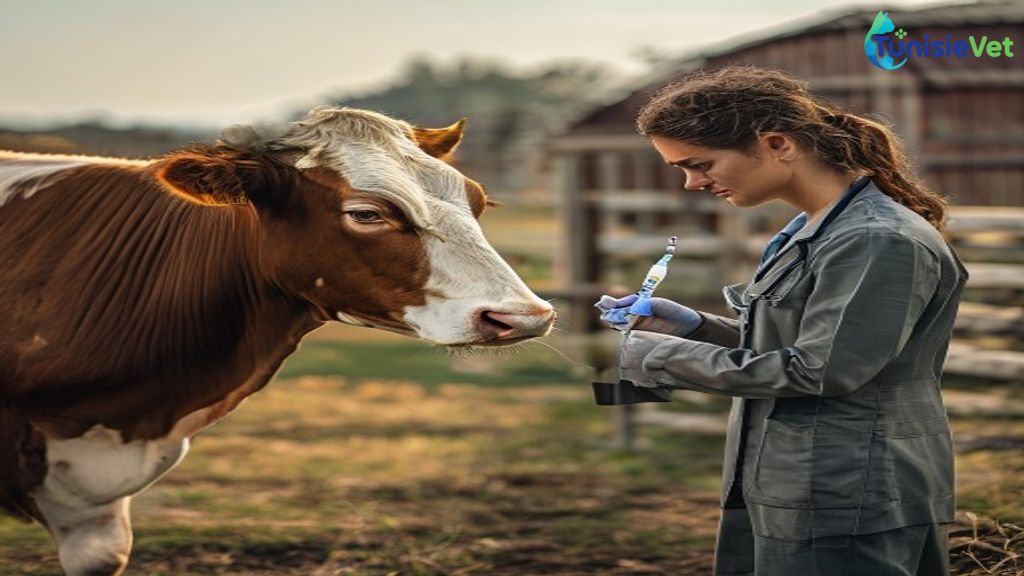
Livestock vaccination is one of the pillars of disease prevention in farming. Whether you raise cattle, sheep, goats or camels, protecting your herd against infectious diseases is not a matter of convenience: it's a necessity for animal health, farm profitability, and sometimes even public health. A well-designed vaccination program, combined with regular veterinary follow-up, helps prevent significant economic losses and a great deal of avoidable animal suffering.
Why disease prevention is essential in farming
Disease prevention in livestock farming refers to the full set of preventive measures aimed at avoiding the emergence and spread of disease within a herd. Vaccination is the central tool, as it stimulates animals' immunity before they are even exposed to an infectious agent.
- It greatly reduces the risk of outbreaks within the herd.
- It limits the spread of diseases between animals, and sometimes between animals and humans.
- It reduces reliance on curative treatments, which are often more costly and more stressful for the animal.
- It safeguards production (milk, meat, breeding) over the long term.
An unvaccinated herd remains vulnerable even when no signs of disease are visible: many pathogens circulate silently before triggering a sudden outbreak that can be difficult to control once it starts.
Main diseases that vaccination can prevent
In cattle, sheep, goats and camels, several serious infectious diseases can be largely prevented through appropriate vaccination. These include:
- Respiratory diseases, which particularly affect young animals and can cause significant growth losses.
- Infectious digestive diseases, responsible for severe diarrhea in young animals.
- Vector-borne diseases (ticks, insects), which can weaken the herd over the long term.
- Abortive diseases, which jeopardize breeding and therefore the sustainability of the farm.
- Zoonotic diseases, whose prevention in animals also protects farmers and their families.
The choice of vaccines depends on the species, the age of the animals, the geographic area, and local health risks. This is why a generic vaccination plan should never replace an individual assessment by a professional.
How to protect your herd: building a vaccination schedule
To protect your herd effectively over time, vaccination needs to be part of a structured, regular schedule rather than a series of one-off interventions.
Key steps for a solid vaccination schedule
- Have the herd assessed by a veterinarian to identify the specific risks facing your farm.
- Set up an annual schedule that takes breeding, calving/lambing and weaning periods into account.
- Vaccinate young animals as soon as their immune system allows, following the vet's recommendations.
- Plan regular booster shots, since the immunity provided by a vaccine fades over time.
- Keep an accurate record of all vaccinations (date, animal, product used) to ensure traceability.
Additional best practices
- Isolate new animals before introducing them to the herd, to check their health status first.
- Ensure a balanced diet and access to clean water, since a weakened animal responds less well to vaccination.
- Maintain proper hygiene conditions in barns and enclosures.
- Respect the cold chain and proper storage conditions for vaccines, which lose their effectiveness if poorly stored.
The essential role of veterinary follow-up
No vaccination campaign can replace regular veterinary follow-up. A veterinarian doesn't just administer vaccines: they assess the herd's overall health, adjust the protocol as health risks evolve, and advise farmers on hygiene and management practices.
Regular follow-up also helps detect early signs of disease before it spreads to the whole herd. Working with a professional to set up and adjust your farm's vaccination program remains the best guarantee of a healthy herd. You can consult a veterinarian specialized in cattle, or browse our broader directory of veterinarians to find a professional suited to your type of farm.
How often should you vaccinate your herd?
The frequency depends on the type of vaccine, the species, and local risks: some vaccines require an annual booster, others more frequent ones. Only a veterinarian can establish a precise schedule tailored to your farm, based on the herd's health history and the region.
Leave a comment
Be the first to comment on this article.