
Livestock Vaccination: How to Protect Your Herd Effectively
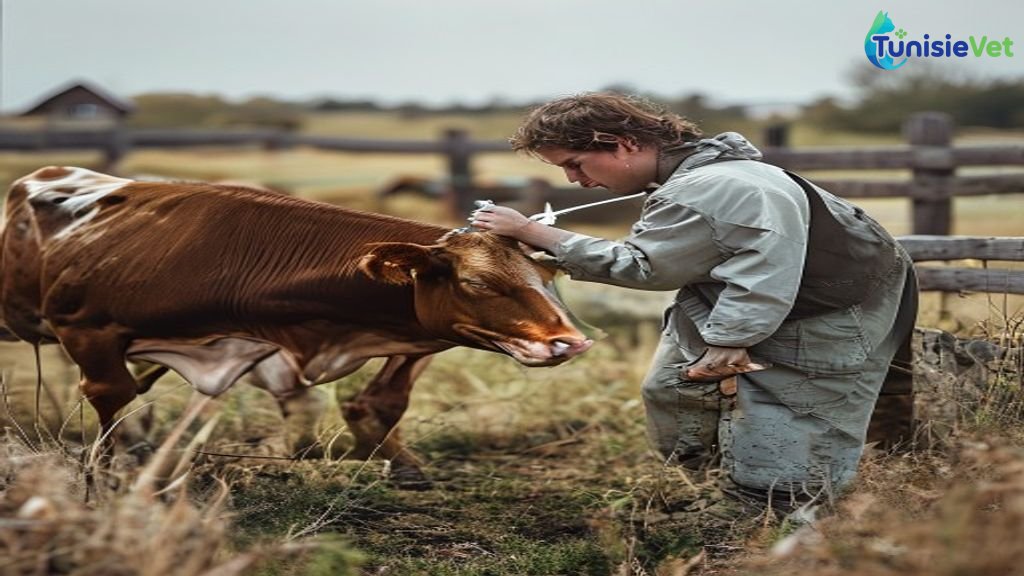
Livestock vaccination is one of the pillars of animal health on any farm. Whether you raise cattle, sheep or goats, protecting your herd against infectious disease is not something to improvise: it relies on genuine livestock disease prevention, carefully planned and followed through over time. A properly vaccinated animal means a lower risk of contagion, preserved productivity, and a farmer who can face health challenges with greater peace of mind.
Why vaccination is essential to protect your herd
On a farm, animals often live in groups, and may come into contact with other herds during gatherings, seasonal migration or sales. This close proximity allows pathogens to spread quickly. Vaccination boosts an animal's immune defences before it is exposed to disease, reducing the severity of symptoms, lowering mortality, and limiting spread to the rest of the herd.
Beyond individual protection, vaccinating an animal contributes to herd immunity: the wider the vaccination coverage across the herd, the lower the chances of a disease becoming established long-term. It's therefore an individual action with a collective impact, benefiting the whole farm and sometimes neighbouring herds as well.
Concrete benefits for farmers
- Reduced economic losses linked to disease (mortality, lower milk yield or slower growth).
- Less reliance on curative treatments, which are often more costly and demanding.
- Better resale value for animals, since a healthy herd is more appealing to buyers.
- Greater peace of mind against seasonal health risks or those linked to animal movements.
The main diseases vaccination can prevent
Each species and each region faces its own specific health risks, but certain families of infectious diseases are a recurring concern for cattle, sheep and goat farmers. Broadly speaking, these include:
- Respiratory diseases, which particularly affect young animals and spread quickly when animals are kept close together.
- Digestive diseases causing diarrhoea and dehydration, especially in newborns.
- Abortive diseases, responsible for pregnancy losses and reduced fertility.
- Diseases transmitted by insects or other vectors, more common during seasonal changes.
Only a veterinarian can determine, based on your geographic area, the type of farming and health history, which vaccinations should truly be prioritised for your herd. There is no one-size-fits-all protocol: every farm deserves an individual assessment.
Building a vaccination schedule that fits your herd
A well-designed vaccination schedule is the backbone of successful disease prevention. It's not just about vaccinating "from time to time", but following a consistent rhythm based on:
- The age of the animals: young animals often need an initial protocol with several injections, followed by regular boosters.
- The reproductive cycle: certain vaccinations are scheduled before breeding or during pregnancy to protect both the mother and the newborn.
- The season: some risks increase at specific times of the year, particularly during weather changes or periods of increased activity of certain insect vectors.
- Animal movements: purchases, sales, seasonal migration or participation in gatherings all raise the risk of introducing disease and call for heightened vigilance.
Keeping an up-to-date health record, including vaccination dates, upcoming boosters and observations on the herd's condition, makes monitoring much easier and helps avoid oversights.
Best practices when vaccinating
- Maintain the cold chain for vaccine storage, as many vaccines are sensitive to heat.
- Vaccinate animals that appear healthy, avoiding periods of significant stress (transport, weaning, extreme heat).
- Use clean, appropriate equipment for each injection to prevent cross-contamination.
- Monitor animals in the hours following vaccination to catch any adverse reaction early.
The importance of ongoing veterinary follow-up
Vaccination alone is not enough: it must be part of a broader approach to herd health monitoring. A veterinarian helps the farmer adjust the vaccination schedule as the herd evolves, advises on nutrition, barn hygiene, quarantine management for new arrivals, and steps in quickly whenever disease is suspected.
Regularly consulting a professional also means benefiting from early diagnosis in case of unusual symptoms, which limits both disease spread and losses. To organise this kind of follow-up, it's recommended to consult veterinarians specialised in cattle or to use the directory of veterinarians to find a professional near your farm, whatever type of livestock you raise.
How often should you revaccinate your herd?
The frequency of boosters depends on the vaccine used, the species, and the local health situation: some boosters are given annually, while others are needed more frequently for young animals. Your veterinarian will determine the exact schedule best suited to your herd and its specific situation.
Leave a comment
Be the first to comment on this article.