
Goat and Sheep Digestion: Feeding Your Herd Season by Season
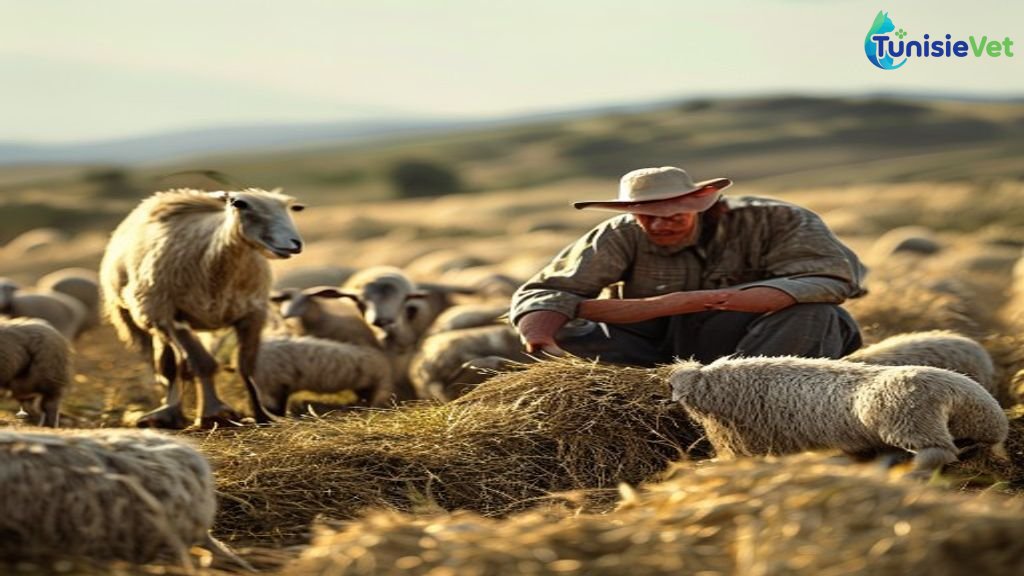
Goat and sheep nutrition can't be handled the same way all year round: what works perfectly in spring can trigger serious digestive trouble in summer or winter. Ruminant digestion relies on a delicate balance between forage, water and the microorganisms living in the rumen. A sudden change in feed, forage that's too rich or too poor, and the whole digestive balance of the flock can tip over. Here's how to adjust your goats' and sheep's rations season after season, without waste or unnecessary extra cost.
Understanding small ruminant digestion to feed them better
Goats and sheep are ruminants: their four-compartment stomach, including the rumen, houses a population of microorganisms that ferment plant fibres. This microbial balance is sensitive to abrupt dietary changes. Any transition should be gradual, spread over several days, to give the rumen flora time to adapt.
Two simple rules help avoid most problems:
- Introduce any new feed (forage, concentrate, supplement) very gradually.
- Always ensure access to clean, fresh water, essential for proper rumen function.
Seasonal feeding: adapting nutrition throughout the year
Spring: young grass, rich but risky
Spring grass is highly palatable and rich in water and protein, but low in structural fibre. Moving animals to pasture too quickly can cause diarrhoea and bloating. It's best to:
- Offer a bit of dry forage (hay) before turning animals out to pasture, to avoid excessive intake of young grass on an empty stomach.
- Gradually increase grazing time over one to two weeks.
Summer: heat, dry forage and careful water management
In summer, forage for goats and sheep becomes scarce and dries out in the field, losing nutritional value. Heat also naturally reduces animals' appetite. At this time, it's important to:
- Distribute forage during the cooler hours (early morning, evening).
- Set up multiple water points in the shade, keeping water fresh, since animals naturally drink less if water is warm or too far away.
- Compensate for poorer pasture quality with good-quality hay if ewes or goats are visibly losing body condition.
Autumn: regrowth and a measured transition
Autumn regrowth, after the first rains, resembles spring grass: young, high in water, low in fibre. The same precautions apply, with a gradual transition and dry forage as a supplement to help stabilise digestion.
Winter: stored forage and higher energy needs
In winter, animals burn more energy to maintain their body temperature, especially females in late pregnancy. Available forage is mainly stored feed (hay, straw, silage). It's important to:
- Check the quality of stored forage (no mould, good smell), since spoiled forage is a common cause of digestive upsets.
- Increase the ration for pregnant or lactating females, whose needs rise sharply in late pregnancy.
- Introduce any extra concentrate gradually, so as not to unbalance a rumen accustomed to a mostly fibrous diet.
Common mistakes that cause poor digestion in goats and sheep
Some practices, though they may seem harmless, are behind many digestive imbalances:
- Abruptly switching forage or pasture without a gradual transition.
- Feeding too much concentrate at once, which can cause rumen acidosis.
- Letting hungry animals loose on very rich grass, encouraging excessive, rapid intake.
- Neglecting water, even though it's essential for proper rumen fermentation.
- Ignoring early warning signs: bloating, loss of appetite, soft droppings or changes in behaviour at the water trough.
Preventing seasonal digestive problems in sheep and goats
Beyond feed rations, a few good habits help limit digestive problems in sheep and goats:
- Check the flock's body condition and feeding behaviour daily.
- Adjust rations for smaller groups based on their needs (pregnant females, young animals, older animals).
- Avoid sudden interruptions in forage or water supply.
- Isolate and closely monitor any animal showing bloating, reduced appetite or diarrhoea.
If a digestive problem persists or worsens, don't wait: getting professional advice can prevent complications. You can consult the directory of veterinarians specialised in goats or veterinarians for sheep for guidance tailored to your herd.
How do I know if my flock's ration is well balanced?
A well-fed flock maintains stable body condition, a steady appetite and well-formed droppings. If you notice weight loss, a dull coat, or repeated digestive episodes despite what seems like an adequate ration, it's time to review the forage-to-concentrate balance and seek veterinary advice to fine-tune the ration for the season.
Need a professional opinion? If in doubt or in an emergency, find a veterinarian near you on TunisieVet.
Leave a comment
Be the first to comment on this article.