
Raising Poultry in Hot Climates: Water and Air Come First
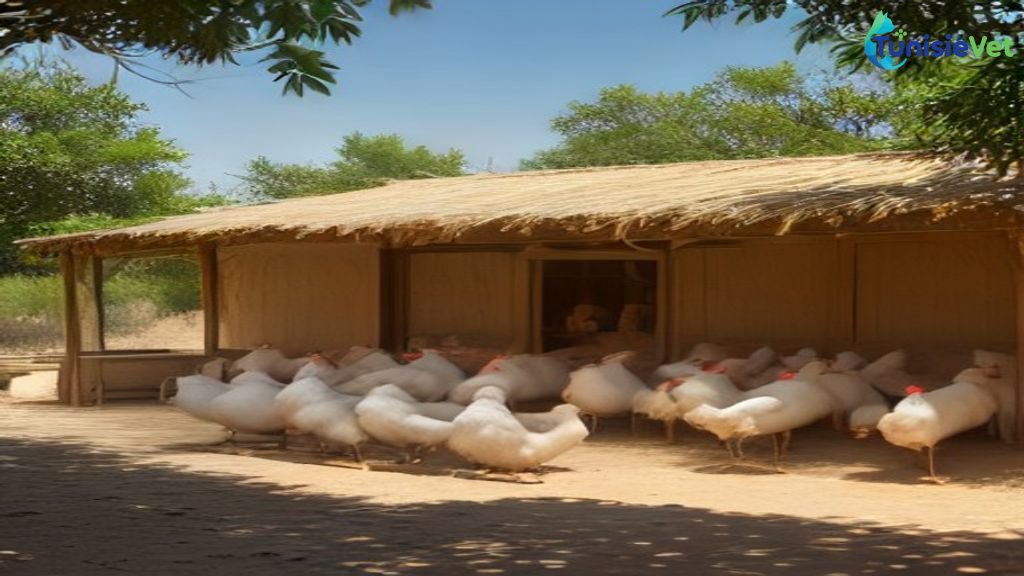
Raising poultry in hot climates calls for a specific set of practices that every small-scale farmer in the Maghreb knows well: as soon as temperatures rise and drought sets in, chickens, turkeys and ducks become vulnerable to heat stress. A poorly ventilated coop or insufficient access to water can quickly put an entire flock at risk. The good news is that with a few simple, low-cost adjustments, you can effectively protect your poultry during the hottest months of the year.
Poultry watering: the top priority during drought
Heat sharply increases poultry's water needs, since birds regulate their body temperature partly through how much they drink. Insufficient poultry watering, or water that's warm and dirty, is one of the leading causes of summer mortality.
- Set up multiple water points inside the coop and on the outdoor range to avoid competition between birds.
- Change the water several times a day: warm, stagnant water is drunk less and encourages bacterial growth.
- Place drinkers in the shade, never in direct sunlight, to keep the water from heating up.
- Clean drinkers regularly to prevent buildup or algae, especially with plastic containers left out in the sun.
- During heat waves, favor several small drinkers spread around rather than one large water point, so even lower-ranking birds can drink easily.
In areas where water is scarce, rainwater can be collected, or rinse water from utensils recycled for general farm use, while reserving the cleanest water for the birds' direct drinking supply.
Coop ventilation: fresh, dry air is essential
Good coop ventilation helps clear out the heat, humidity and gases produced by bedding and droppings, which build up faster in summer. Stagnant, overheated air significantly worsens heat stress in poultry.
- Open opposite sides of the building wide to create a cross breeze, especially early in the morning and in the evening.
- Raise the roofline or install a double-pitched roof to help hot air escape naturally upward.
- Avoid overcrowding: fewer birds per square meter means less body heat building up inside the structure.
- Use local materials like straw, reed mats or simple cloth to create open-weave walls—cheaper than solid siding and better suited to heat.
- During an intense heat wave, a simple homemade mister or a damp cloth hung near air vents can slightly cool the air through evaporation.
Shade and simple setups for poultry welfare in arid conditions
Poultry welfare in arid conditions depends heavily on the availability of shaded areas, both inside and outside the coop. Birds naturally seek out shade as soon as the temperature climbs past their comfort threshold.
- Plant or install shrubs, shade netting or palm fronds around the outdoor range to create natural cool spots.
- Build low shelters that are open on the sides, allowing air to circulate while blocking direct sunlight.
- Avoid bare metal roofing with no insulation: a layer of straw or matting on top noticeably lowers the indoor temperature.
- Provide trays of sand or loose soil in shaded spots: birds will lie in them to release heat through contact with the cool ground.
These setups, achievable with local materials and minimal resources, make a real difference for breeds like Maghreb turkeys, which are especially sensitive to heat due to their size, and for ducks raised in hot climates, which appreciate a water point or damp area to cool off during the day.
Adjusting feeding schedules during periods of intense heat
Water-efficient poultry farming suited to hot climates also relies on smart meal management. During heat waves, birds naturally eat less and prefer the cooler hours of the day.
- Feed early in the morning and late afternoon or evening, avoiding the hottest hours of the day.
- Slightly reduce midday feed if birds aren't eating much: several small, fresh meals are better than feed that dries out or heats up in the sun.
- Choose easily digestible, energy-dense feeds rather than heavy rations, which are harder to digest in intense heat.
- Always keep fresh water available before, during and after feeding, since digestion further increases water needs.
Watching the flock's behavior remains the best indicator: spread wings, panting, or prolonged stillness in the shade are signs of heat stress that should alert the farmer and prompt immediate action to boost shade and water access.
When should you call in a professional?
If, despite these measures, you notice a marked drop in egg-laying, unusual mortality or signs of illness in your flock, it's best to consult a professional quickly to rule out any heat-related complications or secondary infection. You can find a qualified practitioner through the directory of veterinarians specializing in poultry and chickens, who can assess your flock's condition and recommend solutions tailored to your local situation.
What's the best way to cool a coop without electricity?
The simplest and most cost-effective solution remains natural cross-ventilation combined with shade: open opposite walls wide, cover the roof with straw or matting, and lightly dampen the ground or hang wet cloths near air vents. These steps, combined with generous access to water, are often enough to keep poultry reasonably comfortable even during the height of a drought.
Need a professional opinion? If in doubt or in an emergency, find a veterinarian near you on TunisieVet.
Leave a comment
Be the first to comment on this article.