
Poultry Diseases: Warning Signs and Coop Prevention Tips
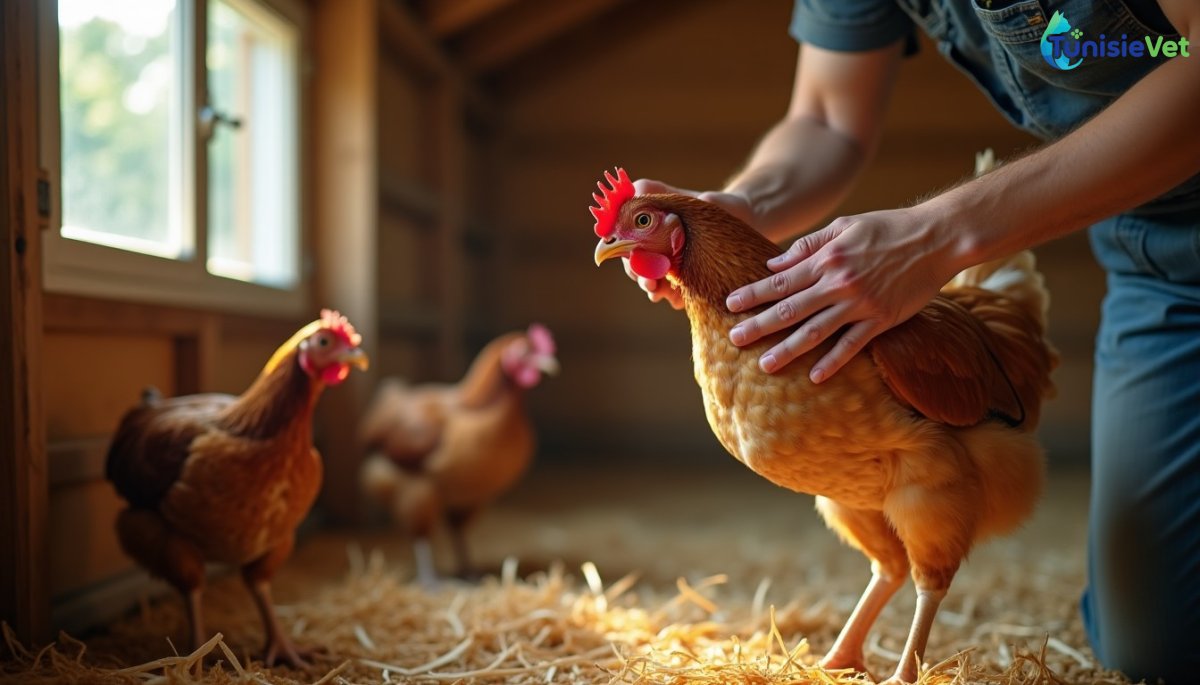
Poultry diseases are the leading cause of losses in any flock, whether you're keeping a handful of backyard hens or running a larger coop. Spotting warning signs early and following a few simple hygiene rules can prevent many health disasters. This article gives an overview of the most common conditions in poultry farming and offers practical tips to maintain good flock health day to day.
Respiratory Diseases: A Major Risk in Chicken Keeping
Respiratory problems are among the most common issues in chicken keeping, especially when coop ventilation is poor or when birds are kept too densely packed. They typically show up as:
- sneezing along with nasal or eye discharge;
- noisy breathing, sometimes with a rattling sound;
- general lethargy and reduced appetite;
- a drop in egg production in laying hens.
Stagnant humidity, cold drafts, and ammonia buildup from droppings all encourage these problems to develop and spread. A coop that's well ventilated yet shielded from direct drafts, with clean, dry bedding changed regularly, considerably lowers these risks.
Internal and External Parasites: The Hidden Enemies of Poultry
Beyond respiratory issues, parasites are extremely common in flocks. There are two main categories to watch for:
Internal Parasites
Intestinal worms gradually weaken birds, leading to dull feathers, weight loss despite a normal appetite, diarrhea, and reduced egg laying. Regular deworming, suited to the birds' age and rearing method, remains the best form of prevention.
External Parasites
Lice, fleas, and especially the red mite (a tiny parasite that hides by day in cracks around the coop and feeds on birds at night) cause itching, anemia, and chronic stress in poultry. Regularly cleaning perches, nesting boxes, and coop crevices, along with providing dust baths (sand or ash) for the hens, helps keep infestations under control.
Other Warning Signs to Watch For Daily
Beyond respiratory symptoms and parasites, keepers should stay alert to several other red flags:
- a comb or wattles that look pale, purplish, or unusually cold;
- abnormal gait, limping, or partial paralysis;
- unusual droppings (in color or consistency);
- a bird isolating itself from the rest of the flock;
- a sudden, widespread drop in egg production.
Any bird showing these signs should be separated from the flock so its condition can be monitored, reducing the risk of spreading illness to the other birds.
Best Practices for a Healthy Coop
Prevention comes down to simple but consistent habits:
- Clean and disinfect the coop at regular intervals, paying special attention to perches and nesting boxes.
- Replace bedding as soon as it becomes damp or soiled.
- Ensure good ventilation without exposing birds to direct drafts.
- Always provide clean, fresh water, changed daily.
- Offer a balanced diet suited to the birds' age and production stage.
- Avoid overcrowding, which causes stress and speeds up disease spread.
- Quarantine any new bird before introducing it to the existing flock.
- Check daily on the flock's behavior, appetite, and droppings.
These simple measures form the foundation of effective prevention and reduce the need for curative treatments, which are often more costly and demanding than good preventive hygiene.
When Should You Call a Vet for Your Poultry?
Whenever there's lingering doubt about a bird's health, or if unexplained deaths affect several birds at once, it's essential to seek professional help. An accurate diagnosis allows for the right treatment and helps prevent the spread of disease throughout the coop. You can browse the directory of vets specializing in chicken and poultry care to find a practitioner near you.
Should You Vaccinate Your Chickens Against Common Diseases?
Vaccination, when recommended by a vet based on local conditions and your rearing setup, is a useful addition to good hygiene practices. However, it never replaces sound day-to-day management of the coop, which remains the essential foundation of disease prevention.
Need a professional opinion? If in doubt or in an emergency, find a veterinarian near you on TunisieVet.
Leave a comment
Be the first to comment on this article.