Anesthesia & Pain Management: Complete Beginner's Guide

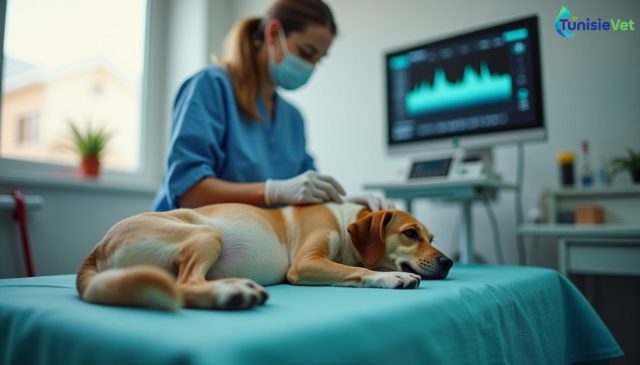
Anesthesia & pain management remain topics that worry many pet owners, often due to lack of clear information. Whether your companion needs spaying or neutering, a dental cleaning, or minor surgery, understanding the key principles of these protocols allows you to approach the procedure with confidence. This practical guide gives you the essential basics, common mistakes to avoid, and the right steps to take before, during, and after any procedure requiring anesthesia.
Anesthesia & Pain Management: Two Complementary Concepts
It's important to distinguish between these two concepts, which are often confused by the general public.
- Anesthesia involves putting the animal to sleep or numbing a specific area of the body, allowing a medical or surgical procedure to be performed without the animal moving or feeling pain during the procedure.
- Pain management refers to controlling pain before, during, and especially after the procedure, using pain relief medications adapted to the animal's species and weight.
A modern, well-conducted protocol always combines both: an animal is never anesthetized without careful consideration of post-operative pain management.
Different Types of Anesthesia
- General anesthesia: the animal is completely asleep, which is necessary for surgery, certain imaging procedures, or thorough dental work.
- Sedation: a state of deep calm, useful for short procedures or those with minimal pain (radiography, minor wound care, examination of a stressed animal).
- Local or regional anesthesia: only a specific area is numbed, often used together with sedation.
Before the Procedure: Essential Steps to Follow
Well-prepared anesthesia is safer anesthesia. Here are the essential veterinary recommendations to follow beforehand:
- Follow the pre-operative fasting instructed by your veterinarian (typically no food for several hours before, though water is often allowed until a certain time based on specific instructions).
- Report any current treatments, even simple dietary supplements, as certain interactions can affect anesthesia.
- Mention medical history: heart problems, respiratory or kidney issues, known allergies, or unusual reactions from previous anesthesia.
- Ask all your questions about how the day will proceed, risks specific to your animal (age, breed, weight), and recovery arrangements.
A health check, sometimes supplemented by blood tests, allows your veterinarian to tailor the anesthetic protocol precisely to your animal's profile, especially if it's elderly or has a chronic condition.
During Anesthesia: What Actually Happens
Contrary to a common misconception, modern anesthesia is not a fixed procedure: it is monitored continuously. The veterinary team typically observes:
- The animal's heart and breathing rate;
- Its body temperature, often maintained with warming devices;
- The depth of anesthesia, adjusted in real time based on the animal's response.
This close monitoring is a cornerstone of anesthetic safety, regardless of the animal's age or species.
After the Procedure: Managing Recovery and Pain
The recovery phase and the hours following are just as important as the procedure itself.
At Home: Common Mistakes to Avoid
- Feeding too soon: it's best to follow your veterinarian's recommendations, often starting with a small amount of light food.
- Leaving your animal unattended during the first hours after waking, when it may be disoriented or unsteady.
- Stopping pain relievers on your own initiative as soon as your animal seems "better": pain may persist beyond what the animal shows, especially in cats, known for hiding their discomfort.
- Allowing your animal to lick or chew the surgical site, which can delay healing or cause infection.
Good Post-Operative Practices
- Place the animal in a quiet, warm area away from other pets in the household;
- Strictly follow the dosage and duration of prescribed pain medication;
- Limit physical activity during the recovery period indicated by your veterinarian;
- Monitor the incision, appetite, and general behavior, and contact your veterinarian if you have any concerns.
Why Animal Pain Must Always Be Taken Seriously
Animals cannot verbally express their pain, making it sometimes difficult to detect. An animal that doesn't whimper is not necessarily an animal that isn't suffering: loss of appetite, lethargy, excessive licking of an area, postural changes, or unusual aggression are all warning signs to watch for. Proper pain management not only improves the animal's comfort but also speeds up and improves the quality of healing.
For any questions before a scheduled procedure or to establish a protocol tailored to your animal, consultation with a veterinary professional is essential. You can check our directory of veterinarians to find a practice near you and discuss your pet's anesthesia confidently.
Is Anesthesia Dangerous for My Pet?
All anesthesia carries some risk, but this is significantly reduced through appropriate pre-operative screening, continuous monitoring, and a protocol personalized based on your animal's age, breed, and health status. Discussing the procedure with your veterinarian beforehand is the best way to minimize risks and approach the procedure with full confidence.
Leave a comment
Be the first to comment on this article.

Be among the first to use our app. Sign up and get early Google Play access.
Discover