
Pet Insurance: Choosing the Right Vet Cost Coverage
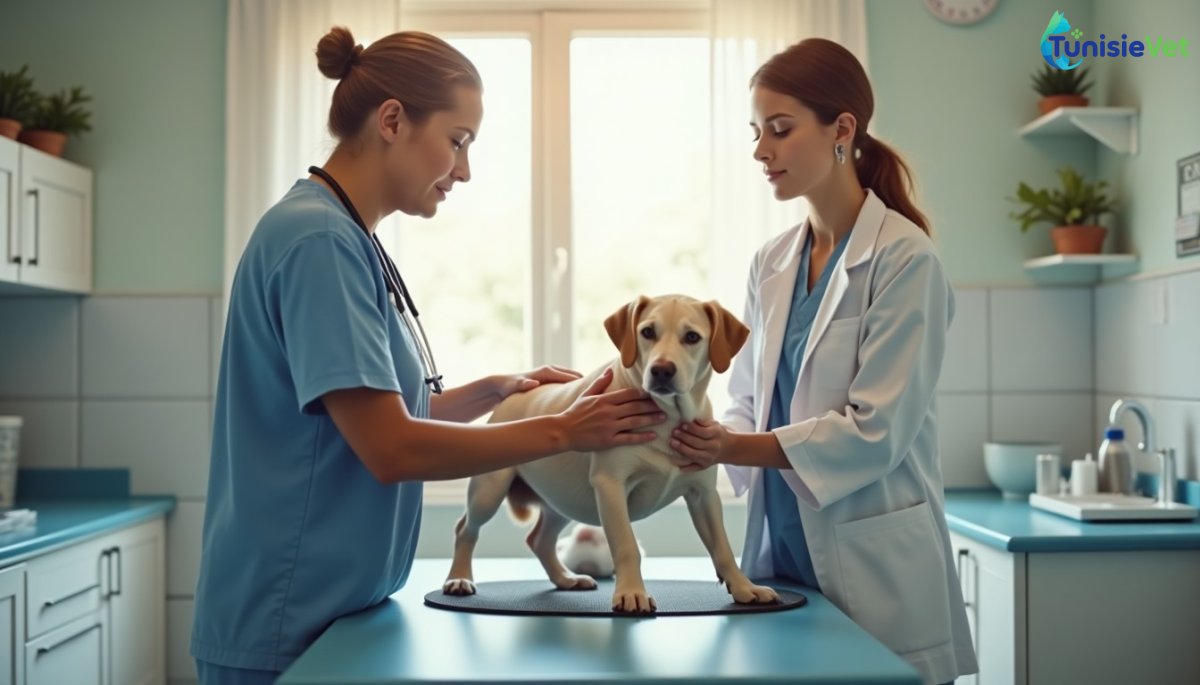
Pet insurance helps you cope with high veterinary costs without having to skip the care your companion or your herd needs. Between consultations, lab tests, surgeries and long-term treatments, animal health expenses can quickly weigh on a household budget or a farming operation. This guide breaks down the main types of coverage available, the benefits worth examining closely, and the criteria for choosing the right protection, whether you own a dog, a cat or farm animals.
Dog and Cat Insurance: How Pet Health Plans Work
A dog and cat health plan works much like human health insurance: you pay a regular premium, and when your pet needs veterinary care, part of the cost is reimbursed according to your policy. These plans are mainly designed for dog and cat owners, but some policies also cover other companion animals such as rabbits or birds.
The Coverage Levels You Should Know
- Accident-only plan: covers only costs linked to an accident (trauma, swallowing a foreign object, bites).
- Accident + illness plan: adds coverage for illnesses, often the most balanced choice for an average budget.
- Comprehensive or "premium" plan: also includes part of preventive care (vaccines, dental cleaning, spaying/neutering) and sometimes alternative treatments.
Before signing up, it's essential to check several points in the contract: the annual reimbursement cap, the percentage actually covered, the waiting period before the policy becomes active, and any exclusions related to age, breed or pre-existing conditions. A purebred dog prone to certain hereditary conditions, for example, may see those conditions excluded from the policy if they were already known at the time of signing.
Livestock Protection and Farm Insurance: A Different Approach
For small-scale farmers, livestock protection doesn't quite meet the same needs as pet health insurance. Here, the focus is often on the animal's economic value (a dairy cow, a working horse, a flock of sheep or goats) and on keeping the business running in case of loss or serious illness affecting several animals at once.
What Farm Insurance Usually Covers
- Veterinary costs linked to an illness or accident affecting an individual animal.
- The animal's death (reimbursement of a value agreed upon in advance).
- In some policies, economic losses linked to an epizootic disease affecting an entire herd.
Unlike a dog or cat health plan, these policies often require a prior assessment of the animal (age, health condition, value) and may call for regular veterinary follow-up to remain valid. Cattle, sheep or goat farmers therefore have every reason to get a health check done before signing up, in order to avoid any dispute in case of a claim.
Pet Health Coverage: How to Choose the Right Plan
Given the wide range of offers available, comparing several pet insurance quotes remains the best approach before committing. A few criteria can make the decision easier:
- The actual reimbursement rate: a high percentage advertised upfront can hide a low annual cap that severely limits real coverage in case of a major health issue.
- The waiting period: the timeframe, often a few weeks, during which no reimbursement is possible after signing up.
- Exclusions: hereditary conditions, older animals, certain breeds considered high-risk — read the terms and conditions carefully.
- The deductible: the portion of costs that always remains your responsibility, regardless of reimbursement.
- Ease of process: how easy it is to submit invoices, how quickly reimbursements are paid, and whether there's a responsive customer service team.
It's also advisable to match the level of coverage to your pet's age and lifestyle: a healthy puppy or kitten may do fine with a mid-tier plan, while an older animal or one already being treated for a chronic condition warrants broader coverage, provided it remains affordable.
How to Request a Pet Insurance Quote That Fits Your Budget
Requesting a pet insurance quote costs nothing and lets you compare rates in concrete terms based on species, breed, age and desired level of coverage. To fine-tune your choice:
- List your priorities: broad coverage with a higher premium, or a basic plan covering serious accidents only.
- Run through several scenarios (a healthy young animal vs. a senior animal) to see how the rate changes.
- Check whether the contract includes an automatic premium adjustment as the animal ages, which is common and normal.
In any case, insurance never replaces regular veterinary check-ups: an annual health check remains the best form of prevention, whether for a household pet or a farm animal. To assess your animal's real needs before choosing a plan, it's a good idea to check a directory of veterinarians to get a professional opinion on its overall health and specific risks.
Should You Insure an Older or Already Sick Animal?
Insuring an older animal is still possible in many cases, but premiums are generally higher and any already diagnosed conditions will be excluded from coverage. It's therefore best to take out insurance as early as possible, while the animal is still young and healthy, in order to benefit from more favorable terms over time.
Leave a comment
Be the first to comment on this article.