Farm Animal Identification in Tunisia: Essential Guide

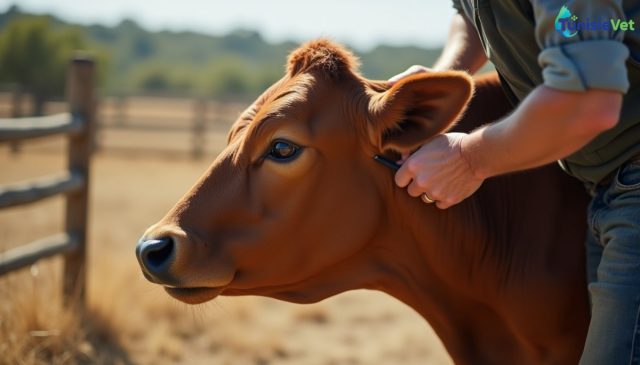
Identifying farm animals involves applying a permanent mark—such as an ear tag, tattoo, or other approved method—to each bovine, ovine, caprine, or equine to track it throughout its life. This practice, widely recommended in Tunisian livestock farming, streamlines herd management, ensures sanitary traceability, and simplifies administrative procedures with relevant authorities. This guide explains the most common methods, practical precautions suited to the local climate, and concrete benefits for farmers.
1. Why identify farm animals?
An identified animal is one you can track: its age, vaccinations, movements, and owner remain known at all times. For a farmer, this herd traceability is both a daily management tool and a health guarantee.
- Quickly recover a lost or stolen animal using its individual mark.
- Track an animal's health history (treatments, breeding, origin).
- Facilitate exchanges, sales, and transport between farms.
- Help veterinarians intervene with complete information in case of illness.
Beyond practical value, proper identification reassures buyers and demonstrates your farm's professionalism.
2. Common marking methods
Several identification techniques exist depending on the animal species, age, and resources available on the farm.
Ear tags
Ear tags remain the most widespread identification method for cattle, sheep, and goats. Applied to the ear, they display an individual number readable from a distance, simplifying visual herd checks without excessive animal handling.
Tattooing
Ear or hairless zone tattooing remains in use, especially as a backup to an ear tag, as it creates a permanent mark difficult to remove.
Hot or freeze branding
Some farmers still use visual marking on the coat, particularly for equines, to identify animals from afar in large herds or extensive pastures.
Accompanying documentation
A record book or register maintained by the farmer, noting each animal's origin, movements, and care, usefully complements the physical mark and facilitates long-term tracking.
3. Adapting marking to Tunisia's climate
The hot, dry climate for much of the year requires practical precautions when applying and maintaining animal identification marks.
- Apply ear tags early morning or late afternoon when heat is less intense, reducing animal stress.
- Regularly check the condition of ear tags, which can weaken or deteriorate under prolonged sun exposure.
- Clean the application wound and monitor for several days to prevent infections favored by heat and flies.
- Avoid handling animals during peak heat hours to minimize thermal stress during marking.
These simple steps reduce tag loss and irritation, common when marking is done without proper precautions.
4. Practical steps to identify an animal
- Choose a method suited to the animal's species and age (ear tag, tattoo, or visual mark).
- Calmly immobilize the animal using appropriate restraint for its size and temperament.
- Apply the mark at the recommended location, avoiding blood vessels and sensitive ear cartilage.
- Immediately record the assigned number in your farm's register.
- Monitor the marked area for several days to prevent infection.
It is recommended to work with a professional for initial applications to learn proper technique and avoid injuring the animal.
5. Comparison of identification methods
| Method | Species | Advantages | Points to watch |
|---|---|---|---|
| Ear tag | Cattle, sheep, goats | Quick to read, visible individual number | May tear off or wear over time |
| Tattoo | Cattle, sheep, goats, equines | Permanent mark, discreet | More difficult to read from distance |
| Visual marking on coat | Equines, cattle | Quick identification in large herds | Does not replace precise individual identification |
| Farm record book | All species | Complete history for each animal | Must be maintained consistently |
6. Health and administrative benefits of identification
Beyond the moral obligation to manage your herd properly, reliable identification delivers concrete advantages at every stage of farm operations.
- Faster diagnosis when illness occurs, as the animal's complete history is immediately available.
- Better organization of vaccination and deworming campaigns, animal by animal.
- Increased ease when selling, purchasing, or transporting between farms.
- More precise management of breeding and herd genealogy.
For questions about the best method for your farm or guidance during marking, consult veterinarians specializing in cattle, or browse the directory of veterinarians to find a professional near your farm.
Summary
- Farm animal identification improves traceability, health management, and exchanges between farms.
- Ear tags, tattoos, and visual marks remain the most common methods depending on species.
- Hot climate requires careful application and regular monitoring of marks.
- An up-to-date farm record book complements physical marking.
- Veterinary guidance is recommended for initial ear tag or tattoo application.
Frequently asked questions
At what age should young animals be identified?
Ear tag or tattoo application typically occurs shortly after birth, once the ear is sufficiently developed to support the mark. It is best to consult a veterinarian to determine the most appropriate timing for your animal species.
Can a lost ear tag be replaced?
Yes, a lost or damaged ear tag should be replaced as soon as possible to maintain continuous animal tracking. Keep a record of the original number in your register before any replacement.
How many marks should be applied per animal?
The number of marks depends on the chosen method and your farm's practices; some farmers combine ear tags and tattoos for extra security. What matters most is that each animal carries a unique, readable identification throughout its life.
Implementing rigorous farm animal identification requires some initial organization, but significantly simplifies long-term herd management. When in doubt about the best method or timing for marking your animals, consulting a veterinarian remains your best assurance of a successful, risk-free procedure.
Leave a comment
Be the first to comment on this article.

Be among the first to use our app. Sign up and get early Google Play access.
Discover