Lamb and Kid Weaning: Complete Guide From Colostrum to Independence

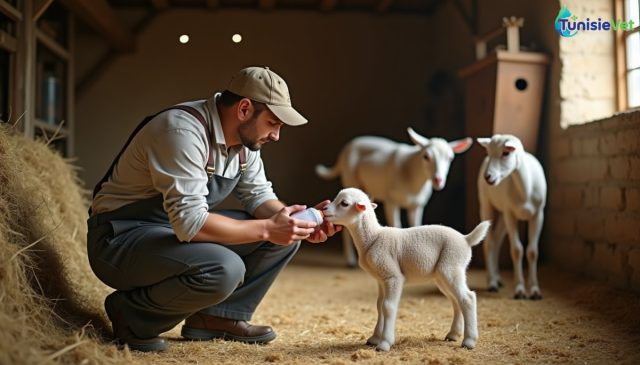
Lamb and kid weaning is a critical stage that largely determines the future growth and health resilience of young ruminants. Poor management of this transition exposes lambs and kids to diarrhea, stunted growth, and preventable economic losses. When handled correctly, it produces vigorous animals capable of efficiently utilizing forage and concentrates. This practical guide outlines the key stages from colostrum to complete feeding independence, taking into account Mediterranean climate conditions.
Colostrum for livestock: the essential foundation for growth
No weaning strategy can compensate for a poor start. Colostrum must be ingested as soon as possible after birth, since the newborn's intestinal capacity to absorb antibodies decreases very rapidly during the first hours of life.
- Ensure every lamb or kid nurses within the first few hours after birth.
- Monitor multiple births and weak offspring closely, as they face higher risk of inadequate colostrum intake.
- If colostrum intake is questionable, supplementation via tube or bottle should be considered quickly, under veterinary advice.
Adequate colostrum intake strengthens passive immunity and significantly reduces diarrhea risk during the first weeks of life.
Feeding young stock in transition: from milk to forage
The transition phase must be gradual. Abrupt dietary changes disrupt the still-immature digestive flora and promote digestive disorders.
Introduce solid feed progressively
- Offer quality, palatable, clean hay early and ad libitum in an accessible hay rack.
- Provide a starter concentrate suitable for young ruminants from the first weeks in small, replenished quantities.
- Always keep fresh, clean water available: it stimulates solid feed intake and promotes rumen development.
Reduce milk gradually without abrupt weaning
Nursing frequency or milk rations should decrease gradually over several days, ensuring solid feed and concentrate consumption increases in parallel. Weaning should occur only when the animal demonstrates sufficient and consistent solid feed consumption, rather than following a rigid schedule applied uniformly to all individuals.
Lamb and kid growth: avoiding common mistakes
Several typical errors slow lamb and kid growth and weaken young animals:
- Weaning too early, before the rumen is sufficiently developed to efficiently digest forage and concentrates.
- Abruptly changing feed type or housing at the exact moment of weaning, compounding stress factors.
- Neglecting hygiene in feed troughs, hay racks, and water points, a frequent source of digestive contamination.
- Grouping animals of very different ages and weights, promoting feed competition and social stress.
Successful weaning relies on individual observation: appetite, behavior, body condition, and fecal consistency are reliable indicators to monitor daily during this sensitive period.
Diarrhea in young ruminants: prevention and vigilance
Diarrhea in young ruminants remains one of the most frequent complications during weaning. It may result from overly rapid dietary changes, inadequate hygiene, or excessive stress.
- Introduce any new feed gradually over several days, mixed with the previous ration.
- Quickly isolate any animal showing loose stools, reduced appetite, or lethargy.
- Maintain constant hydration, especially in case of diarrhea, to prevent dehydration.
- Clean living areas regularly to limit infectious pressure.
In case of persistent diarrhea, fever, or marked depression, do not delay seeking professional help. Guidance from a veterinarian specializing in sheep or a goat veterinarian allows quick identification of the cause and appropriate treatment to limit losses.
Adapt the schedule to Mediterranean hot climate
In hot climate regions, feeding young livestock in hot climates requires some practical adjustments:
- Schedule feeding and animal observation during the coolest hours of the day.
- Refresh water multiple times daily to keep it cool and encouraging consumption.
- Ensure good ventilation and shade in living areas, as heat increases stress and can reduce appetite.
- Avoid combining weaning with other stress factors such as transport or vaccination, particularly during peak heat periods.
When to consult a veterinarian for difficult weaning
Consult a veterinarian as soon as a lamb or kid shows visible weight loss, diarrhea lasting more than one day, or prolonged refusal to eat. Quick professional advice allows feed adjustment and prevents more serious complications. For any questions about your herd's health, the veterinarian directory makes it easy to find a practitioner near you.
Leave a comment
Be the first to comment on this article.

Be among the first to use our app. Sign up and get early Google Play access.
Discover