
Feeding Horses in Hot Climate: Complete Practical Guide

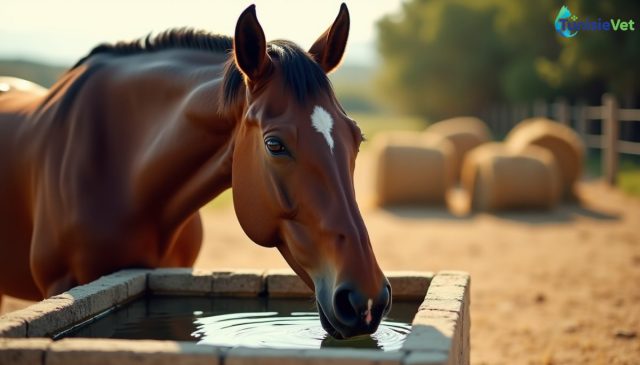
Feeding horses in hot climates requires careful attention: enhanced hydration, hay selection, and mineral supplementation must be adjusted to preserve your equine's digestive health. This practical guide details your horse's nutritional needs, common mistakes to avoid, and concrete strategies for owners and breeders to use year-round.
1. Understanding Your Horse's Nutritional Needs in Hot Weather
Horses are herbivores whose digestive system functions continuously thanks to a regular supply of fiber. In intense heat, their needs shift: they sweat more, lose electrolytes, and may reduce their appetite during the hottest hours of the day.
These physiological changes require careful attention to three core elements: water, forage, and mineral intake. Neglecting any of these increases the risk of digestive upset, muscle fatigue, or dehydration.
Nutritional needs vary by activity level
A horse at rest and a working horse have different energy and hydration requirements. Physical exertion combined with high temperatures significantly increases water and electrolyte losses, which justifies adjusting both the ration and water access accordingly.
2. Hydration: Your Top Priority in Summer
Dehydration remains one of the major risks for horses during hot periods. Constant access to clean, fresh water—not ice-cold—must be guaranteed day and night.
- Install multiple water points if your horse is turned out, to prevent long waits between animals.
- Clean troughs and buckets regularly to limit algae and bacterial growth.
- Monitor daily water intake: a sudden drop may signal a health issue or a faulty waterer.
- Offering slightly warm water can encourage some horses hesitant about cold water, even in summer.
A salt supplement (salt lick or added to the feed) helps offset sodium losses from sweating and naturally encourages your horse to drink more.
3. Hay and Forage: The Foundation of Any Ration
Hay and forage form the non-negotiable foundation of your horse's diet, regardless of outdoor temperature. Long-stem fiber ensures regular intestinal transit and reduces the risk of colic.
Selecting quality forage
- Choose clean hay with no mold or excessive dust, especially in hot climates where storage is more challenging.
- Store hay away from direct sunlight and moisture to preserve its nutritional value.
- Split feed into multiple small meals rather than one large ration, to respect your horse's natural digestive rhythm.
- Adjust forage quantity to each animal's body weight and activity level.
During very hot spells, some horses naturally eat less hay. It helps to offer forage during cooler hours—early morning or evening.
4. Minerals and Vitamins: Essential Supplements Not to Overlook
Minerals and vitamins play a crucial role in overall balance, especially when sweating increases losses of electrolytes like sodium, potassium, and magnesium.
| Element | Main Role | Signs of Possible Deficiency |
|---|---|---|
| Sodium and chloride (salt) | Fluid balance, thirst stimulation | Reduced water intake, lethargy |
| Potassium | Muscle and nerve function | Muscle weakness, fatigue |
| Magnesium | Muscle contraction, nervous calm | Nervousness, cramping |
| B and E vitamins | Energy metabolism, cell protection | Overall decline in condition |
A balanced mineral supplement, distributed with professional guidance, covers these needs without risking imbalance from excess.
5. Common Feeding Mistakes to Avoid
- Giving a hot horse ice-cold water immediately after intense exercise.
- Switching forage or grain types abruptly without gradual transition.
- Feeding a ration too high in grains without enough physical activity to compensate.
- Leaving a working horse without breaks or water access during the hottest hours.
- Neglecting shade, which limits appetite and increases heat stress.
These mistakes promote digestive problems in horses, ranging from minor discomfort to serious colic requiring immediate veterinary attention.
6. Preventing Heat-Related Digestive Issues
Heat disrupts intestinal flora and can slow transit if hydration is insufficient. Certain signs should alert you: persistent loss of appetite, bloating, abnormal droppings, or unusual restlessness.
Best practices for digestive health
- Keep feeding times consistent to stabilize transit.
- Avoid intense exercise immediately after a large meal.
- Introduce any new food gradually, over several days.
- Observe each horse's eating behavior daily to detect anomalies quickly.
If you're unsure about your horse's digestive health, contact specialized equine veterinarians promptly to rule out colic or more serious conditions.
7. Tailoring Feed by Equine Operation Profile
Feeding strategies in horse operations differ depending on whether you're managing a pleasure horse, a growing foal, a pregnant mare, or an older horse. Each profile requires adjustments in energy, protein, and mineral content.
- Growing foals need enhanced protein and mineral intake to support skeletal development.
- Pregnant or nursing mares see significantly increased energy demands.
- Older horses may require softer forage and more frequent meals.
- Regular working horses need a precise balance between available energy and fiber to avoid digestive disruption.
Individual monitoring, ideally with professional support, remains your best guarantee of balanced nutrition over time.
In Summary
- Guarantee constant access to clean, fresh water, supplemented with salt.
- Build the ration on quality hay and forage, divided into multiple small feeds.
- Monitor mineral and vitamin intake to compensate for losses from sweating.
- Introduce all dietary changes gradually to protect digestive health.
- Tailor the ration to each horse's profile (age, activity, reproductive status).
Frequently Asked Questions
How much water should a horse drink daily?
The amount varies by weight, activity, and ambient temperature, but the key is guaranteeing unlimited access to clean water. Any noticeable drop in intake should be monitored and reported to a professional.
Can you give dampened hay in hot climates?
Yes, lightly dampening hay can help horses that eat less in extreme heat or have sensitive airways. However, it must be consumed quickly to prevent unwanted fermentation.
How do you know if a horse has a digestive problem?
Common signs include loss of appetite, unusual restlessness, bloating, or changes in droppings. When you notice these symptoms, prompt veterinary consultation is advised to rule out colic.
Managing horse nutrition in hot climates is daily work rooted in observation, consistency, and gradual adjustments. When in doubt about your horse's ration or health status, support from professional veterinarians is your best approach to sustaining long-term wellbeing.
Leave a comment
Be the first to comment on this article.

TunisieVet in your pocket 📱🐾 Access your veterinary services wherever you are. [ Download the app ]
Learn more