
Vaccination Schedule for Ruminants: When to Vaccinate Goats and Sheep

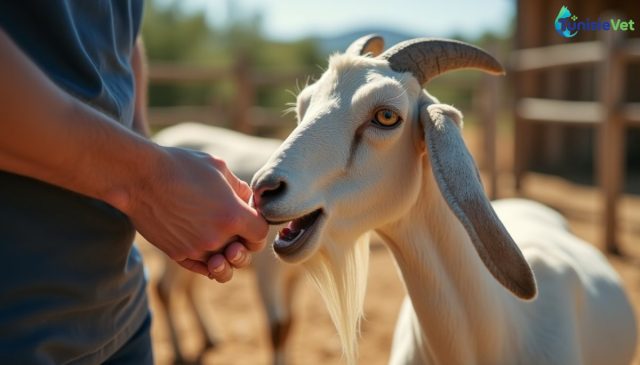
A ruminant vaccination schedule follows a straightforward logic: protecting goats, sheep and lambs before disease exposure, while accounting for seasonal variations and breeding cycles. In a hot Mediterranean climate, some boosters must be accelerated or reinforced. This practical guide details essential vaccines, key timing periods and costly mistakes that impact your livestock operation.
1. Why a Vaccination Schedule Is Essential in Hot Climates
Heat and humidity favour the survival of certain pathogens, and thermal stress weakens herd immunity. A well-designed ruminant vaccination schedule anticipates these vulnerable periods rather than reacting after symptoms appear. Vaccinating at the right time prevents economic losses far greater than the cost of injections themselves.
Small ruminants often live in tight groups, accelerating the transmission of contagious diseases. An unvaccinated goat or sheep becomes a risk to the entire herd, including already-immunised animals whose protection may be overwhelmed during high infectious pressure.
2. Essential Vaccines for Adult Goats and Sheep
Certain vaccinations form the foundation of any small ruminant operation, regardless of flock size.
- Enterotoxaemia and clostridial diseases: these conditions often progress rapidly, sometimes with no visible warning signs; vaccination remains the best prevention.
- Pasteurellosis: particularly feared during sudden temperature changes, which are frequent between hot and cool seasons.
- Foot-and-mouth disease: to be discussed based on local disease status and veterinary recommendations, as management depends heavily on regional context.
- Chlamydiosis and other infectious abortions: essential in breeding females to limit gestational losses.
The exact list of recommended vaccines varies by region, herd density and farm disease history. Consulting a professional remains the best way to tailor this vaccination baseline to your situation.
3. Vaccination of Lambs and Young Goats: Key Stages
Young animals are more vulnerable because their immune system remains immature. The vaccination schedule must account for maternal antibody protection transmitted through colostrum, which gradually declines in the first weeks of life.
First Weeks of Life
- Prioritise quality colostrum within hours of birth, before any vaccination.
- Initial injection against clostridial diseases typically given after partial decline of maternal antibody protection.
- Close monitoring of lambs and young goats from unvaccinated dams, who face higher exposure during this period.
Booster Following Primary Vaccination
A booster is almost always necessary several weeks after the first injection to solidify immunity. Skipping this step significantly reduces the effectiveness of the initial vaccine, a point often overlooked by time-pressed producers.
4. Booster Frequency Based on Local Context
Herd booster vaccination does not follow a single rhythm: it depends on vaccine type, animal age and local infectious pressure. The following table summarises general guidelines to be adapted with a veterinarian.
| Animal Category | Vaccine Type | Booster Schedule | Key Consideration |
|---|---|---|---|
| Lambs and young goats | Clostridial diseases | Primary vaccination then close booster | Respect the interval between injections |
| Breeding females | Infectious abortion | Booster before breeding season | Avoid vaccination in late-stage pregnancy |
| Adult herd | Pasteurellosis | Annual booster, often before seasonal changes | Reinforce before heat or cold peaks |
| Newly introduced animals | Complete herd protocol | Full update before integration | Quarantine isolation recommended |
5. Tailoring the Vaccination Schedule to Mediterranean Seasons
The hot climate requires practical adjustments to maintain vaccine effectiveness and animal comfort.
- Avoid vaccinating during the hottest hours of the day; prefer early morning or late afternoon.
- Strictly maintain the cold chain for vaccine transport and storage, which are particularly temperature-sensitive.
- Plan boosters before periods of intense climate stress, rather than waiting for symptoms to appear.
- Allow rest time after vaccination, without transport or rough handling of the herd.
6. Common Mistakes to Avoid
Certain practices undermine vaccination schedule effectiveness for ruminants, often without the producer realizing it immediately.
- Skipping the booster after primary vaccination, leaving young animals inadequately protected.
- Vaccinating sick or weakened animals, which may worsen their condition instead of protecting them.
- Improvising doses without following manufacturer instructions or veterinary advice.
- Neglecting record-keeping: without accurate records, you cannot know which animals were vaccinated and when.
- Storing vaccines at room temperature, which destroys their potency in a hot climate.
To establish or adjust a reliable protocol, consulting a professional via the directory of goat veterinarians or directory of sheep veterinarians is strongly recommended, depending on your herd composition.
7. Organising Effective Vaccination Tracking Without Breaking the Budget
A well-planned vaccination schedule also helps control farm costs. Grouping vaccinations by age groups, planning vaccine purchases in advance and avoiding emergency buys significantly reduces expenses.
- Keep a notebook or spreadsheet tracking each animal or group.
- Schedule boosters alongside other routine tasks, such as hoof trimming.
- Designate one responsible person on the farm to ensure protocol consistency.
In Summary
- The ruminant vaccination schedule should anticipate hot seasons rather than follow a fixed, rigid timeline.
- Lambs and young goats require primary vaccination followed by a close booster to achieve real protection.
- Maintaining the cold chain directly determines vaccine effectiveness in a Mediterranean climate.
- Record-keeping and rigorous tracking prevent costly oversights and protect your herd long-term.
- Veterinary advice remains essential to adjust the protocol to your local disease situation.
Frequently Asked Questions
How often should you vaccinate goats and sheep?
Frequency depends on the specific vaccine: some require annual boosters, others a booster before each breeding season. A professional can establish a precise schedule tailored to your herd and region.
Can very young lambs be vaccinated?
Vaccinating very young animals must account for maternal antibody protection from colostrum, which remains active during the first weeks of life. Primary vaccination typically begins after this period, followed by an essential booster.
What should you do if an animal missed a booster vaccination?
Never improvise a new protocol without veterinary advice, as the delay may require restarting from the primary vaccination. Quick consultation will determine the safest course of action.
Building a robust ruminant vaccination schedule demands rigour, but protects goats, sheep and lambs long-term without straining your farm budget. For refining this protocol based on your herd size and location, working with a veterinarian offers the best guarantee of lasting results.
Need a professional opinion? If in doubt or in an emergency, find a veterinarian near you on TunisieVet.
Leave a comment
Be the first to comment on this article.

TunisieVet in your pocket 📱🐾 Access your veterinary services wherever you are. [ Download the app ]
Learn more