Striped Hyena in Tunisia: A Protected Species to Preserve

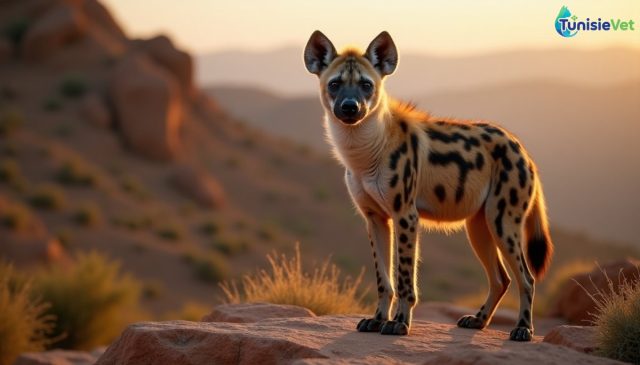
The striped hyena is a threatened wild species still found in certain mountainous and semi-arid regions of North Africa and the Middle East. Elusive, nocturnal, and often disliked due to stubborn misconceptions, it nonetheless plays an essential ecological role as a natural scavenger, helping to limit disease spread in rural ecosystems. This article provides a comprehensive overview of this protected species, the right actions to take if you encounter one, and the principles guiding rescue and reintroduction operations for injured wild animals.
Why Is the Striped Hyena a Protected Species?
In many countries within its range, the striped hyena benefits from legal protection status due to declining populations. Several factors explain this decline:
- Destruction and fragmentation of its natural habitat (mountainous areas, scrubland, steppes).
- Conflicts with human activities and livestock, sometimes leading to captures or culling.
- Poaching and illegal wildlife trade.
- Road collisions and traps intended for other species.
As a protected species, any capture, confinement, or harm inflicted on a striped hyena is regulated by wildlife legislation. Only authorized official organizations and qualified structures are permitted to intervene with an animal in distress.
What to Do If You Find an Injured Wild Animal?
Discovering an injured wild animal—whether a hyena, raptor, or any other protected mammal—requires caution. Here are the right steps to follow:
- Keep your distance. An injured wild animal remains dangerous even if weakened: it may bite or scratch out of fear.
- Never attempt to handle it alone. Stress and pain can make it unpredictable.
- Alert the relevant authorities immediately (forest services, wildlife protection, or a veterinary facility experienced with wildlife).
- Secure the area if possible, to prevent the animal from being further exposed to danger (traffic, stray dogs, curious onlookers).
- Observe from a distance and provide as much useful information as possible: exact location, the animal's behavior, type of apparent injury.
How Are Injured Wild Animals Treated?
The care of an injured wild animal generally follows several essential stages before release into the wild:
Stabilization and Clinical Assessment
A professional evaluates the animal's overall condition: hydration, wounds, possible fractures, presence of parasites. This phase determines whether a recovery period is necessary or whether rapid release is feasible.
Convalescence in an Appropriate Environment
Depending on the severity of injuries, the animal may require a rest period in a calm, secure environment adapted to its behavioral needs, away from human contact as much as possible to prevent habituation that would compromise its return to the wild.
Reintroduction to Its Natural Habitat
Release is ideally carried out in an environment matching its original territory, offering shelter, food resources, and distance from populated areas, to maximize its chances of survival and adaptation to wild life.
Coexisting with Wildlife in Rural Areas
For farmers and residents in rural areas near natural habitats, a few simple measures can reduce conflicts with wildlife:
- Secure livestock pens and farm buildings at night, when nocturnal scavengers are active.
- Avoid leaving food waste or carcasses exposed, which attract wildlife near homes.
- Report any sightings of protected animals to the relevant authorities rather than attempting individual action.
- Raise awareness in your community about the ecological value of these species, often unjustly perceived as pests.
The Veterinarian's Role in Wildlife Management
While veterinarians in typical practice mainly focus on domestic animals, some collaborate with wildlife protection organizations for examination and emergency care of wild animals. If you have any doubt about an animal's health—whether domestic or wild—it is always recommended to seek professional advice rather than act alone. For your pets, you can consult the directory of veterinarians near you to find a qualified practitioner.
Is the Striped Hyena Dangerous to Humans?
No, the striped hyena is a naturally fearful animal that avoids contact with humans whenever possible. It approaches human settlements only if attracted by waste or carcasses, and direct encounters remain rare. Like any wild animal, it can defend itself if it feels cornered or injured, which is why it is important to maintain distance and never attempt to handle it yourself.
Leave a comment
Be the first to comment on this article.

Be among the first to use our app. Sign up and get early Google Play access.
Discover