
Pig Lameness: Common Causes and Effective Prevention

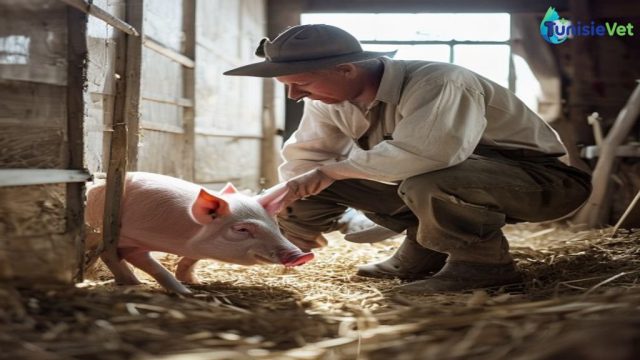
Pig lameness is one of the most common locomotor problems seen in pig farming, regardless of herd size. It directly affects animal welfare, but also farm productivity: a lame pig eats less, struggles to reach the drinker, and grows more slowly. Understanding the common causes of lameness and putting simple prevention measures in place can greatly reduce this problem before it gets worse.
Main causes of lameness in pigs
Lameness rarely has a single cause: it usually results from a combination of factors linked to the animal itself, its environment, and overall herd management.
Joint disorders
- Arthritis and joint inflammation: these mainly affect young pigs and sows, causing swelling, localized heat, and pain in the leg joints.
- Wear and degenerative lesions: in breeding animals, joint wear linked to age or high body weight often leads to chronic lameness.
- Leg malformations: some piglets are born with, or develop during growth, faulty limb conformation that predisposes them to lameness.
Abscesses and skin lesions
Abscesses on the legs, hooves, or joints are a classic cause of lameness. They often develop after a wound, puncture, or poorly healed cut that becomes infected. A pig with an abscess usually shows sudden lameness in a single limb, sometimes with visible, warm swelling.
Hoof problems
Hoof lesions (cracks, overgrowth, wounds) are very common and directly linked to flooring quality and pen hygiene. A damaged or infected hoof makes every step painful and can quickly progress to severe lameness if left untreated.
Pig housing: a key factor that's often overlooked
Pig housing conditions play a major role in either triggering or preventing lameness. Many cases originate not from disease, but from poor housing conditions.
- Slippery or overly abrasive floors: smooth flooring increases the risk of slips and sprains, while overly rough flooring wears down hooves prematurely.
- Insufficient or damp bedding: poorly maintained bedding traps moisture, weakening skin and hooves and encouraging infection.
- Overcrowded pens: too little space per animal leads to more pushing, falls, and leg injuries.
- Poorly designed slats or flooring gaps: gaps that are too wide or sharp edges can injure hooves, especially in piglets.
Preventing lameness in pigs: best practices
Lameness prevention in pigs relies above all on strict environmental management and regular herd monitoring. Here are practical measures to apply:
- Maintain flooring: repair damaged areas promptly, avoid slippery surfaces, and choose flooring suited to each category of animal.
- Manage bedding and hygiene: change bedding regularly, remove manure, and limit standing moisture in pens.
- Respect stocking density: giving each animal enough space reduces crowding and trauma.
- Inspect hooves regularly: routine visual checks help catch cracks, wounds, or overgrowth early, before they worsen.
- Isolate lame animals promptly: separating a lame pig from the group prevents further injury and makes monitoring easier.
- Provide a balanced diet: adequate mineral and vitamin intake supports bone and joint strength, particularly in breeding sows.
Lameness, fertility, and pig health: a link not to overlook
Fertility and pig health are closely tied to the mobility of breeding animals. A lame sow moves less easily to the feeding or mating area, which can affect her reproductive performance and overall body condition. Likewise, a boar suffering from chronic lameness may have a reduced mating capacity. Preventing lameness therefore also means indirectly protecting a farm's reproductive performance.
When should you call a vet about pig lameness?
If lameness persists despite corrective measures, or if it comes with fever, a large abscess, or affects several animals at once, it's best to seek professional advice. An accurate diagnosis helps rule out a more serious infectious cause and allows treatment to be adjusted accordingly. You can check the veterinarian directory to find a professional near your farm.
How can you tell if a pig is lame due to an abscess or a joint problem?
An abscess usually causes sudden lameness in a single limb, with localized, warm swelling. A joint disorder, on the other hand, tends to develop more gradually, with stiffness setting in over time. If in doubt, careful observation over several days can help identify the likely cause.
Leave a comment
Be the first to comment on this article.

TunisieVet in your pocket 📱🐾 Access your veterinary services wherever you are. [ Download the app ]
Learn more