
Cleaning Farm Animal Wounds: Essential Infection Prevention Steps

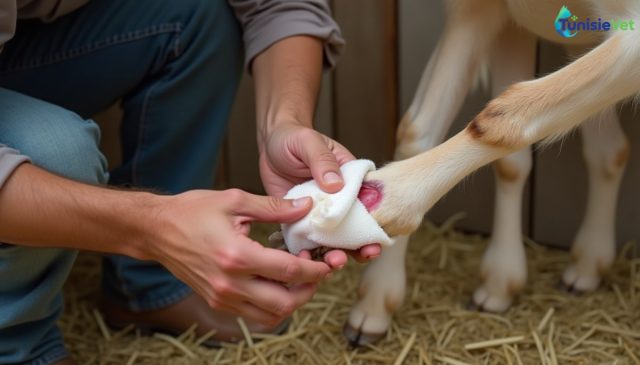
A superficial wound on a goat, sheep, or horse can quickly become infected if not treated properly. Cleaning farm animal wounds promptly after they occur, using simple techniques and minimal materials, prevents most complications. This practical guide outlines the essential steps for disinfecting, monitoring, and knowing when to call a veterinarian.
1. Assess the Wound Before Treating
Before taking any action, calmly observe the animal and the injury. This assessment determines whether basic care is sufficient or if veterinary intervention is needed.
- Restrain the animal gently to reduce stress and prevent sudden movements.
- Observe the size, depth, and location of the wound.
- Check for active bleeding, foreign objects, or severely damaged tissue.
- Note whether the animal is limping, refusing food, or appearing depressed.
A shallow, clean wound with limited extent can usually be managed on the farm. A deep wound near a joint, tendon, or one that bleeds heavily requires prompt professional evaluation.
2. Cleaning Farm Animal Wounds: The Basic Protocol
Cleaning is the most critical step in preventing livestock wound infection. It relies on accessible techniques without expensive equipment.
- Wash your hands or put on clean gloves before touching the wound.
- Gently trim or clip hair around the injury to limit contamination.
- Rinse thoroughly with clean, lukewarm water or saline solution to remove soil, dust, and debris.
- Clean the wound edges with a compress soaked in mild antiseptic, moving from the center outward.
- Gently pat dry with a clean compress, avoiding rubbing.
This basic ruminant wound treatment should be repeated once or twice daily until the wound closes, observing its progress each time.
Special Considerations for Equine Wound Disinfection
Horses and donkeys have thin skin on their limbs, frequently exposed to injury during paddock and pasture movement. Disinfecting equine wounds follows the same principle: thorough rinsing, mild antiseptic, and gentle drying without rubbing. Extra care is needed for wounds near joints or tendons, which are more fragile in this species.
3. Treating Goat and Sheep Wounds: Managing Wool and Long Hair
In sheep and goats, wool or long hair can hide a wound and trap moisture, promoting infection. Treating goat and sheep wounds requires extra vigilance.
- Clip away the area around the injury generously to allow air circulation.
- Check regularly under wool or long hair, especially after shearing or in humid weather.
- Avoid sealing the wound completely, unless advised otherwise by a veterinarian, to prevent moisture buildup.
- Watch sensitive areas prone to rubbing, such as hooves, hock joints, and around the eyes.
4. Recognizing Signs of Infection
Even with careful cleaning, a wound can develop complications. Recognizing infection signs allows you to act before the situation worsens.
| Sign Observed | Possible Meaning | Level of Concern |
|---|---|---|
| Redness and warmth around the wound | Normal inflammatory response or early infection | Close monitoring |
| Yellowish or purulent discharge | Likely bacterial infection | High, consult quickly |
| Significant swelling and pain when touched | Marked inflammation or abscess | High |
| Persistent foul odor | Dead tissue or established infection | Urgent |
| Fever, depression, loss of appetite | Possible systemic infection | Urgent |
A wound showing no improvement after a few days of care should alert you, even without all these signs.
5. Farm First Aid: Essential Materials to Keep on Hand
Building a simple farm first aid kit allows rapid response without scrambling to find supplies in an emergency.
- Sterile gauze pads and gauze bandages.
- Mild antiseptic suitable for animals.
- Saline solution or sufficient clean water.
- Single-use gloves.
- Clean scissors for trimming hair or wool.
- A healing ointment recommended by your veterinarian.
These basic supplies cover most minor wounds encountered on the farm, without significant expense.
6. When to Call a Veterinarian
Some situations go beyond first aid and require professional expertise. Don't delay this decision due to cost concerns or travel distance.
- Deep, large, or heavily bleeding wounds that don't stop with prolonged pressure.
- Foreign objects difficult to remove safely.
- Advanced infection signs: pus, strong odor, fever, depression.
- Wounds near a joint, eye, or highly mobile area.
- No improvement after several days of regular care.
In these cases, consult promptly to avoid more serious complications that will be costlier to treat later. To find a professional near your farm, the veterinary directory helps you quickly locate a practitioner experienced with livestock and equines.
Summary
- Rinse thoroughly with clean water before any disinfection, for all ruminants and equines.
- Clip hair or wool around the wound to reduce moisture and contamination.
- Monitor daily for redness, warmth, pus, or unusual odor.
- Keep a simple, accessible first aid kit on your farm.
- Contact a veterinarian as soon as signs of infection or complications appear.
Frequently Asked Questions
Can I use tap water to clean an animal wound?
Yes, clean, lukewarm tap water works perfectly for rinsing a superficial wound. The key is removing soil and debris before applying an appropriate antiseptic.
How often should I clean a ruminant wound?
Generally, cleaning once or twice daily is sufficient while the wound remains open. Frequency can be adjusted based on observed progress and veterinary advice.
Should I always cover a goat or sheep wound?
Not necessarily, since a sealed dressing can trap moisture and increase infection risk. Usually, leaving the wound exposed is better, unless a professional recommends otherwise.
Adopting these simple cleaning and monitoring techniques significantly reduces injury-related risks on the farm. When in doubt about a wound's severity, calling a veterinarian is the best way to protect your herd's health.
Leave a comment
Be the first to comment on this article.

TunisieVet in your pocket 📱🐾 Access your veterinary services wherever you are. [ Download the app ]
Learn more