
Animal Sample Collection: Methods for Reliable Results

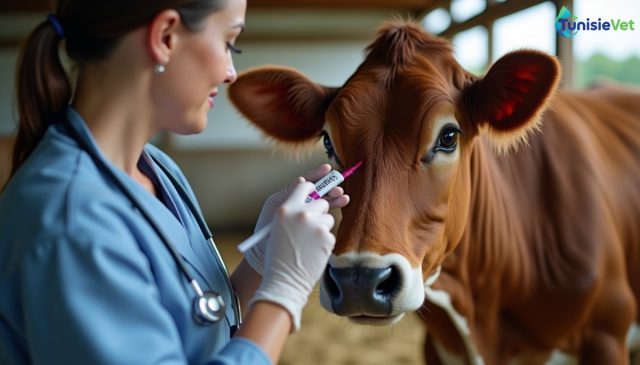
Improper animal sample collection can compromise an entire laboratory analysis, even when the procedure seems straightforward. Blood, milk, faeces, and urine each require specific collection methods and appropriate storage conditions. This practical guide outlines essential best practices for livestock farmers, pet owners, and agricultural technicians to avoid the most common errors that invalidate laboratory results.
1. Why sample quality determines the result
A laboratory can only provide accurate analysis of a representative, uncontaminated sample stored under proper conditions. Contamination, excessive time delay, or inappropriate temperature can alter the biological composition of the sample. The resulting test may then indicate a non-existent abnormality or, conversely, fail to detect a real problem.
Before any collection, it is essential to wash your hands, disinfect reusable equipment, and prepare sterile or clean containers in advance. This preparation avoids multiple trips that prolong the sample's exposure to ambient air, which is particularly problematic during hot weather.
2. Blood sampling on the farm: best practices
Blood collection remains one of the most error-prone sampling procedures in livestock settings. It should ideally be performed by a trained professional or under professional supervision, as the puncture site varies by species and improper technique can cause pain or risk to the animal.
Key steps to follow
- Restrain the animal calmly to minimise stress, which can alter certain blood parameters.
- Thoroughly disinfect the puncture site before needle insertion.
- Use the tube appropriate for the requested analysis (with or without anticoagulant depending on the parameter being tested).
- Gently invert the tube several times if it contains anticoagulant, without shaking vigorously to prevent haemolysis.
- Label the tube immediately with the animal's identity and collection date.
Haemolysis, the destruction of red blood cells, skews many biochemical results. It often occurs due to too fine a needle gauge, overly rapid collection, or rough handling of the sample tube during transport.
3. Milk analysis: preventing bacterial contamination
Veterinary milk analysis, particularly for detecting mastitis or assessing sanitary quality, requires strict hygiene during milking. Any contact with dust, faeces, or poorly cleaned milking equipment introduces bacteria that distort cell counts or bacterial culture results.
Proper milk sampling practices
- Clean and disinfect teats before sampling, then dry with a clean cloth.
- Discard the first milk streams, which typically carry more surface bacteria.
- Use a sterile, hermetically sealed bottle without touching the interior.
- Collect from each quarter separately if localised mastitis is suspected.
Milk is an ideal medium for bacterial growth and must be refrigerated immediately after collection and transported on ice to the laboratory.
4. Faeces and urine: fragile but informative samples
Faecal examination allows diagnosis of internal parasites, digestive disorders, or nutritional imbalances. Urine analysis provides information on kidney, urinary, and sometimes metabolic function. Both sample types are particularly sensitive to time and heat.
For faecal samples
- Collect a fresh sample that has just been passed, avoiding any contact with soil or soiled bedding.
- Use a clean, hermetically sealed container, never a simple perforated plastic bag.
- Collect sufficient quantity to allow multiple analyses if necessary.
For urine samples
- Prefer a sterile bottle provided by the laboratory or one that has been thoroughly cleaned.
- Collect urine from the midstream portion when possible to limit contamination from external flora.
- Avoid any contact between the container and skin, hair, or bedding.
Parasite eggs and urinary cells degrade rapidly, so the shorter the interval between collection and analysis, the more reliable the diagnosis will be.
5. Sample storage: adapting to hot climates
Laboratory sample storage depends primarily on ambient temperature. In hot climates, biological degradation accelerates significantly, requiring heightened vigilance from the moment of collection.
| Sample type | Recommended storage | Maximum time before analysis | Main risk if improperly stored |
|---|---|---|---|
| Blood (dry or anticoagulant tube) | Protected from light and direct heat, kept cool without freezing | As soon as possible after collection | Haemolysis, partial coagulation |
| Milk | Refrigerated immediately | Rapidly after milking | Bacterial proliferation |
| Faeces | Hermetically sealed container, kept cool | Rapidly after passage | Parasite destruction, fermentation |
| Urine | Sealed sterile bottle, kept cool | Rapidly after collection | Cell degradation, bacterial proliferation |
During periods of extreme heat, transporting samples in an insulated cooler with an ice pack, without direct contact between the sample and the cold source, greatly limits degradation. Freezing blood samples intended for cell count analysis should be avoided, as it destroys cells and invalidates results.
6. Common errors that invalidate laboratory results
Certain mistakes occur repeatedly and can be prevented with proper advance planning before collection.
- Lack of clear labelling, causing confusion between multiple animals in the same group.
- Use of an inappropriate or poorly cleaned container, introducing contamination.
- Excessive delay between collection and laboratory submission.
- Prolonged exposure to heat or direct sunlight during transport.
- Mixing multiple samples in a single tube or bottle.
- Failure to provide the laboratory with clinical context information about the animal.
Professional guidance remains the best guarantee of reliability, particularly for blood sampling or when multiple animals in a herd are involved. It is advisable to consult veterinarians to organise animal sample collection under proper conditions and benefit from care tailored to each species.
Summary
- Prepare equipment and wash your hands before any animal sample collection.
- Adapt the container and method depending on whether collecting blood, milk, faeces, or urine.
- Label every sample systematically with the animal's identity and collection date.
- Store on ice and transport quickly, especially in hot weather.
- Engage a professional for blood sampling or complex situations.
Frequently asked questions
How long can an animal sample be kept before laboratory analysis?
The delay should be as short as possible, ideally just a few hours, especially for blood, milk, and urine. The longer the delay, the greater the risk of biological degradation or bacterial proliferation.
Can blood or urine samples be frozen?
Freezing is not recommended for most cell count analyses, as it destroys blood or urinary cells. Some specific tests tolerate freezing, but always consult the laboratory before doing so.
How should samples be transported in hot weather?
An insulated cooler with an ice pack is recommended, with no direct contact between the ice and the sample container to prevent accidental freezing. Transport should be as rapid as possible after collection, away from direct sunlight.
Animal sample collection performed with proper technique and storage suited to hot climates remains the best guarantee of reliable diagnosis. When in doubt about collection technique or appropriate materials, guidance from an animal health professional helps avoid costly errors in time and results.
Leave a comment
Be the first to comment on this article.

TunisieVet in your pocket 📱🐾 Access your veterinary services wherever you are. [ Download the app ]
Learn more