Puppy and Kitten Vaccination: Essential Schedule Guide

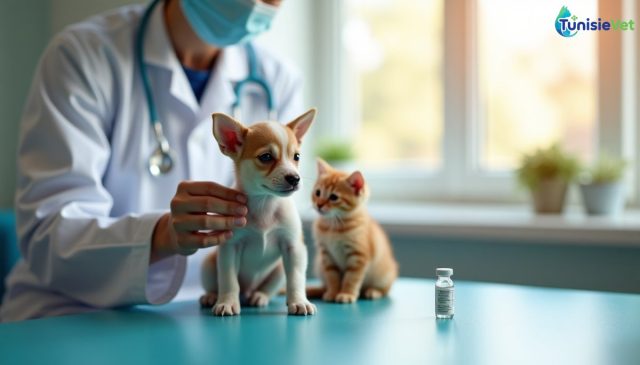
Puppy vaccination and kitten vaccination are among the most important preventive measures to give your young companion a healthy start. Facing viruses and bacteria circulating in the environment, a young animal remains vulnerable for several weeks while its immune system fully develops. Following a tailored dog and cat vaccination schedule with your veterinarian helps protect it effectively against the most serious and often contagious diseases.
Why Vaccination is Essential for Young Animals
At birth, puppies and kittens receive protection from maternal antibodies present in colostrum—that first milk rich in immune defenses. However, this natural protection gradually decreases over the first few weeks, creating a window of vulnerability when the animal is no longer fully protected by its mother but not yet capable of defending itself. This is precisely when vaccination becomes crucial: it stimulates the young animal's immune system to learn how to fight the most dangerous pathogens.
Some diseases targeted by vaccination can be severe, highly contagious, or even fatal, especially in young animals whose bodies are still fragile. This underscores the importance of starting vaccination promptly and adhering to the booster schedule recommended by your veterinarian.
Dog and Cat Vaccination Schedule: Key Stages
The exact protocol varies based on the animal's health status, lifestyle, and veterinary recommendations, but it generally follows a common multi-stage approach:
- Initial vaccination: A first injection is given to the young puppy or kitten, typically once maternal protection begins to wane.
- Booster shots: One or more booster injections follow at intervals of a few weeks to build solid immunity.
- Annual boosters: Once the initial protocol is complete, regular boosters maintain protection throughout the animal's life.
This multi-injection approach is not unnecessary: a single dose is generally insufficient to guarantee complete immunity in a young animal, as remaining maternal antibodies can interfere with the vaccine during the early weeks.
Puppy Vaccination
For dogs, vaccination primarily targets the most serious and widespread viral and bacterial diseases, affecting both indoor dogs and those spending time outdoors or in contact with other animals. Your veterinarian adapts the protocol based on your puppy's lifestyle: outdoor access, contact with other dogs, walks in rural or urban areas, and similar factors.
Kitten Vaccination
For cats, vaccination protects against frequent and highly contagious viral diseases, particularly in multi-cat households or for kittens with outdoor access. Even a cat destined to live exclusively indoors benefits from basic vaccination, as certain viruses can inadvertently be introduced into the home.
Boosters: A Step Never to Neglect
Many pet owners mistakenly believe protection is permanent after the initial injections. In reality, vaccine-induced immunity decreases over time, which is why regular boosters are necessary throughout the animal's life. Missing a booster exposes your pet to increased risk, even if properly vaccinated in its youth.
Here are some best practices to follow:
- Keep your animal's health or vaccination record up to date and present it at each veterinary visit.
- Respect booster dates rather than postponing them for convenience.
- Report any lifestyle changes (moving, new animals in the household, outdoor access) that might require adjusting the protocol.
- Use booster visits as an opportunity for a general health check-up.
Best Practices Around Vaccination
For vaccination to proceed smoothly, a few simple precautions are recommended:
- Vaccinate only an apparently healthy animal; if in doubt, inform your veterinarian before the injection.
- Avoid uncontrolled outings or contact with unfamiliar animals until the initial protocol is complete.
- Monitor your animal for a few hours after injection: mild temporary fatigue is normal, but any unusual signs should be reported to your veterinarian.
- Combine vaccination with other preventive measures, such as deworming and protection against external parasites.
To establish a personalized vaccination schedule tailored to your animal's age, breed, and lifestyle, consulting a professional is recommended. You can find a veterinarian specializing in dogs or a veterinarian specializing in cats near you to implement appropriate follow-up from the first weeks of your companion's life.
At What Age Should You Start Vaccinating Your Puppy or Kitten?
Initial vaccination typically begins once the protection transmitted by the mother starts to diminish, usually during the first few weeks of the young animal's life. Your veterinarian is best positioned to determine the ideal timing and frequency of boosters based on each puppy or kitten's individual circumstances.
Need a professional opinion? If in doubt or in an emergency, find a veterinarian near you on TunisieVet.
Leave a comment
Be the first to comment on this article.
Be among the first to use our app. Sign up and get early Google Play access.
Discover