
Veterinary Antibiotics: Using Them Responsibly and Preventing Resistance

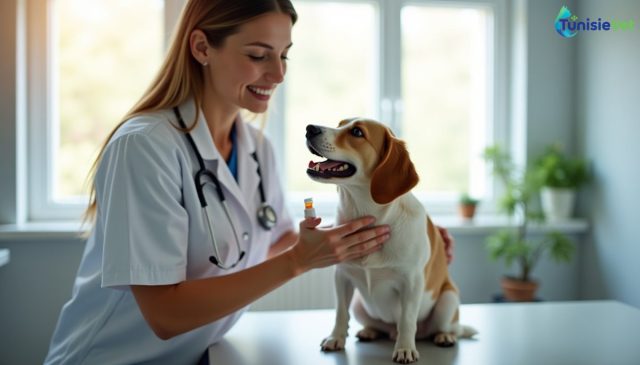
Veterinary antibiotics save the lives of companion and farm animals every single day, yet their effectiveness in the future depends entirely on how we use them today. Responsible antibiotic use in animals is not something reserved for specialists—it is a habit that every pet owner, livestock keeper, and farmer must develop to protect animal health, human health, and the long-term effectiveness of these critical medicines. This practical guide covers when antibiotics are truly needed, correct dosing, treatment duration, and the common mistakes you must avoid.
When Is an Antibiotic Really Necessary?
A frequent mistake is giving an antibiotic at the first sign of illness, when these drugs only target bacterial infections in animals. Yet many common symptoms (mild fever, cough, temporary diarrhea, nasal discharge) stem from viruses, stress, poor diet, or parasites instead. In these cases, antibiotics are pointless and do nothing to speed recovery.
- Antibiotics work only against bacteria, never against viruses.
- Only a clinical examination, sometimes backed by testing, can confirm a bacterial infection.
- A lone fever or temporary fatigue does not automatically warrant antibiotic treatment.
This is why diagnosis must always come before prescription. A veterinarian evaluates symptoms, the animal's history, and when necessary, performs additional tests before deciding whether antibiotic treatment is truly justified.
Antibiotic Dosage in Dogs and Cats: Why Getting the Dose Right Matters
Antibiotic dosing in dogs and cats depends on several precise factors: the animal's weight, type of infection, the specific drug chosen, and individual sensitivity. A dose that is too low fails to eliminate all bacteria causing the infection, which actually encourages resistant strains to develop. Conversely, overdosing exposes the animal to unnecessary side effects.
- Never reuse an antibiotic prescribed for a different animal or a different illness.
- Never adjust the dose yourself based on guesswork about the animal's size.
- Follow dosing schedules exactly to maintain effective drug concentration in the body.
- Report any other medications in use, as certain combinations can reduce antibiotic effectiveness.
If you are unsure about the dose or your pet vomits shortly after taking the medication, contact your veterinarian rather than guessing at a new dose.
Antibiotic Treatment Duration: Why You Must Never Cut It Short
The prescribed length of antibiotic treatment must be completed in full, even if your animal appears recovered after just a few days. This is one of the most widely misunderstood points: visible improvement in symptoms does not mean all bacteria have been eliminated.
- Stopping treatment too early allows the hardiest bacteria to survive and multiply again.
- An undertreated infection can return in a form that is much harder to treat.
- Keeping leftover tablets "just in case" for next time is a practice that must be avoided entirely.
If your animal experiences bothersome side effects (vomiting, diarrhea, marked loss of appetite), do not stop the treatment on your own. Instead, speak quickly with your veterinarian, who can switch to a different drug or adjust the dose.
Antibiotic Resistance in Livestock: A Collective Challenge for Cattle and Poultry
Antibiotic resistance in livestock affects large commercial herds just as much as small family operations with poultry, goats, or sheep. Every unnecessary or poorly managed use of an antibiotic increases the risk of resistant bacteria emerging—bacteria that can then spread among animals, through the environment, and sometimes to humans.
Best Practices for Antibiotic Treatment of Livestock
- Treat only the animals that are genuinely sick, not the entire group as a precaution, unless your veterinarian advises otherwise.
- Respect the withdrawal period before consuming milk, eggs, or meat, as instructed by your veterinarian.
- Isolate sick animals to limit infection spread and reduce routine antibiotic use across the whole group.
- Focus on prevention: clean housing, quality feed, vaccination when available, and reduced animal stress.
Good husbandry practices remain your strongest defense against recurring infections, far better than relying on drugs.
The Real Risks of Self-Medication
Giving an antibiotic without professional advice, reusing an old prescription, or sharing treatment among multiple animals are high-risk practices:
- Delayed diagnosis of a more serious illness hidden by inappropriate treatment.
- Selection of resistant bacteria, making future treatments less effective for the animal and those around it.
- Undetected side effects due to lack of veterinary monitoring.
Whenever you notice signs of persistent infection, fever, a wound that will not heal, or unusual behavior, your best choice is to consult qualified veterinarians near you promptly for a reliable diagnosis and treatment tailored to your animal's species, weight, and health status.
Should You Stop Antibiotics Once Your Animal Feels Better?
No: you must always complete the full prescribed course, even if symptoms disappear before the end. Stopping early risks a relapse and promotes the emergence of resistant bacteria that will be much harder to treat in the future.
Leave a comment
Be the first to comment on this article.

TunisieVet in your pocket 📱🐾 Access your veterinary services wherever you are. [ Download the app ]
Learn more