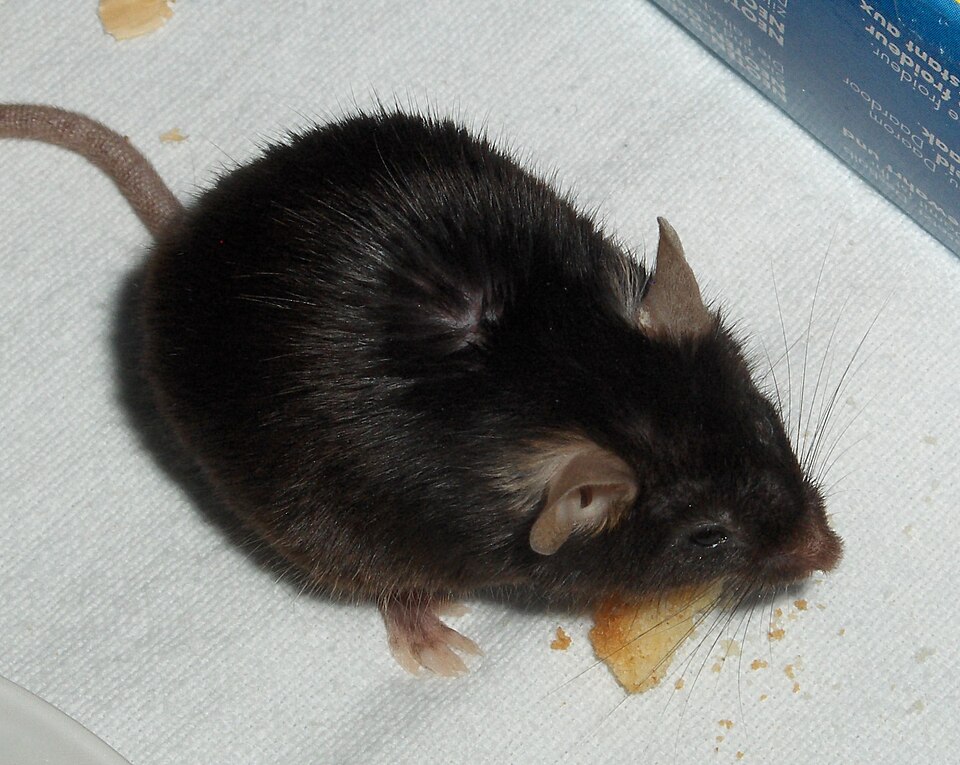
No: domestic mice (Mus musculus domesticus) do not have a particular fondness for cheese. Food preference tests show that they clearly favor seeds, grains, and sugary foods rich in carbohydrates, rather than fermented dairy products like cheese.
What preference tests reveal
Laboratory behavioral studies, where multiple foods are offered to mice simultaneously, demonstrate a marked attraction to sugar, peanut butter, chocolate, and cereal seeds. When compared to these options, cheese generally ranks second: its strong odor can even be perceived as off-putting by some individuals, since smell is the dominant sense in this species for food exploration. Physiologically, the mouse is a granivorous and opportunistic omnivorous rodent whose natural diet consists mainly of seeds, fruits, and insects, which explains this preference for quick sugars and starch.
The origin of the image of "cheese as the mouse's favorite food" is probably cultural and historical rather than biological. In traditional cellars and pantries, cheese was often one of the few foods left exposed or poorly protected, unlike grains and flours stored in sealed bags or jars. Mice came to the cheese not out of taste preference, but because it was the most accessible food, detectable by its powerful odor and easily found even from a distance.
Practical consequence for rodent control
This biological reality has a concrete implication for trapping and preventing infestations: bait made from grains, peanut butter, or chocolate is statistically more effective than a piece of cheese for attracting a domestic mouse. For sustainable management of rodent populations around homes or farms, it is better to rely on these actual preferences rather than on popular belief, and to consult a pest control professional if needed for proper assessment.