
Guinea Pig and Rabbit Adoption: Common Mistakes to Avoid

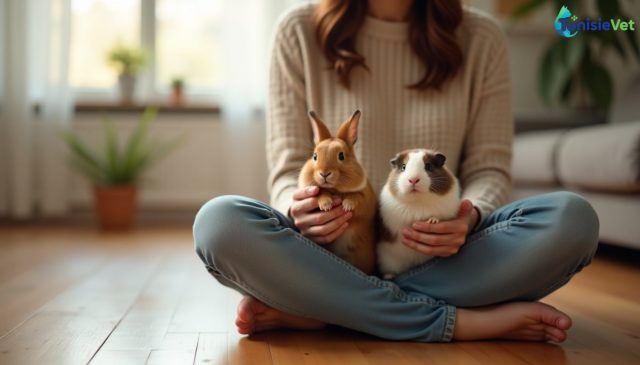
Adopting a guinea pig or rabbit requires careful preparation: these animals have specific needs for space, diet, and socialization that are often underestimated by first-time owners. This guide covers the essential selection criteria and most common adoption mistakes, helping you provide your future companion with a lasting, happy home.
1. Why proper preparation for guinea pig and rabbit adoption makes all the difference
Many families adopt a rodent or lagomorph thinking it's an "easy pet," perfect for teaching children responsibility. This misconception leads to numerous abandonments. A guinea pig or rabbit lives several years, requires generous space, specific nutrition, and daily attention. Choosing the right guinea pig or rabbit from the start prevents stress, illness from inadequate environments, and painful separations.
Adopting a small rodent requires careful planning: Do I have the time, space, and budget needed long-term? An honest answer to this question determines the entire adoption's success.
2. Choosing between a guinea pig and a rabbit: different needs
Guinea pigs and rabbits are often grouped into the same "easy pet" category, yet their needs differ significantly.
The guinea pig: a highly social animal
The guinea pig is a gregarious creature that suffers from isolation. It thrives best in pairs or small same-sex groups, with ample floor space to run and hide. It communicates through frequent squeaks and enjoys gentle, regular handling.
The rabbit: intelligent but more independent
The rabbit is curious, intelligent, capable of learning its name or using a litter box, but it can become fearful if mishandled. It needs constant access to materials for chewing, space to hop and explore, and supervised playtime outside its enclosure daily.
Neither guinea pigs nor rabbits are suitable for lifestyles where the animal stays isolated all day in a small cage without interaction.
3. Essential criteria for choosing the right animal
Whether adopting from a shelter, private owner, or rescue organization, certain criteria should guide your choice.
- Overall health status: clean, shiny coat; clear eyes; no nasal or ocular discharge; regular breathing.
- Behavior: a curious animal that approaches you or remains calm is a better sign than one cowering at the back of its cage, which often indicates stress or illness.
- Age: a young animal requires more patience for socialization, while an adult already accustomed to handling may suit less experienced families.
- Source: choose a reputable organization (shelter, rescue, transparent breeder) that can provide information about origin, actual age, and health history.
- Household compatibility: presence of other pets, young children, and available time for daily care.
4. Assessing real needs: space, diet, and socialization
Adequate space, not just a cage
Standard pet store cages are almost always too small for permanent use. Both guinea pigs and rabbits need a large enclosure, supplemented by daily supervised playtime in a secure space free of electrical cords and toxic plants.
Species-specific diet that cannot be compromised
Hay must form the foundation of their diet, available continuously, supplemented with fresh vegetables suited to the species and a small amount of species-appropriate pellets. Fresh water should be provided and changed daily. Improper diet is among the leading causes of digestive and dental problems in these animals.
Socialization: a need too often overlooked
Guinea pigs should never live alone without same-species companions, unless specifically advised otherwise. Rabbits need regular interaction with their owners or compatible companions to prevent anxiety or aggression.
| Criterion | Guinea Pig | Rabbit |
|---|---|---|
| Social needs | Gregarious, struggles alone | Sociable but can live alone with significant human interaction |
| Space requirements | Large floor-level enclosure, minimal jumping | Space to hop and run, daily playtime outside |
| Basic diet | Hay, vegetables, appropriate pellets | Unlimited hay, vegetables, species-specific pellets |
| Handling | Gentle, as animal resists sudden movements | Careful, always support the hindquarters when holding |
5. The most common adoption mistakes
- Adopting impulsively, often for a child, without anticipating daily care over several years.
- Underestimating space requirements by placing the animal in an undersized cage purchased without verifying actual dimensions suitable for the species.
- Adopting a solitary animal when the species has strong need for same-species companionship, particularly guinea pigs.
- Neglecting quarantine protocols when introducing a new animal to a home with existing pets, risking disease transmission.
- Ignoring signs of distress such as lethargy, loss of appetite, or unusual aggression, often revealing an unsuitable environment.
- Confusing standard pet store diet with actual nutritional needs, feeding too many pellets and insufficient hay.
- Failing to plan veterinary follow-up when these species often hide symptoms until an advanced stage.
Before any adoption, it's highly recommended to consult a professional to assess the animal's health and ask all your questions. You can browse the directory of vets specialized in guinea pigs or rabbit vets to find a practitioner near you.
6. Preparing for arrival: setting up for adoption success
Before bringing the animal home, prepare its living space: appropriately sized enclosure or cage, hay in sufficient quantity, a safe hiding spot for rest, and clean food and water bowls. The first few days should be calm, without excessive handling, allowing the animal to adjust to its new environment.
Also plan a veterinary check-up within days of adoption to confirm overall health and establish an ongoing care relationship from the start. This simple step significantly reduces the risk of undetected complications.
If you're still deciding between species or want to discover animals available for adoption, the adoption section lets you explore various options before committing.
In summary
- Choose an animal based on behavior, health status, and compatibility with your lifestyle.
- Provide a spacious environment and a hay-based diet, never pellets alone.
- Never adopt a guinea pig alone: it needs same-species companionship.
- Schedule a veterinary check-up soon after adoption for proper health monitoring.
- Avoid impulsive decisions: successful adoption starts with preparation before the animal arrives.
Frequently asked questions
How can I tell if a guinea pig or rabbit is healthy before adoption?
Observe its coat, which should be clean with no bald patches, as well as its eyes and nose, with no suspicious discharge. A healthy animal moves with ease, eats normally, and responds to its environment without excessive lethargy or aggression.
Should I adopt a single guinea pig without a companion?
It's not recommended, as guinea pigs are gregarious animals that suffer from prolonged isolation. If you can only adopt one individual, you'll need to compensate with significant daily human interaction and environmental enrichment.
How often should I see a vet after adopting a guinea pig or rabbit?
A first visit is recommended shortly after adoption to establish an initial health assessment. Afterward, regular check-ups combined with a consultation whenever unusual signs appear allow early detection of potential problems.
Choosing the right guinea pig or rabbit depends on serious preparation: appropriate space, consistent diet, respected socialization, and regular veterinary care. By avoiding the most common adoption mistakes, you give your new animal every chance of a long, peaceful life alongside you.
Need a professional opinion? If in doubt or in an emergency, find a veterinarian near you on TunisieVet.
Leave a comment
Be the first to comment on this article.

TunisieVet in your pocket 📱🐾 Access your veterinary services wherever you are. [ Download the app ]
Learn more