Adopting a Pet Rabbit: The Complete Beginner's Checklist

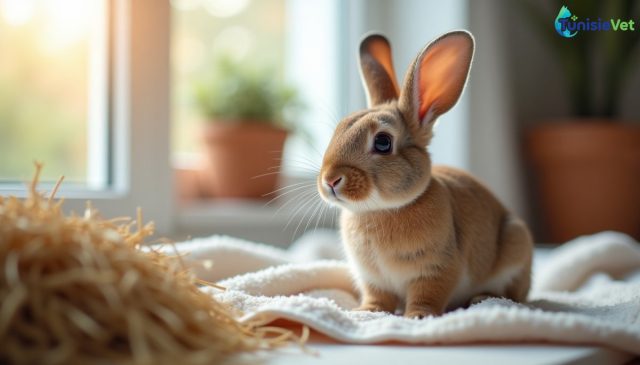
Adopting a rabbit is increasingly popular among families looking for an affectionate, quiet companion suited to smaller homes. Yet behind its reputation as a low-maintenance pet, the domestic rabbit actually has very specific needs when it comes to housing, diet and socialisation. Before falling for a pair of floppy ears, here's the complete checklist to prepare properly for your new companion's arrival and ensure its lasting well-being, even in a warm Mediterranean climate like Tunisia's.
Choosing the Right Rabbit Breed for Your Lifestyle
There are many rabbit breeds, with very different sizes, temperaments and care requirements. Before adopting a rabbit, it's essential to think about the space available at home, the time you can dedicate to daily care, and whether you have children or other pets.
Breeds Suited to Hot Climates
In a Mediterranean climate with hot summers, it's best to choose short-haired breeds rather than long-haired ones, which cope less well with heat and require more intensive coat care. A short coat also makes it easier to monitor the skin and reduces the risk of heatstroke.
Temperament and Size
Some breeds are calmer and better suited to indoor life, while others, more energetic, need more space to burn off energy. A dwarf rabbit will do well in a small flat, while a larger breed will require a more generous living space.
Setting Up a Suitable Habitat for Your Rabbit's Well-Being
Housing is one of the cornerstones of a pet rabbit's well-being. A cage that's too small or poorly set up is one of the main causes of stress, boredom and behavioural problems in this sociable, curious animal.
- Provide enough space to allow several hops and the ability to stand up fully on its hind legs.
- Always pair a covered resting area with an open, secure living space, whether indoors or outdoors.
- Only set up an outdoor enclosure if the rabbit is protected from direct sun, excessive heat and predators.
- Keep the habitat away from draughts, as well as from intense heat sources during summer.
- Provide clean bedding that is changed regularly to prevent respiratory and skin problems.
During the summer months, access to a permanent shaded spot and fresh water refreshed several times a day is essential to prevent heatstroke, as rabbits are particularly sensitive to high temperatures.
Understanding Rabbit Nutrition to Protect Its Health
A proper diet is the foundation of a pet rabbit's health and longevity. Its delicate digestive system requires a diet high in fibre and low in sugar and starch.
- Hay should be available at all times, in unlimited quantities, day and night: it's the foundation of the diet and helps wear down the teeth naturally.
- Suitable fresh vegetables should be introduced gradually to avoid digestive upset.
- Rabbit-specific pellets should remain a supplement, given in measured amounts, rather than the main food source.
- Overly sugary or starchy commercial treats should be avoided, as they contribute to weight gain and digestive imbalances.
- Fresh water must always be available, changed daily, and refreshed more often during hot weather.
Any sudden change in diet can cause serious digestive issues: every new food should be introduced gradually and in small amounts.
Socialisation, Handling and Behavioural Needs
Rabbits are social, sensitive animals that need stable routines and gentle handling to build a trusting relationship with their owner.
- Let the rabbit gradually get used to its new environment over the first few days, without rushing it.
- Avoid picking it up abruptly or holding it solely by the ears or the skin on its back, as this can injure it and cause stress.
- Offer chew toys and exploration areas to stimulate natural behaviour and prevent boredom.
- Consider getting a companion rabbit, making sure introductions are gradual and supervised, since rabbits are naturally sociable animals.
Children should be supervised during their first interactions with the rabbit, so they can learn the right handling techniques and respect the animal's pace.
Rabbit Health: Essential Steps From Day One
From the very first days after adoption, it's recommended to closely monitor the rabbit's behaviour: appetite, digestion, activity level and posture are good indicators of its overall health. Any drop in appetite or absence of droppings should be taken seriously right away, as a rabbit's digestive system can only tolerate very short delays.
Regular veterinary check-ups help catch the dental, digestive or parasitic issues most common in this species before they become serious. It's advisable to see a professional right after adoption for an initial health check, then schedule regular follow-up visits. To find a qualified practitioner near you, check out the directory of veterinarians specialised in rabbits. If you're planning to welcome your future companion through a dedicated organisation, the adoption section can also help you prepare your project under the best conditions.
How Long Does It Take for a Rabbit to Settle into a New Home?
The adjustment period varies depending on each rabbit's personality, but the first few days are usually the most delicate: the animal may seem timid, inactive, or reluctant to eat normally. A calm environment, a stable routine and gentle handling all help support a gradual, stress-free adaptation.
Need a professional opinion? If in doubt or in an emergency, find a veterinarian near you on TunisieVet.
Leave a comment
Be the first to comment on this article.