
Pet Insurance: How to Choose the Right Coverage Plan

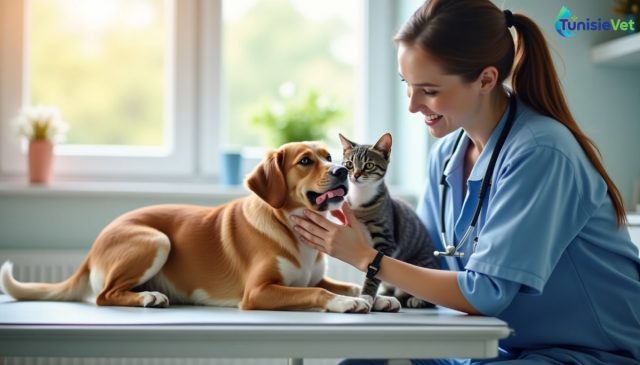
Facing unexpected veterinary costs, more and more pet owners are considering pet insurance to protect their dogs, cats, or exotic animals. But with various coverage levels, claim limits, and exclusions, it's easy to feel overwhelmed. This guide breaks down essential coverage, common pitfalls to avoid, and key criteria for confidently comparing insurance plans.
1. Why Consider Pet Insurance?
An accident or serious illness can happen to any pet at any age, without warning. A fracture, digestive surgery, or treatment for a chronic condition can represent substantial sums—often impossible to predict. Pet insurance helps you cover these expenses without having to choose between your family budget and the care your veterinarian recommends.
This type of coverage is especially useful for pet owners who want to:
- Avoid choosing between household finances and their pet's health.
- Protect breed-specific animals prone to hereditary conditions.
- Cover a young, active pet more exposed to accidents.
- Prepare for aging-related costs, such as joint or kidney diseases.
2. Essential Coverage to Verify Before Signing
Not all insurance plans are equal. Before comparing prices, you need to compare what each plan actually covers.
Basic veterinary coverage for dogs and cats
This covers all or part of consultations, diagnostic tests, hospitalizations, and surgical procedures related to accidents or illness. Check the reimbursement percentage offered and whether it applies to actual costs or a reference rate.
Annual reimbursement limit
A limit that's too low can be exhausted quickly if your pet develops a serious condition. It's better to choose a comfortable limit rather than a slightly cheaper premium that won't be sufficient when you need it most.
Deductibles
The deductible is the amount you pay out of pocket before reimbursement begins—it may be fixed, proportional, or annual. A high deductible reduces the premium but increases your bill when you file a claim.
Optional add-ons
Some plans offer preventive care (vaccines, dewormers, dental cleanings), assistance during extended hospitalization, or coverage for pet loss or theft as optional extras.
3. Insurance Coverage Features: What Sets a Good Plan Apart
Choosing the right pet insurance plan means comparing several factors beyond the advertised price.
| Criterion | What to Check | Why It Matters |
|---|---|---|
| Reimbursement rate | Percentage actually applied to your veterinary bills | Determines how much you'll pay out of pocket for expensive treatments |
| Annual limit | Maximum amount reimbursed per year | Protects you against serious or chronic conditions |
| Waiting period | Time before coverage becomes active | Prevents unwanted surprises just after enrollment |
| Exclusions | Hereditary diseases, age limits, pre-existing conditions | Some of your pet's needs may never be covered |
4. Common Pitfalls to Avoid
Underestimating the waiting period
After enrollment, a waiting period applies before coverage activates. If your pet becomes ill during this period, that condition won't be covered.
Pre-existing conditions are excluded
Any condition already diagnosed before you sign the contract is typically excluded permanently. This is why it's recommended to insure a young, healthy pet.
Age limits for enrollment or renewal
Some plans won't accept new pets beyond a certain age, or significantly reduce reimbursements for older animals.
Comfort procedures aren't covered
Elective spaying or neutering, grooming, or certain cosmetic procedures are rarely covered unless explicitly mentioned in the contract.
Skipping the fine print
The full contract document, often lengthy, contains the real limitations of your plan. It's essential to read it before signing—not just the marketing brochure.
5. How to Compare Plans Without Overpaying
Comparing multiple quotes is the best way to avoid paying for coverage you don't need. Here's a simple method:
- List your pet's real needs based on age, breed, and medical history.
- Request quotes from multiple insurers using the same information for each.
- Compare reimbursement rates, annual limits, and deductibles rather than just the premium amount.
- Check exclusions and waiting periods for each coverage option.
- Ask about cancellation terms in case you're not satisfied.
A slightly more expensive plan that's truly suited to your pet is often more economical in the long run than a basic plan with limited coverage.
6. When Should You Consult a Veterinarian Before Choosing a Plan?
Before enrolling, it's helpful to have a complete health checkup with a veterinarian so you understand your pet's predispositions. This allows you to choose a plan truly suited to your animal and avoid exclusions for undetected conditions. You can find a veterinarian near you through our directory for this preliminary checkup, or go directly to a specialist in your pet's species—for example, veterinarians for dogs or veterinarians for cats.
In Summary
- Compare reimbursement rates, annual limits, and deductibles before considering the advertised premium.
- Read exclusions carefully, especially regarding pre-existing conditions and waiting periods.
- Ideally insure a young animal to minimize exclusions due to medical history.
- Get multiple quotes to select pet insurance truly tailored to your needs.
- Have a veterinary checkup beforehand to anticipate your pet's specific needs.
Frequently Asked Questions
What's the best age to insure a dog or cat?
It's best to insure a pet as early as possible, ideally right after adoption, before any illness is diagnosed. The younger your pet, the fewer exclusions you'll face related to pre-existing conditions.
Does pet insurance cover hereditary diseases?
This depends entirely on the plan: some exclude them completely, while others cover them with specific conditions. It's essential to check this carefully before enrolling, especially for breed-prone conditions.
Can you switch pet insurance providers during your contract?
Yes, you can usually cancel a plan according to its terms, often at the annual renewal. However, be aware that a new waiting period will apply with your new insurer for any new coverage.
Choosing pet insurance requires time and careful consideration, but it's an investment that protects your companion's health long-term. Don't hesitate to ask a veterinarian's advice to refine your choice based on your pet's actual needs.
Leave a comment
Be the first to comment on this article.

TunisieVet in your pocket 📱🐾 Access your veterinary services wherever you are. [ Download the app ]
Learn more