
Taking Your Pet's Temperature: Complete Beginner's Guide

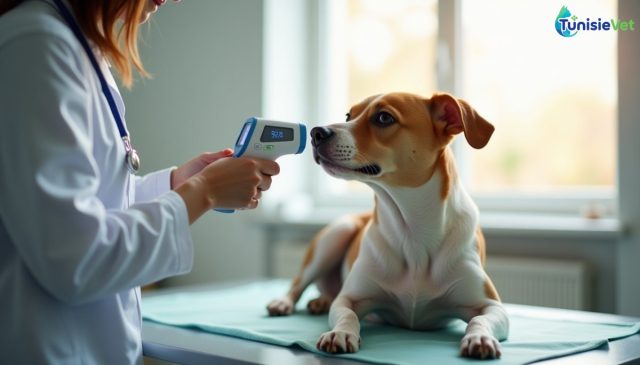
Taking your pet's temperature is one of the most useful health checks you can perform to catch problems early before they worsen. A fever, or conversely, abnormally low body temperature, often signals an infection, significant stress, or heat stroke. This practical guide explains the correct procedure, which equipment to choose, and what mistakes to avoid—essential knowledge for any pet owner or breeder just starting out.
1. Why Monitoring Temperature is an Essential Health Check
Body temperature is a valuable indicator of overall health status. In most domestic mammals, it varies by species, age, and activity level. A significant change from your animal's normal baseline can reveal infection, inflammation, poisoning, severe stress, or heat stroke.
Knowing how to measure temperature allows you to respond quickly, provide reliable information to a veterinary professional over the phone, and assess the severity of a situation before heading to an emergency appointment.
Warning signs that should alert you
- Unusual lethargy or refusal to move
- Sudden loss of appetite
- Rapid breathing or excessive panting
- Shivering, trembling, or abnormal warmth to the touch
- Abnormally hot or dry nose in dogs and cats
2. Choosing the Right Equipment for Accurate Results
The type of thermometer you use directly affects measurement accuracy. Several options are available, each with distinct advantages and limitations.
| Thermometer Type | Advantages | Limitations |
|---|---|---|
| Digital rectal thermometer | Accurate, fast, the gold standard for most animals | Requires proper animal handling |
| Ear thermometer | Quick, less stressful, ideal for anxious animals | Less precise if not positioned correctly |
| Non-contact infrared thermometer | Very fast, no physical contact, practical for livestock | Sensitive to distance and environmental factors |
For home use, a digital rectal thermometer remains the simplest and most reliable choice for beginners.
3. How to Take Your Pet's Temperature: Step-by-Step
The rectal method is most common for dogs, cats, and many poultry and farm animals. Follow these steps for best results.
- Calm the animal and hold it gently; you may need a second person to help.
- Lightly lubricate the thermometer tip.
- Raise the tail and gently insert the tip just a few centimetres.
- Keep the thermometer in place until you hear the beep or the reading stabilises.
- Remove slowly, read the result, and clean the device after each use.
Adapting the method for different animals
With small rodents or birds, rectal measurement is delicate and can be dangerous without experience—it's better to observe general behaviour and consult a professional if you have concerns. For horses, cattle, goats, or sheep, the rectal method is possible but requires appropriate handling techniques for the safety of both animal and handler.
4. Common Mistakes to Avoid
- Using a thermometer designed solely for human use without verifying its suitability for animals
- Taking the temperature immediately after exercise, transport, or significant stress, which skews results
- Failing to clean the thermometer between uses, especially when measuring multiple animals
- Forcing the thermometer in if the animal resists
- Relying on a single temperature reading without considering the animal's overall behaviour
A one-time temperature reading should always be combined with observation of other clinical signs: appetite, energy level, breathing rate, and condition of the mucous membranes.
5. What to Do Based on Your Results
A temperature slightly above your animal's normal baseline isn't always alarming, especially after exercise or hot weather. However, a markedly elevated temperature paired with lethargy, or conversely, an abnormally low temperature, warrants prompt attention.
When to consult a veterinarian immediately
- Very high temperature accompanied by shivering or breathing difficulties
- Abnormally low temperature with significant lethargy
- Associated symptoms: vomiting, diarrhoea, complete refusal to eat
- The situation shows no improvement after several hours of observation
In these cases, it's better to contact a professional promptly rather than wait and see. To find a veterinary clinic near you, check our directory of veterinarians and reach out before making an emergency trip.
Summary
- Taking your pet's temperature is a simple procedure that helps detect health problems early.
- A digital rectal thermometer remains the most reliable method for most domestic animals.
- Keeping your pet calm and maintaining clean equipment are essential for accurate readings.
- An abnormal temperature should always be paired with observation of your animal's overall behaviour.
- When in doubt or if concerning symptoms appear, contacting a professional quickly is always the safest choice.
Frequently Asked Questions
Can you take a pet's temperature without a rectal thermometer?
Yes, an ear thermometer or non-contact infrared thermometer can provide a quick estimate with less stress. However, rectal measurement remains the most accurate method if you're genuinely concerned about your pet's health.
How often should you check a sick pet's temperature?
During a monitoring period, it's reasonable to check temperature two to three times daily at regular intervals. This helps track progress and gives you accurate information to share with your veterinarian.
How long should you leave the thermometer in place for an accurate reading?
This depends on the model: a modern digital thermometer typically signals the end of measurement with a beep in just a few seconds. Simply wait for this signal before removing the device.
Learning to take your pet's temperature correctly is one of the fundamental skills every responsible pet owner and breeder should master. If your reading seems unusual or symptoms persist, professional veterinary evaluation is essential for an accurate diagnosis.
Leave a comment
Be the first to comment on this article.

TunisieVet in your pocket 📱🐾 Access your veterinary services wherever you are. [ Download the app ]
Learn more