How to Check Your Pet's Temperature: Complete Guide

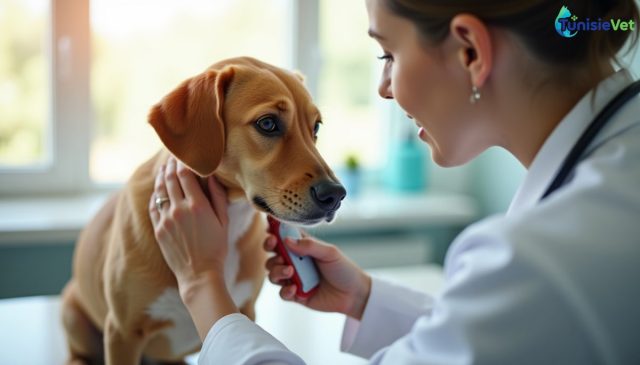
Knowing how to take your pet's temperature is one of the most practical skills any pet owner can learn, whether you have a cat, a dog, or raise poultry, sheep, or goats. An abnormal temperature is often the first warning sign of a health issue, sometimes before other symptoms even appear. Yet this simple procedure is frequently performed incorrectly, leading to inaccurate readings and delayed detection of problems. This practical guide covers the essentials, common mistakes to avoid, and the right approach for any beginner looking to master this important skill.
Why Checking Temperature Is an Essential Habit
Body temperature is a valuable indicator of an animal's overall health status. A fever (temperature above normal) often signals an infection, inflammation, or the body's response to stress or illness. Conversely, an abnormally low temperature can indicate shock, exhaustion, or a serious emergency, particularly in very young animals or weakened individuals. Learning to take your pet's temperature allows you to detect problems early, gain peace of mind or alert the right people, and provide precise information to your vet if concerns arise.
Choosing the Right Equipment for Accurate Measurements
Your choice of thermometer directly affects measurement accuracy. Here are the most common options:
- Digital thermometer: simple, affordable, and accurate, it remains the standard choice for most pet owners.
- Ear thermometer: fast and less invasive, though accuracy can vary depending on the animal's ear shape.
- Flexible veterinary thermometer: designed to minimize discomfort, it's particularly useful for nervous animals or smaller breeds.
Regardless of which model you choose, dedicate it exclusively to veterinary use (never share with a human thermometer) and clean it thoroughly before and after each use.
The Right Technique for Taking Temperature Accurately
An accurate measurement depends on a careful method and keeping your animal as calm as possible. Here are the key steps:
- Prepare your materials in advance (clean thermometer, appropriate lubricant, treats or rewards).
- Place the animal in a quiet area, holding it firmly but gently—ideally with two people if the animal is restless.
- Lightly lubricate the thermometer tip to reduce discomfort.
- Carefully insert the thermometer using the method appropriate for the species and thermometer type.
- Wait for the time specified by the manufacturer until you hear a beep or see the reading stabilize.
- Record the temperature and the time of measurement for future reference.
Staying calm and speaking softly to your animal throughout the process helps reduce stress and makes the measurement go much more smoothly.
Common Mistakes to Avoid
- Taking the temperature right after exercise, a warm bath, or sun exposure, which can temporarily distort the reading.
- Using a poorly disinfected thermometer between animals, risking germ transmission.
- Forcing a stressed or painful animal, risking injury to them or yourself.
- Interpreting a single reading without considering the animal's overall behavior (appetite, energy, breathing).
- Delaying a call to a professional when the reading is clearly abnormal, fearing you might be bothering them unnecessarily.
What to Do If Your Pet's Temperature Is Abnormal
Any temperature that falls outside the normal range for the species should never be ignored, especially if accompanied by other signs: lethargy, loss of appetite, trembling, rapid or labored breathing. In such cases, it's best to:
- Retake the measurement a few minutes later to confirm the result.
- Keep the animal calm in an environment that is neither too hot nor too cold.
- Offer fresh water, but don't force the animal to drink or eat.
- Contact a professional quickly if the temperature remains abnormal or if the animal's condition worsens.
When in doubt, it's always better to consult a professional rather than wait: a vet near you can confirm the diagnosis and recommend appropriate care without delay.
Frequently Asked Question: How Often Should I Check My Pet's Temperature?
There's no need to check a healthy animal's temperature daily. However, this becomes useful the moment you notice a change in behavior, loss of appetite, or unusual loss of energy. For breeders, more regular monitoring can be helpful during sensitive periods such as lambing, weaning, or extreme heat waves.
Leave a comment
Be the first to comment on this article.